Is Ultra-Filtered Milk Safe for People with Lactose Intolerance? A Complete Guide
By Fairlife | Published: 2026-06-20
Category: How-to Guides
Discover how ultra-filtered milk works for lactose intolerance, its low-lactose content, and why it's a safe, high-protein dairy option for sensitive stomachs.
For millions of adults worldwide, lactose intolerance turns the simple pleasure of a glass of milk into a digestive gamble. Bloating, gas, cramps, and diarrhea are just a few of the symptoms that follow when the body lacks enough lactase — the enzyme needed to break down lactose, the natural sugar in milk. But what if there were a dairy option that delivers all the creamy taste and nutritional benefits of traditional milk, but with significantly less lactose? Enter ultra-filtered milk.
Ultra-filtered milk has become a game-changer for those who love dairy but struggle with lactose. Through a specialized filtration process, this milk retains its rich protein content while removing much of the lactose. In this complete guide, we’ll explore whether ultra-filtered milk is safe for people with lactose intolerance, how it compares to traditional lactose-free products, and which specific Fairlife products can help you enjoy dairy without the discomfort.
Understanding Lactose Intolerance and Dairy Digestion
Lactose intolerance occurs when the small intestine doesn't produce enough lactase enzyme to digest lactose. The undigested lactose then moves to the colon, where gut bacteria ferment it, causing the unpleasant symptoms mentioned earlier. According to the National Institutes of Health, about 68% of the world’s population has some degree of lactose malabsorption. Severity varies greatly — some people can tolerate small amounts of lactose, while others react to even a trace.
Traditional milk contains about 12–13 grams of lactose per cup. For someone with moderate intolerance, that amount can trigger a reaction. However, low-lactose milk options, like ultra-filtered milk, reduce that load dramatically, often to 0–5 grams per serving, making it a viable alternative for many.
How Ultra-Filtered Milk Reduces Lactose
The secret behind ultra-filtered milk lies in its production. The process uses a series of fine membranes to separate milk components — water, lactose, minerals, and some vitamins are filtered out, while protein, calcium, and healthy fats are concentrated. This method naturally removes a significant portion of the lactose without adding any chemicals or enzymes. The result is a milk that is higher in protein and calcium, lower in sugar, and contains roughly 50–70% less lactose than regular milk.
For example, a standard 8-ounce glass of ultra-filtered milk typically contains only 3–6 grams of lactose, compared to 12–13 grams in conventional milk. While it’s not completely lactose-free, this reduction is often enough for people with mild to moderate lactose intolerance to enjoy without issues. For those with severe intolerance, Fairlife also offers products that are 100% lactose-free through an additional lactase enzyme step.
Fairlife Ultra-Filtered Milk: Lactose Content by Product
Fairlife’s ultra-filtered milk lineup is designed with digestive sensitivity in mind. Here’s a quick breakdown of how different Fairlife products stack up in terms of lactose:
| Product | Lactose Content (per 8 oz) | Best For |
|---|---|---|
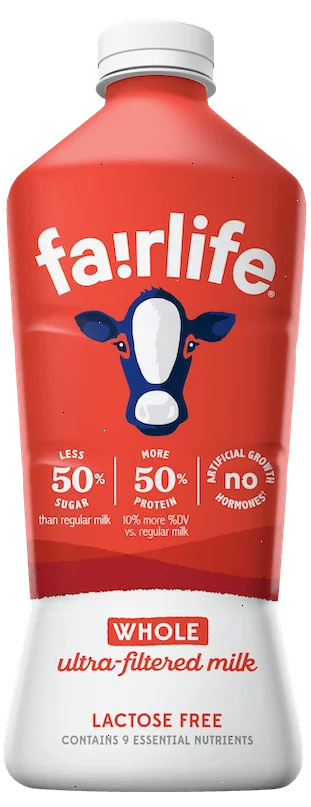
| WHOLE ULTRA-FILTERED MILK | ~3 g | Mild-to-moderate intolerance, keto, high-protein diets |
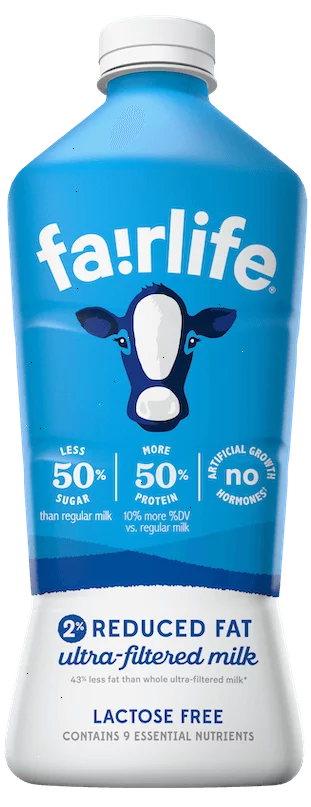
| 2% Reduced Fat Ultra-Filtered Milk | ~3 g | Everyday drinking, cooking, and cereal |
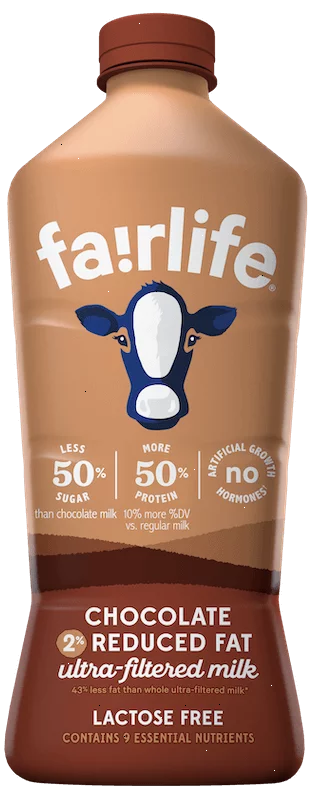
| CHOCOLATE ULTRA-FILTERED MILK | ~4 g | Post-workout recovery, dessert replacement |
| CORE POWER ELITE CHOCOLATE | 0 g (lactose-free) | Severe intolerance, high-protein needs |
| 2% REDUCED FAT 14oz ultra-filtered milk | ~3 g | On-the-go snacking |
As the table shows, most Fairlife ultra-filtered milks contain very low lactose. However, the CORE POWER ELITE CHOCOLATE shakes are fully lactose-free, making them a safe choice for even the most sensitive individuals.
Is Ultra-Filtered Milk Safe for Lactose Intolerance?
Short answer: Yes, for most people. Clinical evidence and consumer reports overwhelmingly indicate that ultra-filtered milk is well-tolerated by individuals with lactose intolerance, especially when compared to regular milk. The reduced lactose content minimizes the likelihood of digestive distress. Additionally, the higher protein and calcium content can actually support gut health by promoting satiety and providing essential nutrients that may be lacking in lactose-restricted diets.
However, it’s important to note that tolerance varies. A person with severe lactose intolerance — who reacts to even 1 gram of lactose — may still experience symptoms with ultra-filtered milk (which contains ~3 g). For those individuals, Fairlife’s 100% lactose-free options, such as the CORE POWER ELITE line, are the better bet. Always start with a small serving (e.g., 4 ounces) to gauge your personal tolerance.
What About Lactose-Free vs. Low-Lactose?
There’s a key difference between “lactose-free” and “low-lactose” products. Lactose-free milk is treated with lactase enzyme to break down all lactose into glucose and galactose, making it safe for virtually everyone. Low-lactose milk, like most ultra-filtered varieties, simply removes most of the lactose during filtration. For many with mild intolerance, low-lactose works perfectly and often tastes more like traditional milk because it retains some natural milk sugars. If you’re unsure, start with a low-lactose product like WHOLE ULTRA-FILTERED MILK and monitor how you feel.
Comparing Ultra-Filtered Milk to Other Lactose-Friendly Dairy Alternatives
The market is flooded with lactose-free options: almond milk, soy milk, oat milk, and traditional lactose-free dairy milk. Here’s how ultra-filtered milk stacks up:
- Protein: Ultra-filtered milk contains 13–15g of protein per cup — double that of regular milk and far more than almond (1g) or oat (2g).
- Calcium: Provides 30–40% of the daily value, similar to regular milk, while many plant milks are fortified and less bioavailable.
- Sugar: Naturally low in sugar because most lactose is removed; no added sugars in plain varieties.
- Taste: Creamy, rich, and similar to traditional milk — no watery texture or aftertaste.
- Digestibility: Low lactose (3–4g) or zero lactose, depending on the product.
For those who prioritize protein and bone health, ultra-filtered milk is clearly superior to plant-based alternatives. It’s also more environmentally sustainable than many nut milks, as it uses fewer water resources and generates less waste.
Tips for Incorporating Ultra-Filtered Milk into a Lactose-Intolerant Diet
- Start small: Begin with 4–6 ounces per day and gradually increase as tolerance allows.
- Pair with food: Consuming milk with other foods can slow digestion and reduce symptoms.
- Choose the right product: For severe intolerance, opt for the lactose-free CORE POWER shakes. For mild, any ultra-filtered milk works well.
- Use in recipes: Ultra-filtered milk substitutes perfectly in coffee, cereal, baking, and smoothies — no recipe adjustments needed.
- Check labels: Always verify the lactose content on the carton; some specialty products may vary.
Real-World Experiences: What Users Say
Online reviews and community forums consistently highlight the success of ultra-filtered milk for lactose intolerant individuals. One user on a dairy allergy forum wrote: “I’ve been avoiding milk for years, but Fairlife ultra-filtered milk changed everything. I can drink a full glass with zero bloating.” Another noted: “I use the chocolate ultra-filtered milk after workouts — it’s the only dairy that doesn’t make me sick, and it tastes amazing.”
These testimonials align with the science: when lactose is reduced to around 3 grams per serving, most people with lactose intolerance can tolerate it without issue.
Conclusion: A Safe, Nutritious Choice for Most
Ultra-filtered milk, particularly from Fairlife, represents a major advancement for those navigating lactose intolerance. Its low-lactose formulation delivers all the dairy goodness — protein, calcium, creaminess — without the digestive fallout. Whether you choose the versatile WHOLE ULTRA-FILTERED MILK for everyday use or the fully lactose-free CORE POWER ELITE shakes for high-intensity recovery, you can enjoy milk again with confidence.
Remember, everyone’s tolerance is different. Listen to your body, start with small portions, and you’ll likely find that ultra-filtered milk is a welcome addition to your diet. For a deep dive into the complete range of Fairlife products designed for sensitive stomachs, explore the CORE POWER ELITE CHOCOLATE — it’s 100% lactose-free and packed with 42g of protein per bottle, making it the ultimate choice for post-workout recovery without the worry.