How to Replace Whey Protein Powder with Ultra-Filtered Milk in Your Diet
By Fairlifesale | Published: 2026-06-02
Category: How-to Guides
Discover how to swap whey protein powder for ultra-filtered milk in your daily diet. Learn protein comparisons, recipe tips, and cost-saving benefits for shakes, smoothies, and more.
For years, whey protein powder has been the go-to supplement for fitness enthusiasts, dieters, and anyone looking to boost their protein intake. But what if you could achieve similar — or even better — results by simply switching to a whole food? Enter ultra-filtered milk, a game-changing dairy product that packs more protein, less sugar, and a creamier texture than traditional milk, all without the need for powders, scoops, or shaker bottles. Whether you're tired of chalky shakes, looking to simplify your grocery list, or wanting to cut down on processed supplements, ultra-filtered milk can seamlessly replace whey protein powder in many aspects of your diet. In this comprehensive guide, we'll explore how to make the switch, what to expect nutritionally, and practical ways to incorporate ultra-filtered milk into your daily routine.
Why Consider Replacing Whey Protein Powder?
Whey protein powder is undeniably convenient, but it comes with drawbacks. Many brands contain artificial sweeteners, fillers, and additives that can upset digestion. Plus, the cost per serving adds up quickly — a high-quality whey isolate can cost $1.50–$2.00 per scoop. Ultra-filtered milk, on the other hand, is a minimally processed whole food. It undergoes a filtration process that concentrates protein and calcium while removing most of the lactose, resulting in a milk that's naturally high in protein — often 13 grams per 8-ounce serving — with a clean, delicious taste. For those looking to simplify their nutrition, swapping whey powder for ultra-filtered milk means one less supplement to buy, one less step in your morning routine, and a more satiating beverage that can stand alone or blend into recipes.
Nutritional Comparison: Whey Protein Powder vs. Ultra-Filtered Milk
To truly understand the substitution, let's break down the numbers. A typical scoop of whey protein powder (30 grams) provides about 25 grams of protein, 1–2 grams of carbs, and 100–120 calories. In contrast, an 8-ounce glass of ultra-filtered milk delivers 13 grams of protein, 6 grams of carbs (mostly from lactose), and 80–150 calories depending on the fat content. While you need about two cups of ultra-filtered milk to match the protein of one scoop of whey powder, you also gain calcium, vitamin D, potassium, and B vitamins — nutrients not found in most protein powders. Plus, the protein in ultra-filtered milk is a complete source, containing all essential amino acids just like whey, but with a slower digestion rate due to the casein content, which can keep you fuller longer.
| Nutrient | Whey Protein Powder (1 scoop, 30g) | Ultra-Filtered Milk (8 oz) |
|---|---|---|
| Protein | 25 g | 13 g |
| Calories | 110 | 80–150 |
| Carbohydrates | 1–2 g | 6 g |
| Calcium | 0–50 mg | 380 mg |
| Vitamin D | 0 IU | 100 IU |
How to Use Ultra-Filtered Milk as a Whey Protein Substitute
1. Post-Workout Shakes: Simpler, Creamier, and Nutrient-Dense
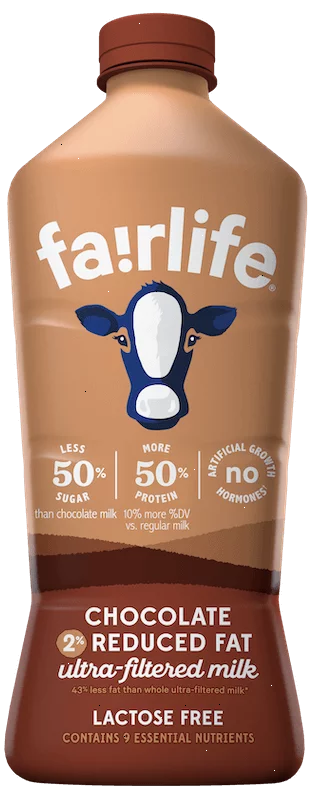
Instead of mixing whey powder with water or regular milk, try blending 16 ounces (2 cups) of CHOCOLATE 14oz ultra-filtered milk with a handful of ice and half a banana. This gives you 26 grams of protein — nearly identical to a whey shake — plus natural sugars for quick replenishment, no artificial aftertaste, and a rich chocolate flavor. The ultra-filtered milk's creamy texture eliminates the need for thickeners, and the added calcium supports bone health, which is especially important for athletes.
2. Smoothie Bowls and Breakfast Recipes
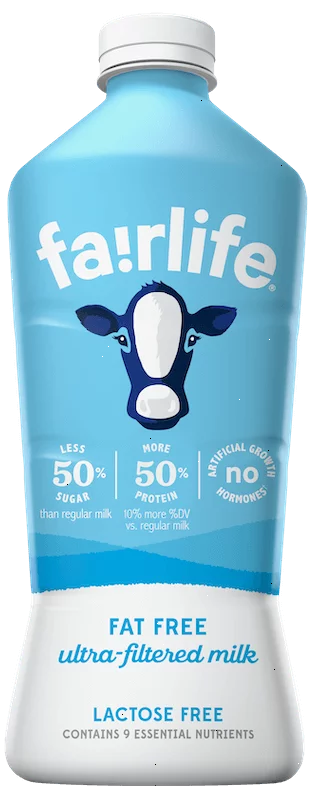
Whey protein is often added to smoothie bowls to boost protein content. Replace it by using ultra-filtered milk as the liquid base. For a high-protein bowl, blend 1 cup of FAT FREE ULTRA-FILTERED MILK with frozen berries, a scoop of chia seeds, and a quarter of an avocado. The result is a thick, creamy bowl with about 18 grams of protein per serving — no powder needed. The fat-free option keeps calories low while still delivering protein and calcium, making it ideal for weight-conscious individuals.
3. Baking and Cooking: High-Protein Staples
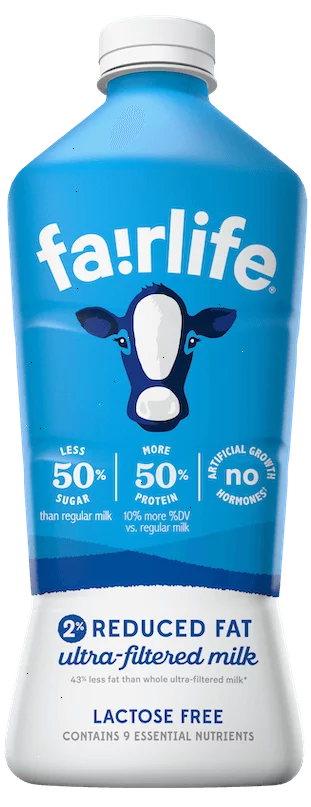
Whey protein powder is often used in baking to increase protein content, but it can make baked goods dry or rubbery. Ultra-filtered milk, on the other hand, adds moisture and tenderness. Replace the water or regular milk in pancake, muffin, or bread recipes with ultra-filtered milk. For example, in a pancake recipe calling for 1 cup of milk, use 1 cup of 2% REDUCED FAT 14oz ultra-filtered milk — this adds 13 grams of protein per batch without altering the texture. You can also use it in savory dishes like creamy soups, mac and cheese, or mashed potatoes to boost protein naturally.
4. Coffee Creamers and Lattes
Many people add whey protein to their morning coffee, but it often clumps or curdles. Ultra-filtered milk steams beautifully and blends seamlessly. Use it as a high-protein creamer in your latte or cappuccino. The STRAWBERRY FAT 14oz ultra-filtered milk is a fun, flavored option that adds protein and a hint of sweetness without extra sugar. Simply pour 4 ounces into your coffee for a 6.5-gram protein boost — no scooping required.
Cost-Effectiveness: Is Ultra-Filtered Milk Cheaper Than Whey?
At first glance, whey protein powder appears more cost-effective per gram of protein. However, when you factor in the additional nutritional benefits (calcium, vitamin D, no artificial ingredients) and the fact that ultra-filtered milk can replace multiple products (protein powder, milk, creamer, and even yogurt in some recipes), the value becomes clear. A half-gallon of ultra-filtered milk costs around $4–$6 and provides approximately 48 grams of protein per quart. For the same protein amount from whey powder, you'd spend about $2–$3 on powder alone, but you'd miss out on the other nutrients. Plus, ultra-filtered milk is a versatile whole food that can be used in meals beyond shakes, reducing overall grocery waste.
Tips for a Smooth Transition
- Start gradually: Replace one whey shake per day with two cups of ultra-filtered milk. Your stomach may need a few days to adjust to the extra lactose (though much less than regular milk).
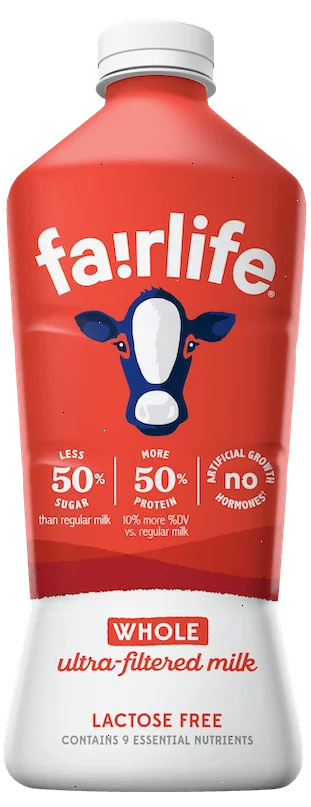
- Experiment with flavors: Ultra-filtered milk comes in chocolate, strawberry, vanilla, and plain varieties. Try different ones to keep your taste buds engaged.
- Use a blender: While ultra-filtered milk is delicious on its own, blending it with fruit or ice creates a thicker, shake-like consistency that mimics whey shakes.
- Monitor your protein goals: If you need 30+ grams per meal, consider combining ultra-filtered milk with a small amount of whey powder or adding nuts, seeds, or Greek yogurt.
Frequently Asked Questions
Can I use ultra-filtered milk for all my protein needs?
Yes, for most people, ultra-filtered milk can serve as the primary protein source in shakes and meals. However, if you're a professional athlete or have very high protein requirements (120g+ per day), you may still need supplemental protein. In that case, ultra-filtered milk can reduce the amount of powder you need.
Is ultra-filtered milk suitable for lactose intolerance?
Ultra-filtered milk removes about 99% of lactose, making it suitable for many people with lactose intolerance. However, if you are severely sensitive, start with a small amount and see how you feel.
Does ultra-filtered milk taste like regular milk?
Yes, it tastes like creamy, fresh milk — often creamier than regular milk due to the higher protein content. Flavored versions like chocolate and strawberry are sweet but not overly sugary.
Conclusion: A Simple, Whole-Food Swap
Replacing whey protein powder with ultra-filtered milk is a smart, nutrient-dense move for anyone looking to simplify their diet without sacrificing protein. You gain calcium, vitamins, and a natural food source that supports muscle repair, satiety, and overall health. Whether you're blending a post-workout shake, baking high-protein pancakes, or just enjoying a glass with breakfast, ultra-filtered milk proves that sometimes the best supplement is the one that comes from a cow, not a factory.
Ready to make the switch? Start with CHOCOLATE 14oz ultra-filtered milk — it's the perfect base for your new protein routine. Try it today and taste the difference a whole food can make.