The Ultimate Guide to Ultra-Filtered Milk: What It Is and How It's Made
By Fairlife | Published: 2026-06-20
Category: Product Reviews
Discover the science behind ultra-filtered milk: its cold filtration process, higher protein content, and how it compares to traditional milk. A complete guide for health-conscious consumers.
If you've browsed the dairy aisle recently, you've likely noticed a growing category of milk labeled "ultra-filtered." Brands like Fairlife have made this product a staple for fitness enthusiasts, families, and anyone seeking more protein with less sugar. But what exactly is ultra-filtered milk, and how is it made? In this comprehensive guide, we'll break down the cold filtration process, the nutritional advantages, and why this milk is revolutionizing the dairy industry.
What Is Ultra-Filtered Milk?
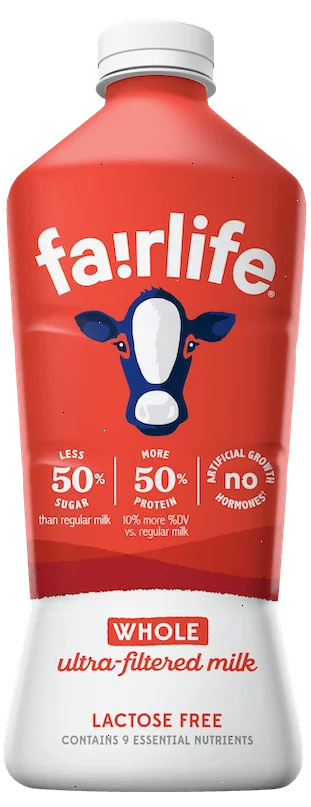
Ultra-filtered milk is a type of dairy milk that undergoes an additional filtration process to concentrate protein and remove lactose and water. The result is a milk that contains roughly twice the protein of regular milk, about half the sugar, and a creamier texture—all without any artificial additives. It's often confused with lactose-free milk, but the key difference is that ultra-filtered milk is specifically engineered to be higher in protein and lower in sugar, making it ideal for those managing blood sugar, building muscle, or simply looking for a more nutritious dairy option.
How Is Ultra-Filtered Milk Made? The Cold Filtration Process
The magic of ultra-filtered milk lies in its production method, known as cold microfiltration. Here's a step-by-step breakdown:
- Pasteurization: Fresh milk is first pasteurized to kill harmful bacteria.
- Cold Filtration: The milk is passed through a series of fine membranes at cold temperatures. These membranes act like a sieve, separating the milk into different components based on molecule size.
- Separation: The filtration retains larger protein and fat molecules while allowing smaller lactose (sugar) molecules and water to pass through. This step removes about 99% of the lactose and concentrates the protein.
- Blending: The filtered protein-rich liquid is then recombined with specific amounts of fat (to achieve desired percentages like 2% or whole) and key nutrients such as calcium and vitamin D are added back.
- Homogenization and Packaging: The final product is homogenized for a smooth texture and then packaged for freshness.
This process preserves the natural goodness of milk without using heat, which helps maintain the delicate flavor and nutritional profile. The result is a milk that tastes fresher and cleaner than many traditional options.
What Makes Ultra-Filtered Milk Different from Regular Milk?
| Feature | Regular Milk | Ultra-Filtered Milk (e.g., Fairlife) |
|---|---|---|
| Protein (per 8 oz) | 8 grams | 13 grams |
| Sugar (lactose) | 12 grams | 6 grams |
| Calcium | ~30% DV | ~50% DV |
| Lactose | Present | 99% removed |
| Taste | Standard milk flavor | Creamier, slightly sweeter |
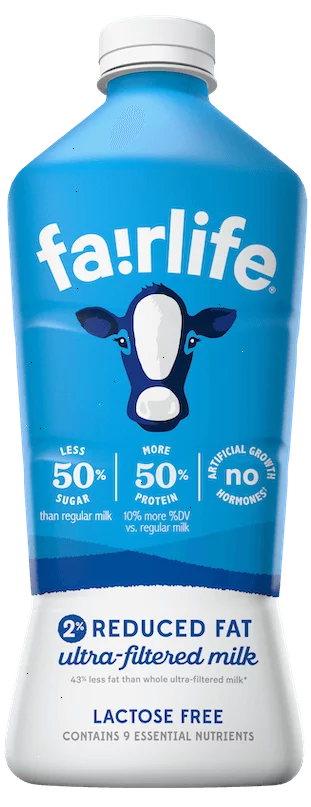
As the table shows, ultra-filtered milk delivers a significant nutritional upgrade. For example, a serving of 2% Reduced Fat Ultra-Filtered Milk provides 13 grams of protein—nearly 60% more than regular 2% milk—while having only 6 grams of sugar. This makes it an excellent choice for anyone on a low-carb or high-protein diet.
Nutritional Benefits of Ultra-Filtered Milk
1. High Protein Content
Protein is essential for muscle repair, satiety, and metabolic health. Ultra-filtered milk's protein content rivals that of many protein shakes, making it a convenient post-workout recovery drink. For a portable option, try CORE POWER ELITE STRAWBERRY, which packs 42 grams of protein in a single bottle—perfect for athletes or busy professionals.
2. Lower Sugar and Lactose-Free
Because the cold filtration removes most of the lactose, ultra-filtered milk is naturally lower in sugar. This is a game-changer for people with lactose intolerance or those monitoring their sugar intake. You can enjoy the creamy taste of milk without the digestive discomfort or blood sugar spikes.
3. Rich in Calcium and Vitamin D
Ultra-filtered milk is fortified with calcium and vitamin D, essential for bone health. Unlike some plant-based milks, dairy-based ultra-filtered milk provides highly absorbable calcium naturally.
Who Should Drink Ultra-Filtered Milk?
This milk isn't just for gym-goers. Here are a few groups who benefit most:
- Athletes and Active Individuals: The high protein aids muscle recovery and provides sustained energy.
- People with Lactose Intolerance: With 99% of lactose removed, it's gentle on the stomach.
- Keto and Low-Carb Dieters: Lower sugar makes it ideal for maintaining ketosis.
- Parents and Families: Kids get more protein and fewer empty calories in their cereal or smoothies.
- Seniors: High calcium and protein help maintain bone density and muscle mass.
How to Incorporate Ultra-Filtered Milk into Your Diet
Ultra-filtered milk is incredibly versatile. Use it in your morning coffee for a creamier latte, blend it into smoothies for an extra protein boost, or simply drink it chilled. It also works well in cooking and baking, though its lower sugar content may require slight adjustments in sweetened recipes.
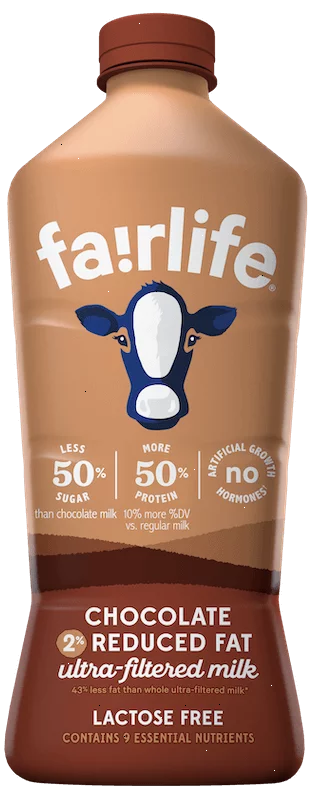
For a delicious and nutritious snack, try CHOCOLATE ULTRA-FILTERED MILK. It tastes like a treat but delivers 13 grams of protein per serving with only 6 grams of sugar—a far healthier choice than conventional chocolate milk.
Frequently Asked Questions
Is ultra-filtered milk real milk?
Yes. It's made from 100% real cow's milk. The only difference is the filtration process, which concentrates the protein and removes lactose. No artificial ingredients are added.
Does ultra-filtered milk taste different?
Many people find it tastes creamier and slightly sweeter than regular milk, despite having less sugar. The lack of lactose allows the natural sweetness of the milk to shine through.
Can I use ultra-filtered milk in recipes?
Absolutely. It can be used as a 1:1 replacement for regular milk in most recipes. However, because it has less sugar, you may need to add a sweetener if the recipe relies on milk's natural sugar for sweetness.
How long does ultra-filtered milk last?
Thanks to the ultra-pasteurization process, ultra-filtered milk typically has a longer shelf life—up to 60 days unopened when refrigerated. Once opened, it should be consumed within 7–10 days.
Why Choose Fairlife Ultra-Filtered Milk?
Fairlife has become a leading name in ultra-filtered milk because of its commitment to quality and innovation. Their milk comes from cows not treated with artificial growth hormones (rbST), and the entire process is designed to maximize nutrition while minimizing waste. Whether you're looking for a post-workout recovery drink or a healthier milk for your family, Fairlife offers a range of options to suit every need.
Ready to experience the difference? Explore our selection of 2% Reduced Fat Ultra-Filtered Milk and discover how it can transform your daily nutrition. From breakfast to bedtime, this milk is a simple switch that delivers big benefits.