Ultra-Filtered Milk vs. Soy Milk: Protein, Taste, and Allergen Comparison for 2025
By Fairlife | Published: 2026-06-18
Category: Product Reviews
In-depth comparison of ultra-filtered milk and soy milk: protein content, taste, allergens, and nutrition. Discover which high-protein milk alternative fits your diet best.
With the rise of high-protein diets and increasing awareness of lactose intolerance, more consumers are comparing dairy-based ultra-filtered milk to plant-based soy milk. Both options offer distinct benefits, but which one truly delivers on protein, taste, and allergen safety? In this comprehensive guide, we break down the key differences between ultra-filtered milk and soy milk, helping you make an informed choice for your daily nutrition. Whether you’re a fitness enthusiast, a lactose-sensitive individual, or simply looking for a delicious milk alternative, understanding the science behind these two popular beverages is essential.
What Is Ultra-Filtered Milk?
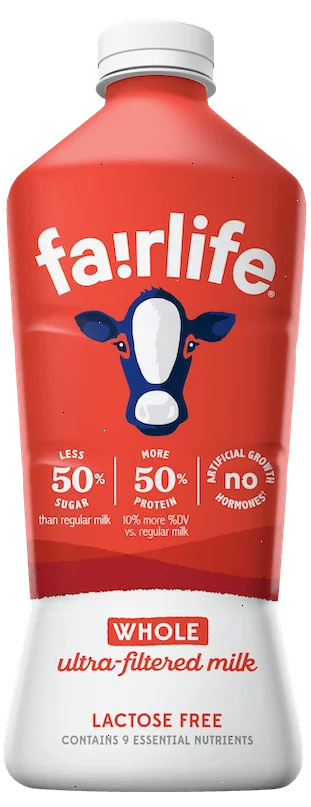
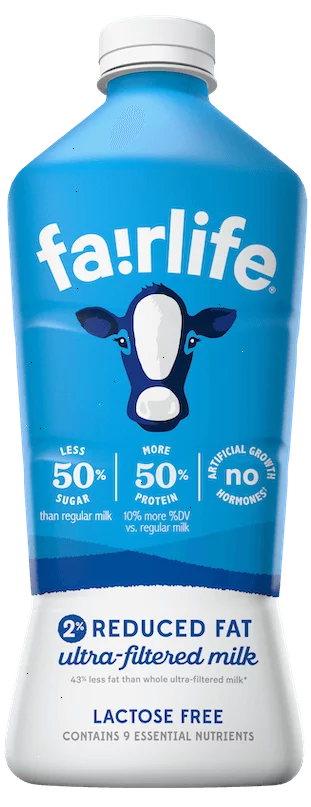
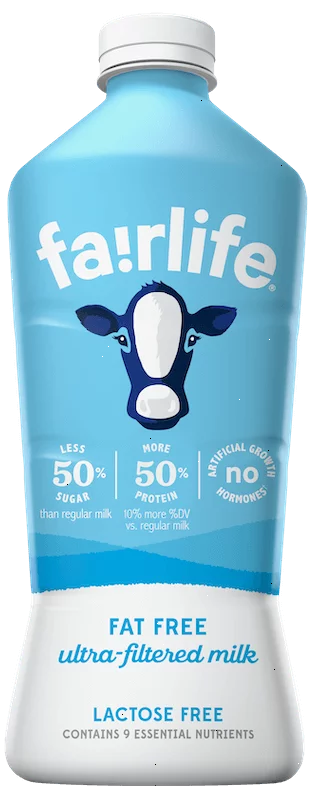
Ultra-filtered milk is a dairy product that undergoes a specialized filtration process to concentrate protein and remove much of the lactose and water. The result is a creamy, nutrient-dense milk with significantly more protein per serving than traditional milk. For example, Fairlife’s ultra-filtered milk products contain 13 grams of protein per 8-ounce serving, compared to about 8 grams in regular milk. This makes it a favorite among athletes, weightlifters, and anyone seeking a high-protein beverage without the added sugar or carbs.
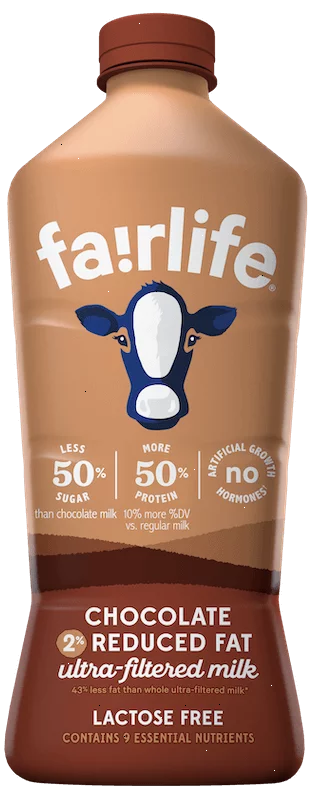
Popular options include CHOCOLATE 14oz ultra-filtered milk for a tasty, protein-rich treat, and the versatile WHOLE ULTRA-FILTERED MILK for cooking, baking, or drinking straight. Both are lactose-free, making them suitable for those with mild lactose intolerance.
What Is Soy Milk?
Soy milk is a plant-based beverage made from soybeans, water, and often added vitamins and minerals. It has been a staple in vegan and dairy-free diets for decades. Typically, unsweetened soy milk offers about 7 grams of protein per cup, with a creamy texture that mimics dairy milk. However, many commercial soy milks contain added sugars, thickeners, and preservatives to improve taste and shelf life. While soy milk is naturally lactose-free and cholesterol-free, it may not suit everyone due to soy allergies or concerns over phytoestrogens.
Protein Showdown: Ultra-Filtered Milk vs. Soy Milk
Protein content is the most critical factor for many consumers. Ultra-filtered milk provides around 13 grams of complete protein per cup, meaning it contains all nine essential amino acids. Soy milk offers about 7 to 8 grams of complete protein per cup, which is impressive for a plant-based option but still significantly lower. For muscle repair and satiety, ultra-filtered milk wins hands down. For example, if you’re looking for a post-workout recovery drink, CORE POWERC HOCOLATE delivers 26 grams of protein per bottle, far exceeding any standard soy milk.
However, for those on a strict plant-based diet, soy milk remains a respectable protein source. But if protein efficiency is your priority, ultra-filtered milk is the superior choice.
Taste and Texture Comparison
Taste is subjective, but most consumers find ultra-filtered milk to be richer and creamier than soy milk. The filtration process preserves the natural dairy flavor while removing the “beany” aftertaste often associated with soy. Soy milk can have a slightly nutty or grassy note, which some people love and others dislike. In coffee, ultra-filtered milk froths beautifully and adds a velvety texture, whereas soy milk can curdle if not properly formulated. For cereal or smoothies, ultra-filtered milk provides a neutral, satisfying base that doesn’t overpower other flavors. Soy milk works well in savory dishes like curries but may leave a distinct taste.
Allergen and Dietary Considerations
Ultra-filtered milk is made from cow’s milk, so it contains casein and whey proteins. This means it is not suitable for those with a dairy allergy (as opposed to lactose intolerance). However, because the filtration removes most lactose, it is generally safe for lactose-intolerant individuals. Soy milk is completely dairy-free, making it ideal for vegans and those with dairy allergies. However, soy is one of the top allergens, and some people experience digestive discomfort from soy oligosaccharides. Additionally, many soy milks contain added gums and emulsifiers, which can be problematic for sensitive stomachs.
Key Allergen Comparison Table
| Factor | Ultra-Filtered Milk | Soy Milk |
|---|---|---|
| Lactose | Very low (lactose-free) | None |
| Dairy allergens | Contains casein and whey | None |
| Soy allergen | None | Contains soy protein |
| Vegan-friendly | No | Yes |
Nutritional Profiles at a Glance
Beyond protein, ultra-filtered milk typically has fewer carbohydrates and less sugar than soy milk (if unsweetened). Unsweetened soy milk has about 1-2 grams of sugar, while ultra-filtered milk has around 6 grams of naturally occurring sugar (lactose is mostly removed, but some remains). Both are good sources of calcium and vitamin D when fortified. However, ultra-filtered milk naturally contains more potassium and phosphorus, which are beneficial for muscle function and bone health. Soy milk often has added calcium to match dairy levels but may lack the bioavailability of dairy calcium.
Environmental and Ethical Factors
Soy milk generally has a lower carbon footprint than dairy milk, as plant-based agriculture requires less water and land compared to cattle farming. However, the environmental impact of soy production varies depending on sourcing. Ultra-filtered milk, being dairy, has a higher environmental cost per liter. Yet, because it uses less milk to produce the same protein content (due to concentration), it is slightly more efficient than traditional milk. For ethical consumers, soy milk avoids animal exploitation, while ultra-filtered milk supports dairy farming. Both choices have trade-offs.
Best Uses for Each Milk
Ultra-filtered milk excels in situations where high protein and creaminess are desired:
- Post-workout recovery shakes
- High-protein coffee creamers
- Baking and cooking (adds moisture and structure)
- As a standalone high-protein drink
Soy milk is better suited for:
- Vegan recipes
- Those with dairy allergies
- Low-calorie diets (unsweetened versions)
- Smoothies with strong fruit flavors that can mask the soy taste
Which One Should You Choose? Practical Recommendations
If your primary goal is to maximize protein intake for muscle building, recovery, or satiety, ultra-filtered milk is the clear winner. The CHOCOLATE ULTRA-FILTERED MILK offers a delicious way to hit your protein goals without the chalkiness of many protein powders. For those who are vegan or have a dairy allergy, soy milk remains a solid alternative, but be mindful of added sugars and choose unsweetened varieties. If you have mild lactose intolerance but want dairy’s nutritional benefits, ultra-filtered milk is a game-changer.
Final Verdict
Both ultra-filtered milk and soy milk have their place in a balanced diet. Soy milk is excellent for plant-based eaters and those avoiding animal products, while ultra-filtered milk offers superior protein density and a more neutral taste profile. For anyone seeking a high-protein, lactose-free dairy option that tastes great and supports fitness goals, ultra-filtered milk is hard to beat. As the demand for functional beverages grows, ultra-filtered milk is proving to be a versatile, nutrient-packed choice for modern consumers.
Ready to experience the difference for yourself? Explore our selection of ultra-filtered milk products, including the popular CHOCOLATE 14oz ultra-filtered milk, and discover how high-protein dairy can transform your daily nutrition.