Core Power Shakes vs. Homemade Protein Shakes: Cost, Convenience, and Nutrition Breakdown
By Fairlife | Published: 2026-06-16
Category: Product Reviews
Compare Core Power shakes vs. homemade protein shakes on cost, convenience, and nutrition. Discover which fits your lifestyle and goals with our detailed breakdown.
When it comes to fueling your body post-workout, the protein shake aisle offers a dizzying array of choices. On one hand, you have the convenience of pre-made options like the Core Power line from Fairlife, which promises high-quality protein with no mixing required. On the other hand, homemade protein shakes offer total control over ingredients and potentially lower costs. But which is truly better for your goals, wallet, and schedule? In this comprehensive breakdown, we pit Core Power shakes vs. homemade protein shakes across three critical dimensions: cost, convenience, and nutrition. By the end, you'll have a clear picture of which option wins for your lifestyle.
Why the Core Power Shake Category Stands Out
Before diving into the comparison, it's worth understanding what makes Fairlife's Core Power shakes unique. These are not your average off-the-shelf protein drinks. Core Power shakes are made with ultra-filtered milk, meaning they contain 50% more protein and 30% more calcium than regular milk, with less sugar. This cold-filtration process preserves the natural protein structure and flavor, delivering a smooth, creamy texture that many find superior to standard whey-based shakes. For instance, the CORE POWERC HOCOLATE provides 26g of protein per bottle, while the CORE POWERM VANILLAE offers a versatile flavor that blends well with coffee or oats. These ready-to-drink (RTD) options eliminate the need for blending, scooping, and cleaning—a major convenience factor we'll explore.
Cost Comparison: Pre-Made vs. DIY
One of the most common arguments against pre-made shakes is cost. Let's break down the numbers.
The Price of Convenience
A single 14oz bottle of CORE POWER ELITE VANILLA (which packs 42g of protein) typically retails for around $3.50 to $4.00. For the standard 26g Core Power shakes, the price per bottle hovers around $2.50–$3.00. When you buy in bulk or subscribe, you may save 10–15%, but the per-serving cost remains significant.
The DIY Price Tag
Homemade shakes require a base ingredient (milk or milk alternative), a protein powder (whey, casein, or plant-based), and optional add-ins like fruit, nut butter, or yogurt. Assuming you buy a 2lb tub of high-quality whey protein for $40 (which yields about 30 servings at 25g protein each) and a half-gallon of milk for $3.50 (8 servings), each homemade shake costs roughly $1.80–$2.20. That's a savings of $0.70–$1.80 per shake compared to a Core Power RTD. Over a month of daily shakes, you could save $21–$54.
Hidden Costs of Homemade
However, DIY shakes come with hidden costs: your time (mixing, cleaning a blender), the electricity to run that blender, and the potential for wasted ingredients (opened protein powder that clumps or spoils). For a busy professional or parent, the time spent preparing and cleaning may outweigh the monetary savings. Also, if you use premium ingredients like organic milk, almond butter, or frozen berries, your per-shake cost can easily match or exceed that of a Core Power shake.
Convenience: The Core Power Advantage
This is where Core Power shakes truly shine. They are the definition of grab-and-go nutrition. No measuring, no blending, no cleanup. Simply twist the cap and drink. This makes them ideal for athletes who need immediate post-workout protein without waiting, or for people who travel frequently and can't lug a blender and tub of powder. Additionally, Core Power shakes are shelf-stable until opened, so you can stash them in your gym bag, office drawer, or car without refrigeration. The resealable cap also allows you to sip over time, unlike a shake that separates if left sitting.
Homemade shakes, by contrast, require planning. You must either prepare them in advance (and deal with separation) or make them fresh each time, which adds friction to your routine. For many, that friction can be the difference between consistently hitting protein goals and skipping altogether.
Nutrition Breakdown: Ingredient Quality and Macronutrient Profiles
Now, let's compare what's actually inside each shake.
| Nutrient | Core Power (26g protein) | Homemade (whey + milk, 25g protein) |
|---|---|---|
| Calories | 170 | ~220–260 |
| Protein | 26g | 25g |
| Carbohydrates | 9g (5g sugar) | ~12–15g (11–14g sugar from milk) |
| Fat | 3g | ~5–8g |
| Calcium | ~500mg (50% DV) | ~300mg (30% DV) |
| Added Ingredients | None (milk, natural flavors, vitamins) | Depends on powder (may contain artificial sweeteners, fillers) |
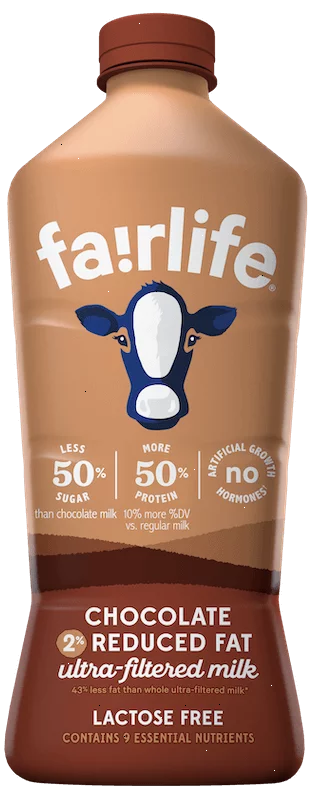
As you can see, Core Power shakes are leaner and lower in calories, largely because they use ultra-filtered milk which naturally has less sugar and more protein per ounce. The CHOCOLATE ULTRA-FILTERED MILK is a perfect example of this product category—rich in flavor but free from added sugars found in many homemade recipes that rely on chocolate syrup or flavored powders. Homemade shakes, while customizable, often end up higher in fat and sugar due to the whole milk and any add-ins. However, you have the power to control those variables—using skim milk, stevia, or unsweetened almond milk can bring the macros closer to Core Power levels.
Protein Quality
Both options can deliver high-quality protein. Core Power shakes contain a blend of micellar casein and whey protein, which provides both fast- and slow-digesting proteins—ideal for sustained muscle repair. Most homemade recipes using standard whey concentrate offer only fast-absorbing protein, though you can mix in casein powder for a similar effect. The ultra-filtered milk used in Core Power also retains more of the natural milk proteins and peptides, which some research suggests may be beneficial for muscle synthesis.
Which One Should You Choose?
The answer depends on your priorities:
- Choose Core Power shakes if: You value maximum convenience, have a tight schedule, travel often, or want a consistent, clean nutritional profile with no prep time. They are also excellent for post-workout recovery when you need protein immediately.
- Choose homemade shakes if: You're budget-conscious, enjoy customizing flavors and textures, or have specific dietary needs (e.g., vegan, lactose-free) that Core Power doesn't fully address. Homemade also allows you to use organic or locally sourced ingredients.
Final Verdict
In the battle of Core Power vs. homemade protein shakes, there is no universal winner. Core Power shakes offer unparalleled convenience, a clean ingredient list, and a nutritional profile that is hard to match without careful DIY effort. For the price, you're paying for time saved and quality assurance. Homemade shakes win on cost and customization, but require discipline and planning. If you are an athlete or busy professional who struggles to hit protein goals, the investment in pre-made shakes like Core Power may pay off in consistency and results. On the other hand, if you enjoy the ritual of blending and have the time, homemade can save you money while still delivering excellent nutrition.
Ready to simplify your post-workout routine? Check out the CORE POWER ELITE STRAWBERRY for a high-protein, deliciously convenient option that fits perfectly into any active lifestyle. Explore the full lineup at Fairlife today.