Ultra-Filtered Milk vs. Rice Milk: A Protein and Digestibility Showdown for Sensitive Stomachs
By Fairlife | Published: 2026-06-14
Category: Product Reviews
Compare ultra-filtered milk and rice milk for sensitive stomachs: protein content, digestibility, lactose tolerance, and taste. Discover which option supports your nutritional goals.
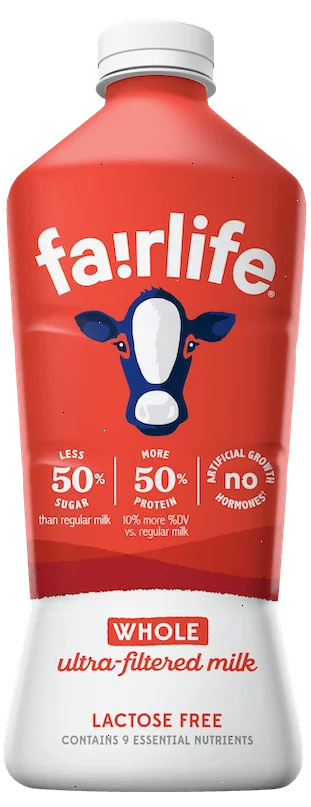
If you struggle with digestive sensitivity—whether from lactose intolerance, IBS, or simply a reactive gut—choosing the right milk alternative can feel like navigating a minefield. Two popular options often land on the shortlist: ultra-filtered milk and rice milk. While both are marketed as gentler on the stomach, they differ dramatically in protein content, carbohydrate load, and overall nutritional profile. In this comprehensive comparison, we'll break down the science behind each, focusing on protein quality, digestibility, and how they support sensitive systems. By the end, you'll know exactly which option aligns with your health goals—and why WHOLE ULTRA-FILTERED MILK might be the game-changer your diet needs.
What Is Ultra-Filtered Milk?
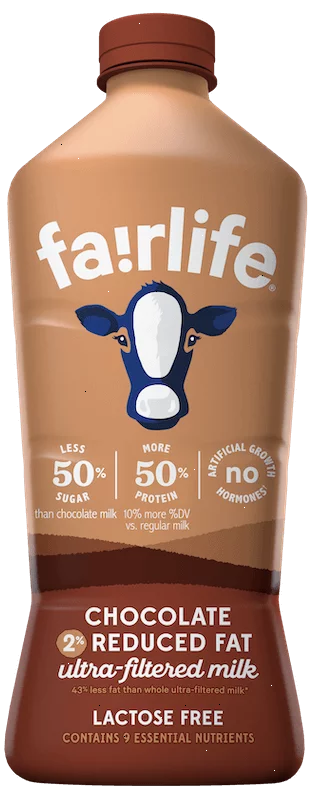
Ultra-filtered milk is real cow's milk that undergoes an advanced cold-filtration process. Unlike standard milk, it passes through fine membranes that concentrate protein and calcium while removing much of the lactose and water. The result is a creamy, nutrient-dense beverage with roughly twice the protein of regular milk, half the sugar, and zero lactose. Because the lactose is physically filtered out (not enzymatically broken down), it’s naturally easier to digest for those with mild to moderate lactose sensitivity. Brands like Fairlife have popularized this category, offering a range of flavors and protein levels to suit different lifestyles. For example, CHOCOLATE ULTRA-FILTERED MILK delivers the indulgence of chocolate milk with a fraction of the sugar and a hefty protein punch.
What Is Rice Milk?
Rice milk is a plant-based alternative made by blending milled rice (usually brown or white rice) with water, then straining out the solids. Commercial versions often add stabilizers, sweeteners, and fortifying vitamins like calcium and vitamin D. Rice milk is naturally lactose-free, dairy-free, and soy-free, making it a go-to for those with multiple food allergies. Its flavor is light, slightly sweet, and neutral—similar to skim milk but thinner. However, from a nutritional standpoint, rice milk is predominantly carbohydrates (mostly starches and sugars) and contains negligible protein—typically less than 1 gram per cup. It also has a high glycemic index, which can cause blood sugar spikes in sensitive individuals.
Protein Showdown: Ultra-Filtered Milk vs. Rice Milk
Protein is where these two options diverge most dramatically. Ultra-filtered milk retains the complete protein profile of dairy, including all nine essential amino acids, and delivers around 13–15 grams of protein per 8-ounce serving—more than double that of regular milk. This makes it an excellent choice for muscle repair, satiety, and metabolic health. In contrast, rice milk offers virtually no protein unless artificially fortified (and even then, it's usually added in amounts far below dairy levels). For anyone relying on milk as a protein source—whether for post-workout recovery, meal replacement, or simply to stay full between meals—ultra-filtered milk is the clear winner.
| Nutrient (per 8 oz) | Ultra-Filtered Milk (Whole) | Rice Milk (Unsweetened) |
|---|---|---|
| Calories | 150 | 120 |
| Protein | 13g | 0–1g |
| Carbohydrates | 6g | 26g |
| Fat | 8g | 2.5g |
| Lactose | 0g | 0g |
Digestibility: Why Sensitivity Matters
Lactose Content
Both ultra-filtered milk and rice milk are lactose-free, but via different mechanisms. Ultra-filtered milk physically removes lactose during filtration, leaving trace amounts so low that most lactose-intolerant individuals tolerate it well. Rice milk contains no lactose at all because it's plant-derived. For severe lactose intolerance, rice milk may feel safer initially, but many people with mild sensitivity find ultra-filtered milk equally comfortable—and far more satisfying.
FODMAPs and Gut Irritants
Rice milk is low in FODMAPs, making it a safe choice for those with IBS or fructose malabsorption. However, some commercial rice milks contain added gums (like carrageenan or guar gum) that can cause bloating in sensitive individuals. Ultra-filtered milk, being a simple dairy product with no added thickeners, is generally well-tolerated unless you have a casein allergy (rare). It's also naturally free of the oligosaccharides that trigger gas in many people.
Glycemic Impact
Rice milk has a high glycemic index (around 86), meaning it rapidly raises blood sugar. For those with reactive hypoglycemia, diabetes, or blood sugar sensitivity, this can lead to energy crashes and digestive discomfort. Ultra-filtered milk, with its low carbohydrate content and high protein, has a minimal glycemic impact, providing steady energy without spikes.
Which One Is Better for Sensitive Stomachs?
The answer depends on your specific sensitivities:
- If you need high protein and low sugar (e.g., for muscle maintenance, weight management, or blood sugar control), ultra-filtered milk is the superior choice. Products like WHOLE ULTRA-FILTERED MILK offer creamy texture and complete nutrition without the digestive distress of regular milk.
- If you have multiple allergies (dairy, soy, nuts) and need a completely allergen-free base, rice milk may be necessary—but you'll need to supplement protein elsewhere.
- If you're prone to bloating from added gums, check labels carefully on rice milk. Ultra-filtered milk typically contains no additives.
Practical Uses and Recipes
Ultra-Filtered Milk in Your Daily Diet
Because of its high protein and low sugar, ultra-filtered milk works beautifully in smoothies, coffee, oatmeal, and savory sauces. Use it as a base for overnight oats or blend it with frozen fruit and spinach for a nutrient-packed breakfast. Its neutral flavor also makes it a seamless swap in baking and creamy soups.
Rice Milk in Your Daily Diet
Rice milk is best used in cereal, as a light coffee creamer, or in recipes where you want a subtle sweetness without dairy flavor. However, because it lacks protein, it's not ideal for meal replacements or post-workout drinks. If you use rice milk, consider pairing it with a protein-rich meal to avoid blood sugar swings.
Cost and Availability
Ultra-filtered milk typically costs more per gallon than conventional milk but is still more affordable than many premium plant-based milks. Given its superior protein density, the cost per gram of protein is actually lower than most alternatives. Rice milk is generally inexpensive, but you get what you pay for nutritionally. Both are widely available in grocery stores and online at platforms like Fairlife.
Environmental and Ethical Considerations
Dairy production has a higher environmental footprint than plant-based options, but ultra-filtered milk requires less water and land per gram of protein than conventional dairy because it concentrates nutrients. Rice milk has a moderate environmental impact (rice cultivation releases methane), but it's still lower than dairy. For ethical vegans, rice milk is the clear choice; for those prioritizing nutrition and sustainability together, ultra-filtered milk offers a compelling middle ground.
Final Verdict: Which Should You Choose?
For protein, satiety, and stable blood sugar: Ultra-filtered milk wins hands down. It's the only option that delivers meaningful protein without lactose, making it ideal for active individuals, older adults, and anyone managing weight or blood sugar. The CHOCOLATE ULTRA-FILTERED MILK even satisfies a sweet tooth without guilt.
For strict allergen avoidance and low calorie needs: Rice milk has its place, but it's nutritionally hollow. If you choose rice milk, ensure you're getting protein from other sources (lean meats, eggs, legumes, or protein supplements).
Ultimately, if your stomach is sensitive but you don't have a true dairy allergy, ultra-filtered milk is the smarter, more nourishing investment. It gives you the digestive comfort of a lactose-free product without compromising on protein or taste.
Ready to Make the Switch?
If you're ready to experience the difference that real, lactose-free, high-protein milk can make, explore our selection at Fairlife. Start your journey with WHOLE ULTRA-FILTERED MILK, packed with 13g of protein per serving and zero lactose—perfect for sensitive stomachs and active lifestyles alike. Your gut will thank you.