Ultra-Filtered Milk vs. Lactose-Free Milk: Which Offers Better Protein and Digestibility?
By Fairlifesale | Published: 2026-06-11
Category: Product Reviews
Compare ultra-filtered milk vs lactose-free milk for protein content and digestibility. Learn why Fairlife ultra-filtered milk leads in nutrition and gut-friendly benefits.
When you stroll down the dairy aisle, the choices can feel overwhelming. Among the dozens of options, two categories often catch the eye of health-conscious shoppers: ultra-filtered milk and lactose-free milk. Both promise easier digestion than traditional milk, but they differ significantly in protein content, taste, and processing. If you're wondering which one delivers better protein and digestibility, this comparison will help you decide. We'll break down the science, nutrition, and practical benefits so you can make an informed choice for your lifestyle.
What Is Ultra-Filtered Milk?
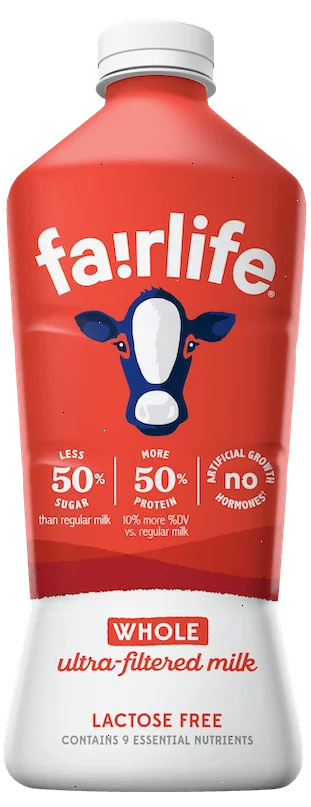
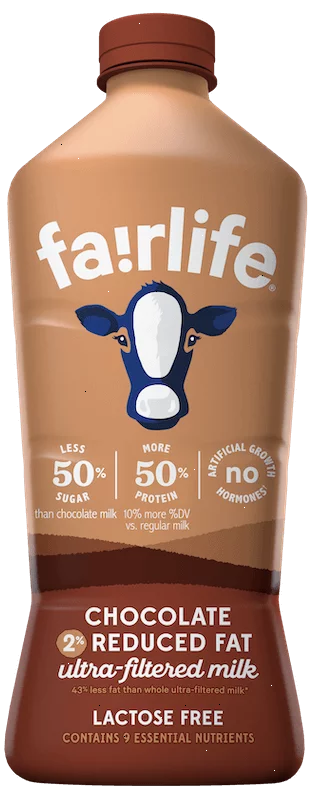
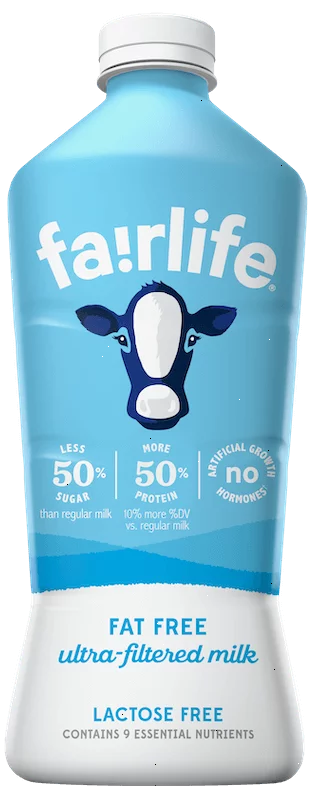
Ultra-filtered milk undergoes a specialized filtration process that separates milk into its core components: water, lactose, minerals, and proteins. By passing milk through fine membranes, manufacturers concentrate the protein and calcium while removing much of the lactose and water. The result is a thicker, creamier milk with roughly twice the protein of regular milk and about half the sugar. Brands like Fairlife have pioneered this method, offering products such as CHOCOLATE 14oz ultra-filtered milk that pack 13 grams of protein per 8-ounce serving—compared to just 8 grams in standard chocolate milk.
Because the filtration removes most of the lactose, ultra-filtered milk is naturally easier for many people with lactose sensitivity to digest. However, it's not completely lactose-free; trace amounts may remain. The process also preserves more calcium and vitamins, making it a nutrient-dense option for athletes, dieters, and families.
What Is Lactose-Free Milk?
Lactose-free milk starts as regular cow's milk. To make it lactose-free, manufacturers add the enzyme lactase, which breaks down lactose into simpler sugars—glucose and galactose. This makes the milk digestible for people with lactose intolerance. The nutritional profile of lactose-free milk is nearly identical to regular milk: about 8 grams of protein per cup, 12 grams of sugar (now from glucose/galactose), and the same calcium and vitamin D levels. It tastes slightly sweeter because glucose is sweeter than lactose, but the texture and mouthfeel remain the same.
While lactose-free milk solves the digestive issue for many, it doesn't offer the protein boost that ultra-filtered milk does. For those seeking higher protein intake without extra sugar, this difference is crucial.
Protein Showdown: Ultra-Filtered vs. Lactose-Free
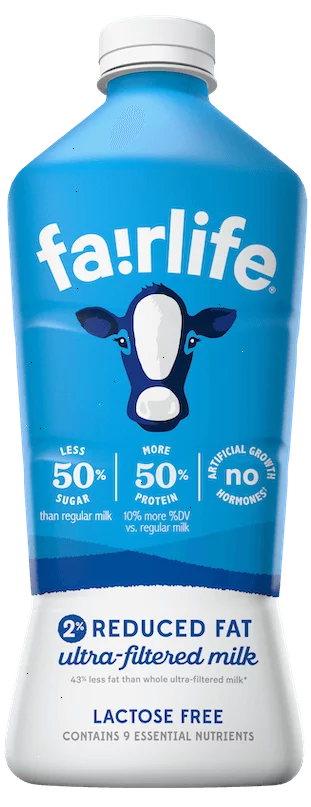
Let's put the numbers side by side. A typical 8-ounce glass of whole milk has about 8 grams of protein. Lactose-free whole milk also has 8 grams. In contrast, ultra-filtered milk like Fairlife's 2% Reduced Fat Ultra-Filtered Milk delivers 13 grams of protein per cup—a 62% increase. For athletes, bodybuilders, or anyone trying to hit daily protein targets, that extra 5 grams per serving adds up quickly. Drinking two cups a day means an extra 10 grams of protein, which could support muscle repair and satiety.
Moreover, ultra-filtered milk contains all nine essential amino acids, making it a complete protein source. The filtration process does not denature the proteins, so you get the same high-quality whey and casein found in regular milk—just concentrated. Lactose-free milk, while also a complete protein, simply doesn't offer that concentration.
| Nutrient (per 8 oz) | Ultra-Filtered Milk (Fairlife 2%) | Lactose-Free Whole Milk |
|---|---|---|
| Calories | 120 | 150 |
| Protein | 13 g | 8 g |
| Total Sugar | 6 g | 12 g |
| Calcium | 40% DV | 30% DV |
| Lactose | ~0.5 g | <0.1 g |
As the table shows, ultra-filtered milk wins on protein and calcium while having less sugar. That's a big deal for anyone monitoring carbohydrate intake.
Digestibility: Which Is Gentler on Your Gut?
Digestibility depends on your specific level of lactose intolerance. For individuals with severe lactose intolerance—where even a few grams trigger bloating, gas, or diarrhea—lactose-free milk is the safer choice because it contains virtually no lactose. Ultra-filtered milk still retains trace amounts (around 0.5 grams per cup), which might cause symptoms in highly sensitive individuals.
However, for the majority of people with mild to moderate lactose sensitivity, ultra-filtered milk is often well-tolerated. The reduced lactose content (about 90% less than regular milk) is low enough that many can enjoy it without discomfort. Additionally, the higher protein and lower sugar content may benefit gut health indirectly by promoting stable blood sugar and reducing cravings for sugary foods that can irritate the digestive system.
Another factor: ultra-filtered milk is often easier on the stomach because it lacks the added lactase enzyme that can sometimes cause a mild laxative effect in some individuals. The filtration process naturally removes most of the lactose, so your body doesn't have to work as hard to break it down.
Taste and Texture Comparison
Taste preferences are subjective, but most people find ultra-filtered milk to be richer and creamier than lactose-free milk. Because the protein and fat are more concentrated, ultra-filtered milk has a fuller mouthfeel—almost like a light cream. Lactose-free milk, on the other hand, tastes exactly like regular milk but slightly sweeter due to the glucose. If you prefer a clean, classic milk flavor, lactose-free might be your pick. If you want a decadent, milkshake-like experience without the extra sugar, ultra-filtered milk is the winner.
In coffee, ultra-filtered milk can sometimes curdle if added too quickly to hot coffee, so it's best to pour slowly. Lactose-free milk behaves identically to regular milk in hot beverages. For cereal, smoothies, or drinking straight, both work well, but ultra-filtered milk gives a thicker, more satisfying texture.
Which One Should You Choose?
The answer depends on your goals and tolerance:
- Choose ultra-filtered milk if you want higher protein (13g vs 8g), lower sugar, and more calcium, and you have mild lactose sensitivity. It's ideal for post-workout recovery, meal prep, and anyone aiming to increase protein intake without extra calories.
- Choose lactose-free milk if you have severe lactose intolerance and need guaranteed zero lactose, or if you prefer the classic milk taste and texture without the extra thickness.
- Consider a hybrid approach: use ultra-filtered milk for drinking and cooking where protein matters, and keep lactose-free milk for recipes where you need a neutral flavor, like baking or white sauces.
Practical Tips for Incorporating Ultra-Filtered Milk
If you decide to try ultra-filtered milk, here are some easy ways to use it daily:
- Post-workout shake: Blend one cup of CHOCOLATE 14oz ultra-filtered milk with a banana and ice for a quick 20g protein recovery drink.
- Oatmeal: Cook your oats with ultra-filtered milk instead of water for a creamy, high-protein breakfast.
- Protein coffee: Add a splash to your morning coffee for a latte-like texture without the sugar crash.
- Smoothies: Use Fairlife's 2% Reduced Fat Ultra-Filtered Milk as a base—you'll get more protein and fewer carbs than regular milk or juice.
Final Verdict: Ultra-Filtered Milk Leads for Protein and Digestibility
When comparing ultra-filtered milk vs. lactose-free milk on the metrics of protein and digestibility, ultra-filtered milk comes out ahead for most people. It offers significantly more protein per serving, less sugar, and higher calcium—all while being gentle enough for those with mild lactose sensitivity. Lactose-free milk remains a solid choice for those with severe intolerance, but it cannot match the nutritional density of ultra-filtered options.
If you're looking to upgrade your dairy game and get more protein without extra sugar, try Fairlife's ultra-filtered products. They're a simple swap that delivers real results for your health and taste buds.
Ready to experience the difference? Explore the CHOCOLATE 14oz ultra-filtered milk at Fairlifesale—it's a delicious, high-protein choice that supports your fitness and wellness goals.