Ultra-Filtered Milk vs. Goat Milk: A Nutritional and Taste Comparison for Lactose-Sensitive Diets
By Fairlifesale | Published: 2026-06-11
Category: Product Reviews
Discover which dairy option wins for lactose-sensitive diets: ultra-filtered milk or goat milk. Compare protein, lactose levels, taste, and nutrition with Fairlife products.
If you're navigating a lactose-sensitive diet, you've likely faced the dilemma of choosing between different dairy options that promise easier digestion. Two popular contenders often come up: ultra-filtered milk (like Fairlife) and traditional goat milk. While both are marketed as gentler on the stomach, they differ significantly in nutrition, taste, and how they're processed. In this comprehensive guide, we’ll break down ultra-filtered milk vs goat milk, comparing protein content, lactose levels, flavor profiles, and suitability for various dietary needs. By the end, you’ll know exactly which one belongs in your fridge.
What Is Ultra-Filtered Milk?
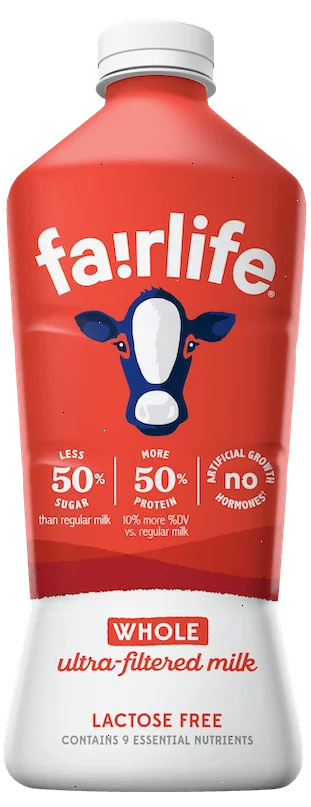
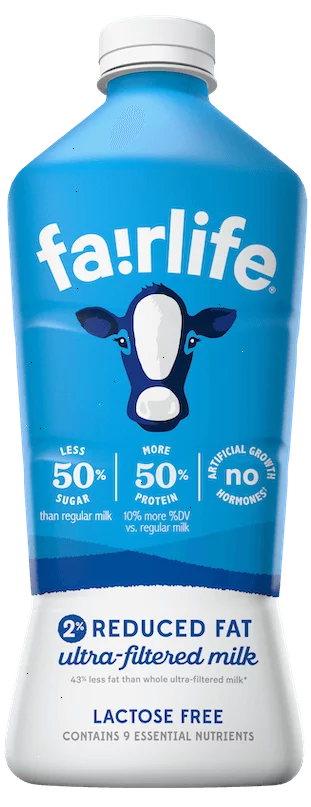
Ultra-filtered milk, such as 2% REDUCED FAT 14oz ultra-filtered milk, undergoes a unique filtration process that removes water, lactose, and some minerals while concentrating protein and calcium. The result is a milk with roughly 50% more protein, half the sugar, and significantly less lactose than regular cow’s milk. Brands like Fairlife have popularized this method, offering products that are lactose-free by nature (most of the lactose is filtered out) and creamier in texture. It’s also pasteurized at ultra-high temperatures (UHT) for extended shelf life.
What Is Goat Milk?
Goat milk is a traditional dairy alternative that’s naturally lower in lactose than cow’s milk, though not entirely lactose-free. It contains about 4.1% lactose compared to cow’s milk at 4.8%, making it potentially easier to digest for some people. Goat milk is also known for its distinct tangy and earthy flavor, which can be polarizing. Nutritionally, it’s similar to cow’s milk in protein (about 8 grams per cup) and fat content, but it has smaller fat globules, which may aid digestion. However, it’s not a low-lactose product, and those with severe lactose intolerance may still experience discomfort.
Nutritional Comparison: Ultra-Filtered Milk vs Goat Milk
To help you make an informed choice, here’s a side-by-side breakdown of key nutrients per 8-ounce serving:
| Nutrient | Ultra-Filtered Milk (2% Reduced Fat) | Goat Milk (Whole, Typical) |
|---|---|---|
| Calories | 120 | 168 |
| Protein | 13 g | 8 g |
| Total Fat | 5 g | 10 g |
| Carbohydrates | 6 g | 11 g |
| Sugar (Lactose) | 2 g (lactose removed) | 11 g (naturally occurring) |
| Calcium | 380 mg (30% DV) | 327 mg (25% DV) |
| Vitamin D | 100 IU (25% DV) | 29 IU (7% DV) |
Key Takeaway: Ultra-filtered milk provides significantly more protein (13g vs 8g) and far less sugar and calories than goat milk. For those focused on muscle repair or weight management, ultra-filtered milk is a clear winner. Goat milk, while still nutritious, contains almost double the calories and fat.
Lactose Content and Digestibility for Lactose-Sensitive Diets
For individuals with lactose intolerance, the primary concern is the amount of lactose remaining in the milk. Goat milk has about 4.1% lactose, which is lower than cow’s milk but still substantial. Many people with mild to moderate intolerance can tolerate small amounts, but it can cause bloating, gas, or diarrhea in sensitive individuals. In contrast, ultra-filtered milk typically contains less than 1% lactose (often labeled as lactose-free), because the filtration process removes most of it. For example, WHOLE ULTRA-FILTERED MILK has only 2g of sugar per serving, most of which is not lactose. This makes ultra-filtered milk a safer choice for those with severe lactose intolerance.
Flavor and Culinary Applications
Goat milk has a distinctive, tangy, and earthy flavor that some people love and others find off-putting. It works well in savory dishes like soups and curries, and its higher fat content adds richness. However, it can overpower delicate flavors in coffee, cereal, or smoothies. Ultra-filtered milk, on the other hand, has a clean, creamy, and neutral taste that closely resembles regular cow’s milk but is slightly thicker. It’s versatile enough for drinking, baking, and cooking without altering flavor profiles. For those who prioritize a mild taste, ultra-filtered milk is the better option.
Protein Quality and Muscle Support
Both milks provide high-quality complete proteins, but the quantity differs dramatically. Ultra-filtered milk contains 13g of protein per cup, which is nearly double that of goat milk. This makes it an excellent choice for athletes, bodybuilders, or anyone looking to increase protein intake without extra calories. Fairlife’s CORE POWERC HOCOLATE shake, for instance, packs 26g of protein in a single bottle, making it a convenient post-workout recovery drink. Goat milk, while still a decent protein source, simply can’t compete on volume. If your goal is muscle maintenance or growth, ultra-filtered milk is superior.
Environmental and Ethical Considerations
From a sustainability perspective, goat milk farming often has a lower environmental impact than large-scale cow dairies, as goats require less water and feed. However, ultra-filtered milk, especially from brands like Fairlife, uses advanced filtration that reduces waste and extends shelf life, which can cut down on food spoilage. Additionally, Fairlife has committed to responsible sourcing and animal welfare standards. Both options have trade-offs, but for those prioritizing lactose sensitivity and protein density, ultra-filtered milk tends to score higher.
Which One Should You Choose?
Your decision ultimately depends on your specific needs:
- Choose Ultra-Filtered Milk if: You have moderate to severe lactose intolerance, want high protein with low sugar, or prefer a neutral flavor for everyday use.
- Choose Goat Milk if: You have mild lactose sensitivity, enjoy its unique flavor, or are looking for a traditional dairy alternative with smaller fat globules that may be easier to digest.
For most lactose-sensitive individuals, ultra-filtered milk offers the best balance of nutrition, digestibility, and versatility. It’s especially beneficial for those managing their weight or building muscle without sacrificing taste.
Final Verdict
In the battle of ultra-filtered milk vs goat milk for lactose-sensitive diets, ultra-filtered milk comes out on top due to its nearly zero lactose content, higher protein, and lower calorie profile. Goat milk remains a decent option for those who can tolerate some lactose and enjoy its distinct taste, but it’s not suitable for everyone. If you’re ready to upgrade your dairy game, try Fairlife’s ultra-filtered options and experience the difference for yourself.
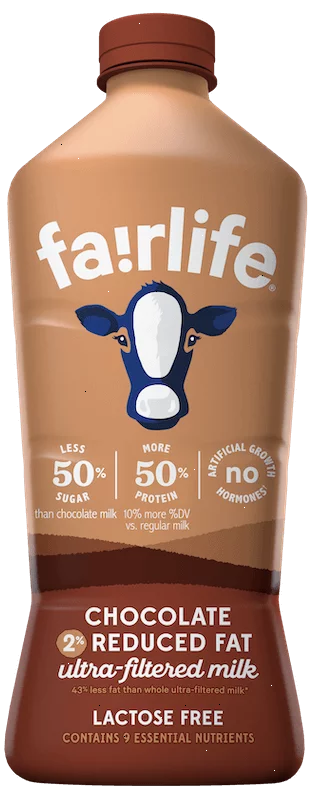
Ready to make the switch? Explore the full range of Fairlife ultra-filtered milks, including the creamy CHOCOLATE 14oz ultra-filtered milk, which offers a delicious, high-protein treat without the lactose. Your stomach—and your taste buds—will thank you.