Ultra-Filtered Milk vs. Whole Milk: Complete Nutritional and Taste Showdown
By Fairlifesale | Published: 2026-06-13
Category: Product Reviews
Compare ultra-filtered milk and whole milk side by side: protein, sugar, lactose, taste, and cost. Discover why ultra-filtered milk wins for fitness, keto, and low-sugar diets.
When you stand in the dairy aisle, the choice between ultra-filtered milk and traditional whole milk can feel overwhelming. Both are real milk, but they are processed differently, resulting in distinct nutritional profiles, textures, and uses. Whether you are an athlete chasing protein, a parent looking for kid-friendly nutrition, or someone managing lactose intolerance, understanding the differences is key. In this complete head-to-head comparison, we break down everything from protein content and sugar levels to taste and cooking performance.
What Is Ultra-Filtered Milk?
Ultra-filtered milk is regular milk that undergoes an additional cold-filtration step. The milk is passed through fine membranes that separate out water, lactose, and some minerals, while concentrating protein and calcium. The result is a milk that naturally contains about 50% more protein, half the sugar, and significantly more calcium than conventional milk. Because most of the lactose is removed, it is also naturally lactose-free, making it digestible for many people with lactose sensitivity.
What Is Whole Milk?
Whole milk is standard cow’s milk that has not had any of its fat removed. It typically contains about 3.25% milk fat. Whole milk is prized for its rich, creamy taste and is a staple in many households. However, it also contains around 12 grams of sugar per cup (from naturally occurring lactose) and about 8 grams of protein. It is not lactose-free and may cause discomfort for those with lactose intolerance.
Nutritional Comparison: Ultra-Filtered Milk vs. Whole Milk
| Nutrient (per 1 cup / 240 ml) | Ultra-Filtered Milk (Whole) | Whole Milk (Conventional) |
|---|---|---|
| Calories | ~150 | ~150 |
| Protein | 13 g | 8 g |
| Total Fat | 8 g | 8 g |
| Sugar (natural) | 6 g | 12 g |
| Calcium | ~500 mg (50% DV) | ~300 mg (30% DV) |
| Lactose | Almost none (lactose-free) | ~11 g |
Protein: The Clear Winner
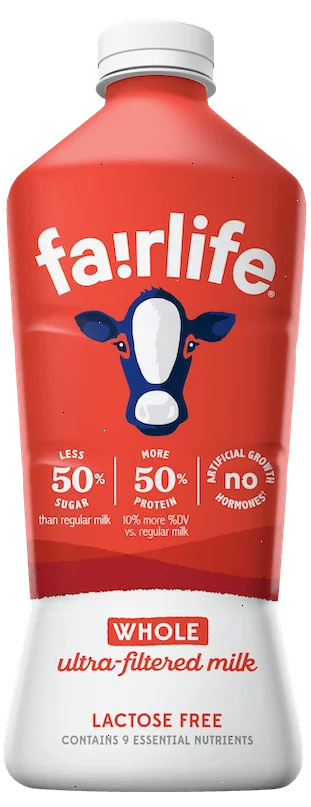
Ultra-filtered milk delivers nearly 13 grams of protein per cup—about 60% more than whole milk. This makes it an excellent post-workout recovery drink or a satiating addition to breakfast. If you are looking for a convenient way to boost protein intake without drinking a shake, try Whole Ultra-Filtered Milk straight from the bottle or blended into coffee.
Sugar and Carbohydrates
Whole milk contains 12 grams of sugar per cup, all from lactose. Ultra-filtered milk cuts that number in half—to about 6 grams per cup—because the filtration process removes much of the lactose. This is a game-changer for anyone on a low-sugar diet, managing diabetes, or following a keto or paleo lifestyle. The reduced sugar also means fewer calories from carbs, which can help with weight management.
Calcium and Bone Health
Ultra-filtered milk naturally contains more calcium per serving—around 500 mg compared to 300 mg in whole milk. That is 50% of your daily value in one glass. For growing children, older adults, or anyone concerned about bone density, this is a significant advantage.
Taste and Texture: Which One Tastes Better?
Taste is subjective, but here are the key differences. Whole milk has a classic creamy mouthfeel and a sweet, milky flavor that many people love. Ultra-filtered whole milk (like Whole Ultra-Filtered Milk) also tastes creamy and rich, but with a slightly cleaner finish because of the reduced sugar. Some people find ultra-filtered milk to be a bit thinner than conventional whole milk, but the difference is subtle. If you are switching from whole milk to ultra-filtered, most people adapt within a few days and actually prefer the cleaner taste.
Lactose and Digestibility
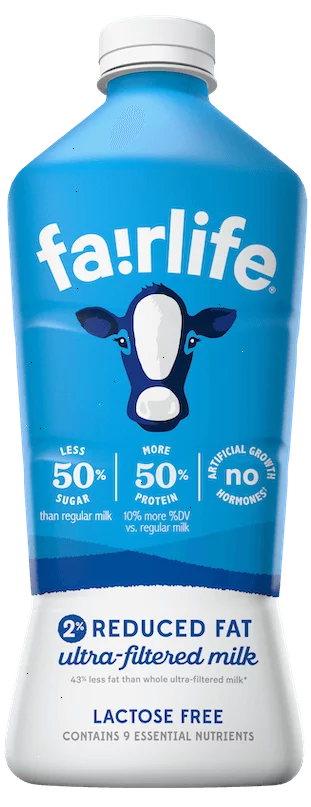
This is one of the biggest differentiators. Whole milk contains lactose, which can cause bloating, gas, and discomfort for the estimated 65% of the global population with some degree of lactose intolerance. Ultra-filtered milk removes 99% of the lactose, making it naturally lactose-free. If you have struggled with regular milk in the past, ultra-filtered milk is a fantastic alternative that still tastes like real milk—not a watery substitute. For a quick grab-and-go option, consider 2% Reduced Fat 14oz Ultra-Filtered Milk for convenient single-serving bottles.
Best Uses in the Kitchen
Baking and Cooking
Both milks work well in baking, but ultra-filtered milk’s higher protein content can affect texture. It may create slightly denser baked goods, which is actually desirable for muffins, pancakes, and high-protein breads. Whole milk is ideal for recipes that rely on a light, airy texture, such as soufflés or delicate cakes.
Coffee and Beverages
Ultra-filtered milk steams beautifully and creates a thick foam for lattes and cappuccinos, thanks to its higher protein content. Whole milk also foams well, but the extra sugar in whole milk can caramelize faster, giving a slightly sweeter taste. For a low-sugar coffee creamer, ultra-filtered milk is the winner.
Drinking Straight
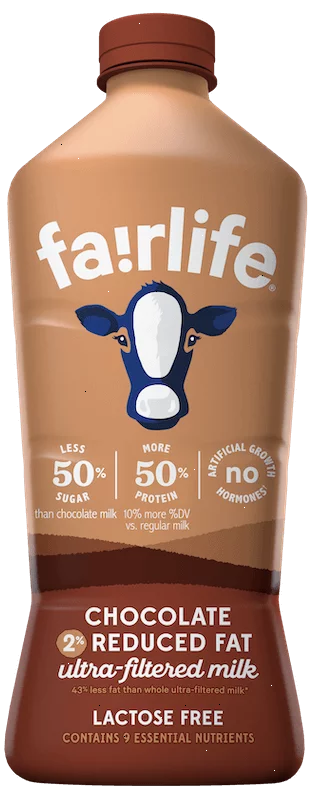
For a simple glass of milk, whole milk is the nostalgic favorite. But if you want a protein boost with less sugar, ultra-filtered milk is just as satisfying—especially the chocolate varieties.
Cost Comparison
Ultra-filtered milk typically costs 30–50% more than conventional whole milk. A half-gallon of ultra-filtered milk may run $4–$6, while whole milk is often $2–$4. However, when you factor in the extra protein and calcium, the cost per gram of protein often favors ultra-filtered milk. For example, you get 13g of protein per cup of ultra-filtered milk versus 8g in whole milk—so you are paying for more nutrition per dollar.
Environmental Impact
Because ultra-filtered milk uses less water and requires fewer cows to produce the same amount of protein, it has a lower carbon footprint per gram of protein compared to conventional milk. Some brands also use sustainable farming practices. While not all ultra-filtered milk is certified organic, the production process is generally more resource-efficient.
Who Should Choose Ultra-Filtered Milk?
- Fitness enthusiasts who want a high-protein, low-sugar recovery drink.
- People with lactose intolerance who miss real milk.
- Diabetics or those on low-carb diets looking to reduce sugar intake.
- Parents who want to increase their children’s protein and calcium without extra sugar.
- Anyone who prefers a cleaner, less sweet milk taste.
Who Should Stick with Whole Milk?
- Traditionalists who love the classic sweet, creamy flavor.
- Bakers making delicate pastries where protein density could alter texture.
- Budget-conscious shoppers who do not need extra protein or lower sugar.
- People without lactose issues who are happy with standard milk.
Final Verdict: Which Milk Is Right for You?
If you are looking for a milk that delivers more protein, less sugar, and is naturally lactose-free, ultra-filtered milk is the clear winner. It outperforms whole milk in almost every nutritional metric while still tasting delicious. For those who prioritize taste nostalgia or have a tight budget, whole milk remains a perfectly good choice. But for anyone seeking optimal nutrition without sacrificing flavor, making the switch to ultra-filtered milk is a smart move.
Ready to upgrade your milk game? Try Whole Ultra-Filtered Milk today and experience the difference in protein, taste, and digestibility for yourself. Your body will thank you.