Ultra-Filtered Milk vs. Buttermilk: A Protein-Packed Comparison for Baking and Cooking
By Fairlife | Published: 2026-06-14
Category: Product Reviews
Discover how ultra-filtered milk stacks up against buttermilk in baking and cooking. Learn about nutrition, acidity, texture, and the best high-protein swaps for your recipes.
Baking and cooking often call for buttermilk — that tangy, creamy liquid that tenderizes cakes, fluffs up pancakes, and adds richness to dressings. But what if you're out of buttermilk, or you want a higher-protein, lower-lactose alternative? Enter ultra-filtered milk. In this article, we compare ultra-filtered milk vs. buttermilk from every angle: nutrition, culinary behavior, acidity, and how to swap one for the other in your favorite recipes. Whether you're a home baker, a meal-prepper, or someone managing lactose sensitivity, this guide will help you choose the right dairy for your kitchen.
What Is Buttermilk?
Traditional buttermilk is the tangy liquid left over after churning butter. Modern cultured buttermilk is made by adding lactic acid bacteria to milk, which ferments the lactose into lactic acid. This gives buttermilk its characteristic sour taste and thick, slightly viscous texture. It's prized in baking because its acidity reacts with baking soda to create carbon dioxide, helping baked goods rise and gain a tender crumb. Buttermilk is also a popular marinade ingredient — the acid helps tenderize meat.
What Is Ultra-Filtered Milk?
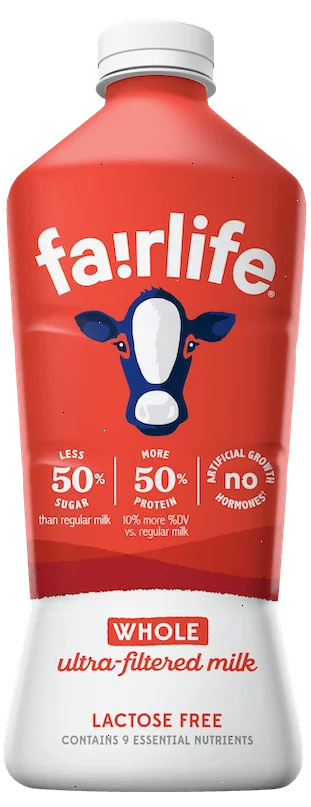
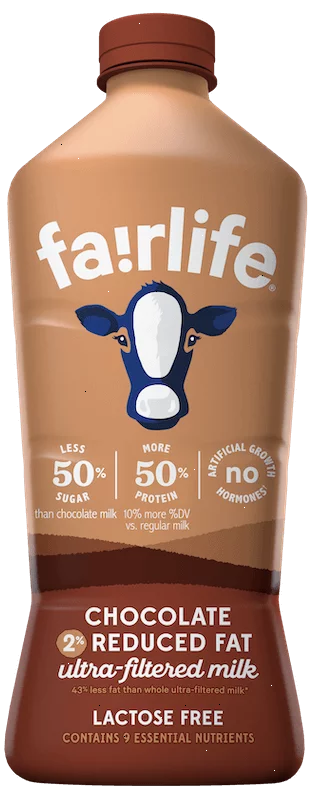
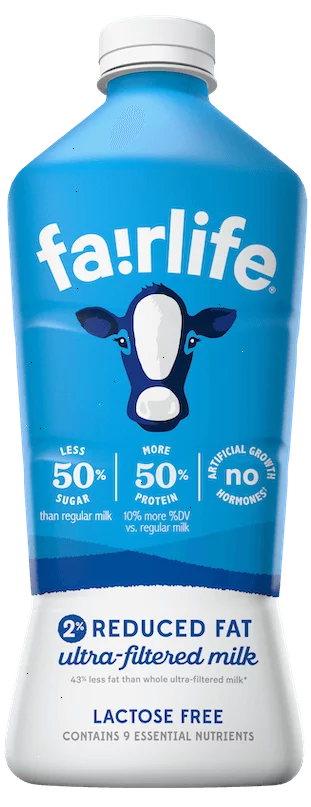
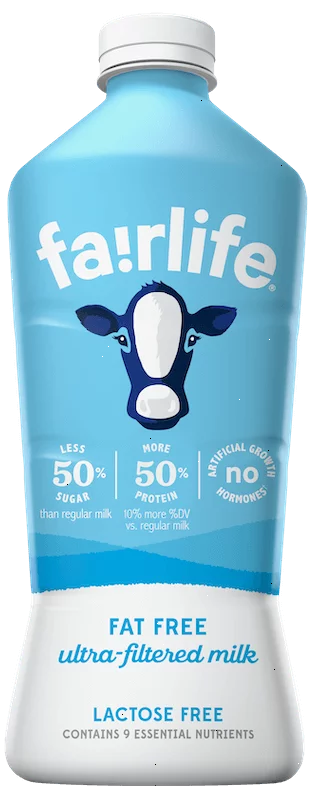
Ultra-filtered milk is made by passing fresh milk through a fine membrane that concentrates protein and calcium while removing most of the lactose and some water. The result is a milk that's naturally thicker, creamier, and significantly higher in protein than regular milk. Fairlife's ultra-filtered milk, for example, contains about 13 grams of protein per 8-ounce serving — roughly twice that of conventional milk. It's also lactose-free, making it an excellent option for those with lactose intolerance. Popular varieties include 2% Reduced Fat Ultra-Filtered Milk and the rich CHOCOLATE 14oz ultra-filtered milk.
Nutritional Showdown: Ultra-Filtered Milk vs. Buttermilk
When comparing nutrition, the differences are striking. Let's break it down per 1-cup (8-ounce) serving:
| Nutrient | Buttermilk (cultured, low-fat) | Ultra-Filtered Milk (2% reduced fat) |
|---|---|---|
| Calories | ~98 | ~120 |
| Protein | ~8g | ~13g |
| Fat | ~2g | ~5g |
| Carbohydrates | ~12g | ~6g |
| Sugar (lactose) | ~12g | ~6g |
| Calcium | ~28% DV | ~40% DV |
| Lactose | Present | Lactose-free |
Ultra-filtered milk wins on protein, calcium, and digestibility. Buttermilk has a lower calorie count but contains more sugar (from lactose) and lacks the protein density. For anyone looking to boost protein intake without extra sugars, ultra-filtered milk is the clear nutritional champion.
Acidity and Leavening: The Baking Chemistry
One of buttermilk's superpowers is its acidity (pH around 4.5). In baking, that acid reacts with baking soda to release gas bubbles, making cakes, muffins, and pancakes light and fluffy. Ultra-filtered milk, by contrast, has a more neutral pH (around 6.7). If you want to substitute ultra-filtered milk for buttermilk in baking, you need to add an acid to mimic that reaction.
How to make a high-protein buttermilk substitute: Add 1 tablespoon of lemon juice or white vinegar per cup of ultra-filtered milk, then let it sit for 5–10 minutes. The milk will curdle slightly, creating a tangy, acidic liquid that behaves like buttermilk in recipes. This works beautifully with any variety, including 2% REDUCED FAT 14oz ultra-filtered milk. The result? A protein-packed buttermilk that gives you the best of both worlds.
Culinary Texture and Flavor
Buttermilk has a thin but slightly viscous body and a sharp, tangy flavor. Ultra-filtered milk is thicker and creamier due to the concentration process. When you add acid to ultra-filtered milk, the texture becomes even thicker — almost like a thin yogurt — which can be a bonus in recipes that need body, such as smoothies, salad dressings, or marinades. Flavor-wise, ultra-filtered milk is mild and slightly sweet (lactose is removed, so residual sweetness comes from natural milk sugars). Adding acid gives it a pleasant tang without the strong sourness of buttermilk.
Best Uses for Each
- Buttermilk is ideal for: Traditional Southern biscuits, Irish soda bread, buttermilk pancakes, and buttermilk ranch dressing.
- Ultra-filtered milk (with acid) is ideal for: High-protein pancakes, protein muffins, creamy soups, and marinades where you want extra protein and less sugar.
- Ultra-filtered milk (plain) is ideal for: Cereal, coffee, drinking straight, and recipes where milk's neutrality is preferred.
Lactose and Digestibility
Buttermilk contains lactose. While the fermentation process reduces some lactose, it's not lactose-free. Many people with lactose intolerance can tolerate small amounts of cultured buttermilk, but it's not guaranteed. Ultra-filtered milk, on the other hand, is virtually lactose-free. For those with sensitive stomachs, swapping buttermilk for ultra-filtered milk plus acid can prevent bloating and discomfort while still delivering the tang needed for recipes.
Cooking Applications: Beyond Baking
Marinades and Tenderizers
The acid in buttermilk is a classic meat tenderizer, especially for chicken. You can use the same acidified ultra-filtered milk mixture for marinades. The higher protein content may even help the marinade cling better to the meat, resulting in a more flavorful crust when cooked.
Dressings and Dips
Buttermilk ranch dressing is a staple. For a healthier, higher-protein version, blend acidified ultra-filtered milk with herbs, garlic, and a little mayonnaise. The extra creaminess from the ultra-filtered milk creates a luscious texture without needing as much oil or mayo.
Soups and Sauces
Ultra-filtered milk can replace buttermilk in creamy soups (like potato or corn chowder) without curdling, thanks to its stable protein structure. It also works beautifully in creamy pasta sauces, adding protein without altering the flavor profile too much.
Cost and Availability
Buttermilk is inexpensive and widely available in any grocery store. Ultra-filtered milk tends to cost more per gallon, but considering its concentrated protein and nutritional density, it offers excellent value for those prioritizing protein. Many stores now carry Fairlife ultra-filtered milk, and online ordering through Fairlife's e-commerce platform makes it easy to stock up on your favorite varieties.
Final Verdict: Which Should You Choose?
For traditional baking recipes that rely on buttermilk's exact acidity and flavor, stick with buttermilk. But if you're looking to boost protein, reduce sugar, avoid lactose, or simply need a versatile substitute, ultra-filtered milk is a fantastic alternative. With a simple acid addition, it performs nearly identically in baking while delivering superior nutrition.
Ready to elevate your baking and cooking with a high-protein twist? Try swapping in 2% Reduced Fat Ultra-Filtered Milk for your next batch of pancakes or marinade. Your body will thank you for the extra protein, and your taste buds will love the creamy texture. Explore the full range of Fairlife ultra-filtered milk options and discover how easy it is to upgrade your everyday recipes.