Ultra-Filtered Milk vs. Greek Yogurt: The Ultimate Protein Showdown for Muscle Recovery and Gut Health
By Fairlife | Published: 2026-06-15
Category: Product Reviews
Compare ultra-filtered milk and Greek yogurt for muscle recovery and gut health. Discover protein content, gut benefits, and how Fairlife products fit your diet.
When it comes to high-protein dairy choices for muscle recovery and gut health, two heavyweights often go head-to-head: ultra-filtered milk and Greek yogurt. Both are beloved by athletes, dieters, and health-conscious consumers, but they offer distinct nutritional profiles and benefits. In this in-depth showdown, we’ll break down the protein content, gut health advantages, taste, and versatility of these two dairy powerhouses. By the end, you’ll know exactly which option suits your post-workout routine, daily breakfast, or digestive wellness goals. Plus, we’ll shine a spotlight on Fairlife’s innovative ultra-filtered milk and protein shakes as convenient alternatives.
What Is Ultra-Filtered Milk?
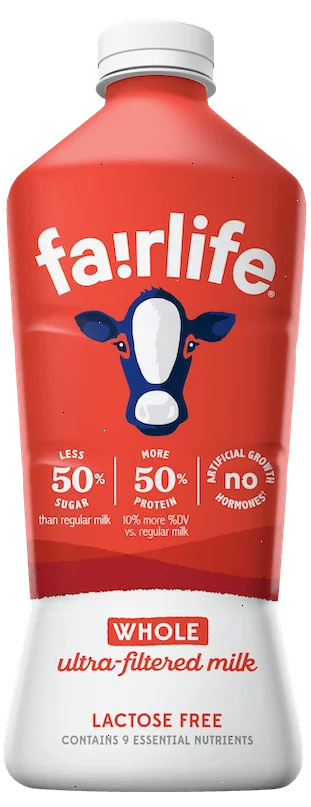
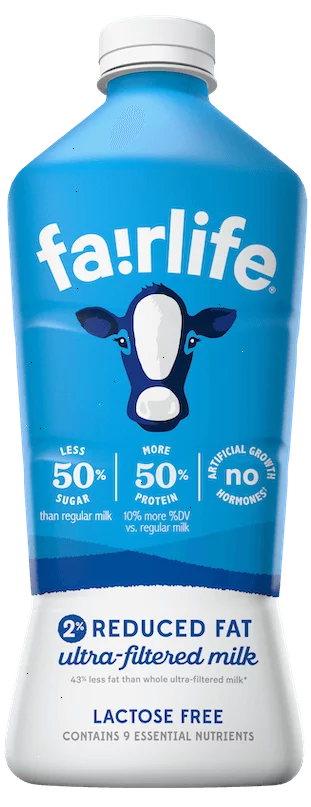
Ultra-filtered milk is a modern dairy innovation that uses cold filtration to concentrate protein and calcium while removing most of the lactose. The result is a creamy, naturally sweet milk with nearly twice the protein of regular milk and about half the sugar. For example, Fairlife’s 2% Reduced Fat Ultra-Filtered Milk delivers 13 grams of protein per 8-ounce serving, compared to just 8 grams in traditional milk. This makes it an excellent choice for muscle repair after exercise, especially for those who are lactose sensitive.
What Is Greek Yogurt?
Greek yogurt is produced by straining regular yogurt to remove whey, resulting in a thicker, tangier product with a higher protein concentration. A standard 6-ounce serving of plain, nonfat Greek yogurt offers about 15–20 grams of protein, along with live probiotics that support gut health. However, the straining process also concentrates lactose, which can be problematic for some individuals. Greek yogurt is a staple in high-protein diets and is often used in smoothies, bowls, and as a sour cream substitute.
Protein Content: Which Has the Edge for Muscle Recovery?
Protein is the cornerstone of muscle recovery, and both ultra-filtered milk and Greek yogurt are excellent sources. However, the type of protein and the amount per serving can differ:
| Product | Protein per Serving | Key Amino Acids |
|---|---|---|
| 2% Reduced Fat Ultra-Filtered Milk (8 oz) | 13 g | Complete (casein and whey) |
| Plain Nonfat Greek Yogurt (6 oz) | 15–20 g | Complete (mostly casein) |
| Core Power Elite Chocolate (14 oz) | 42 g | Complete, high leucine |
For muscle recovery, whey protein (found in higher amounts in milk) is absorbed quickly, making it ideal post-workout. Casein, predominant in Greek yogurt, digests slowly, providing a steady release of amino acids. For a rapid recovery boost, consider Fairlife’s CORE POWER ELITE CHOCOLATE, which packs 42 grams of protein per bottle—a powerful option after intense training. Greek yogurt, with its slower-digesting casein, is better for nighttime recovery or as a pre-bed snack.
Gut Health: Probiotics vs. Lactose-Free Benefits
Gut health is another critical arena in this showdown. Greek yogurt contains live probiotics (like Lactobacillus and Bifidobacterium) that can improve digestion, reduce bloating, and support a healthy microbiome. However, not all Greek yogurts are created equal—some are heat-treated after culturing, killing the beneficial bacteria. Always look for “live and active cultures” on the label.
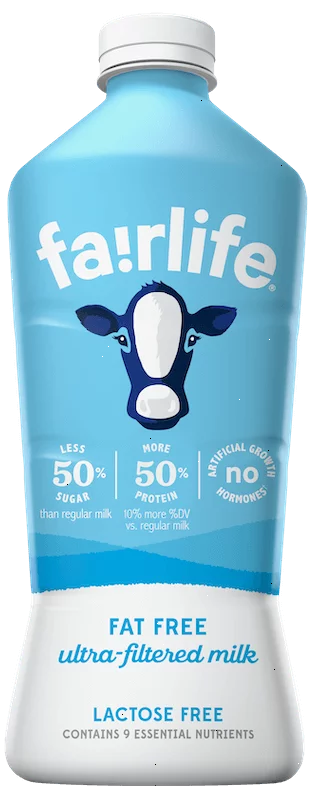
Ultra-filtered milk, on the other hand, is naturally low in lactose (about 50% less than regular milk), making it easier on the stomach for those with lactose intolerance. While it doesn’t contain probiotics, its gentle digestion can reduce gut discomfort. For individuals with IBS or lactose sensitivity, ultra-filtered milk often causes fewer issues than Greek yogurt. Fairlife’s entire line of ultra-filtered milk, including the FAT FREE ULTRA-FILTERED MILK, is lactose-free, offering a stomach-friendly alternative without sacrificing protein.
Which Is Better for Your Gut?
- Choose Greek yogurt if you can tolerate lactose and want to boost your probiotic intake for daily gut health.
- Choose ultra-filtered milk if you experience bloating or discomfort from yogurt, or if you prefer a drinkable option that’s gentle on digestion.
Versatility in Your Diet
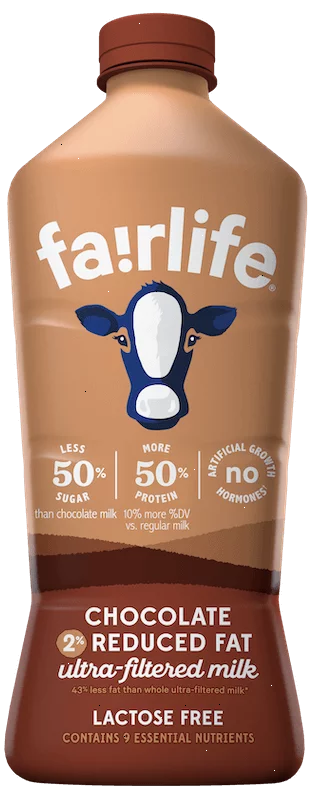
Both products are incredibly versatile, but they shine in different applications. Greek yogurt works beautifully in savory dishes (as a base for dips or dressings), baked goods, and breakfast bowls. Ultra-filtered milk, being a liquid, is perfect for smoothies, coffee, and cereal. For a high-protein smoothie, blend Fairlife’s chocolate ultra-filtered milk with banana and spinach—you’ll get a creamy, protein-packed drink without the need for yogurt. If you’re after a thick, spoonable snack, Greek yogurt is your go-to.
Cost and Convenience
Greek yogurt can be pricey, especially organic or grass-fed varieties. Ultra-filtered milk costs a bit more than regular milk but is generally cheaper per gram of protein than Greek yogurt. For convenience, Fairlife offers single-serve bottles of ultra-filtered milk and Core Power shakes that are perfect for on-the-go recovery. Greek yogurt often requires a spoon and a bowl, making it less portable unless you buy individual cups.
Final Verdict: Which Should You Choose?
There’s no single winner—the best choice depends on your goals. For immediate post-workout recovery with fast-absorbing protein, ultra-filtered milk (or a Core Power shake) is your best bet. For sustained amino acid release and gut-healthy probiotics, Greek yogurt takes the crown. If you’re lactose intolerant, ultra-filtered milk is the clear winner. Many people alternate between both to enjoy the benefits of each.
Ready to supercharge your recovery with a protein-packed drink? Explore the full range of Fairlife products, including the ultra-filtered milk options we discussed, and find your perfect match for muscle health and digestive comfort.