Ultra-Filtered Milk vs. Almond Milk: Which High-Protein Dairy Wins for Everyday Use?
By Fairlife | Published: 2026-06-17
Category: Product Reviews
Compare ultra-filtered milk vs. almond milk on protein, calories, taste, and everyday use. Discover why Fairlife's high-protein dairy options like 2% Reduced Fat Ultra-Filtered Milk and Core Power shakes outshine plant-based alternatives.
When you're standing in the dairy aisle—or scrolling through an online store—the choice between ultra-filtered milk and almond milk can feel surprisingly complex. Both have loyal followings, but they serve fundamentally different nutritional needs. Ultra-filtered milk, like the offerings from Fairlife, uses a cold-filtration process to concentrate protein and reduce sugar while retaining a creamy dairy taste. Almond milk, on the other hand, is a plant-based alternative that's low in calories but often lacking in protein. In this head-to-head comparison, we'll break down protein content, calorie counts, taste profiles, and everyday usability to help you decide which milk deserves a spot in your fridge.
What Is Ultra-Filtered Milk?
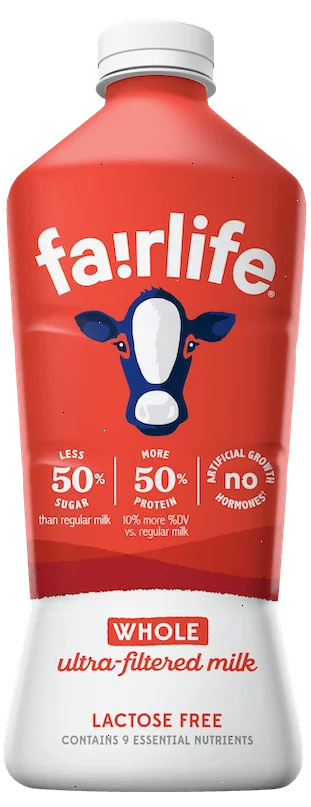
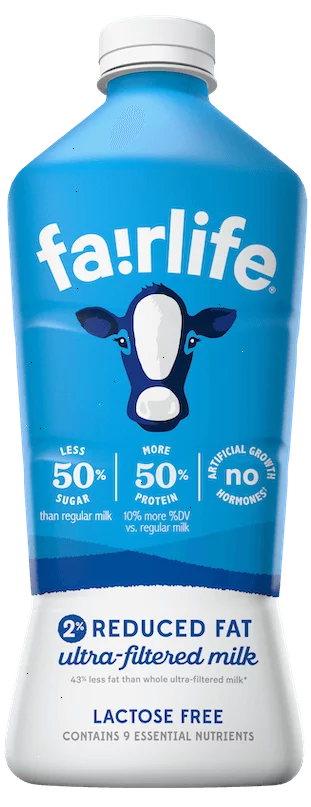
Ultra-filtered milk is not your standard jug of dairy. Through a process that passes milk through fine membranes, water and lactose are removed while protein and calcium are retained. The result is a milk that contains about 50% more protein, half the sugar, and a similar calcium boost compared to regular milk. Fairlife's ultra-filtered line, including the 2% Reduced Fat Ultra-Filtered Milk, delivers 13 grams of protein per 8-ounce serving—a figure that rivals many protein shakes. This makes it a standout choice for athletes, weight-watchers, and anyone seeking a nutrient-dense dairy option without the extra sugar.
What Is Almond Milk?
Almond milk is made by blending almonds with water and straining out the solids. It's naturally low in calories (as low as 30–40 calories per cup for unsweetened varieties) and is a popular choice for those who are lactose intolerant, vegan, or simply prefer a nutty, lighter flavor. However, most commercial almond milks contain just 1 gram of protein per serving, and many are fortified with calcium and vitamin D to match dairy's nutritional profile. While almond milk excels in low-calorie applications, its lack of protein makes it a poor choice for satiety and muscle repair.
Protein Showdown: Ultra-Filtered Milk vs. Almond Milk
Protein is where ultra-filtered milk leaves almond milk in the dust. A single cup of Fairlife's 2% Reduced Fat Ultra-Filtered Milk packs 13 grams of protein—more than double the amount in whole milk and over 12 times the protein in unsweetened almond milk. For context, you'd need to drink roughly 13 cups of almond milk to get the same protein as one cup of ultra-filtered milk. That's a staggering difference, especially for anyone looking to build muscle, recover after workouts, or stay full between meals.
For even higher protein needs, Fairlife's CORE POWERM VANILLAE offers 26 grams of protein in a ready-to-drink shake, making it a convenient option for post-gym nutrition. In contrast, even protein-fortified almond milks rarely exceed 10 grams per serving and often rely on added pea protein or other isolates that may not be as bioavailable as dairy protein.
Calories and Weight Management
Calorie-wise, almond milk wins the low-calorie debate. Unsweetened almond milk typically contains 30–40 calories per cup, while Fairlife's 2% Reduced Fat Ultra-Filtered Milk contains about 120 calories per cup. If your primary goal is calorie restriction, almond milk is the lighter choice. However, those 120 calories from ultra-filtered milk come with 13 grams of protein, which promotes satiety and can help you eat less overall. A study published in the American Journal of Clinical Nutrition found that high-protein diets increase feelings of fullness, meaning the extra calories from ultra-filtered milk might actually support weight loss by curbing snacking later in the day. For active individuals, the trade-off is well worth it.
Taste and Texture: Real Dairy vs. Nut Water
Taste is subjective, but most people agree that ultra-filtered milk mimics the creamy, rich mouthfeel of traditional dairy milk—without the watery or grainy texture that almond milk can sometimes have. Fairlife's ultra-filtered milk is often described as “cleaner” and “fresher” than regular milk because the filtration process removes off-flavors. In coffee, ultra-filtered milk creates a velvety latte without curdling, while almond milk can separate or add a nutty aftertaste.
Almond milk lovers appreciate its light, slightly sweet flavor (especially in vanilla varieties) and its compatibility with smoothies and cereals. But when it comes to cooking—think creamy sauces, baked goods, or even mac and cheese—ultra-filtered milk holds up far better. Its natural emulsifiers and protein structure prevent separation, whereas almond milk can lead to watery results. For everyday drinking, both have their fans, but if you crave that full dairy experience, ultra-filtered milk is the clear winner.
Nutritional Table: Quick Comparison
| Nutrient (per 8 oz) | Ultra-Filtered Milk (2%) | Unsweetened Almond Milk |
|---|---|---|
| Calories | 120 | 30–40 |
| Protein | 13 g | 1 g |
| Total Sugar | 6 g | 0 g (unsweetened) |
| Calcium | 30% DV | 45% DV (fortified) |
| Vitamin D | 15% DV | 25% DV (fortified) |
| Lactose | Low (lactose-free) | Lactose-free |
| Fat | 5 g | 2.5 g |
As the table shows, ultra-filtered milk dominates in protein while almond milk wins on calories. Your choice depends on your priorities: protein and satiety vs. minimal calories.
Sugar Content: Hidden Sweetness
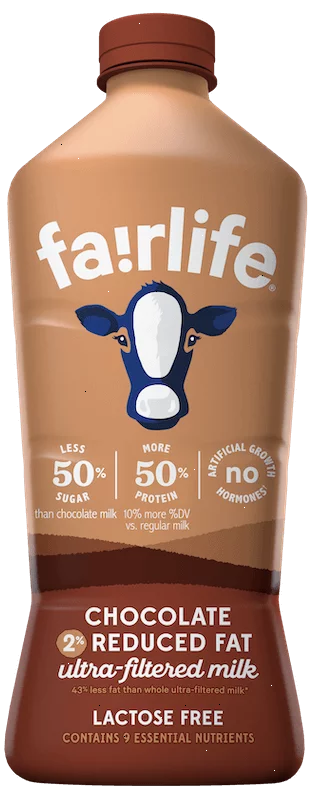
Many flavored almond milks are loaded with added sugar—some contain up to 17 grams of sugar per cup. Fairlife's ultra-filtered milk, even in chocolate flavors like the CHOCOLATE NUTRITION PLAN, keeps sugar relatively low thanks to the filtration process that reduces lactose. Unsweetened almond milk has zero sugar, which is excellent for diabetics or keto dieters. But if you're craving a sweet, creamy drink without the sugar spike, ultra-filtered milk's natural sweetness from retained lactose (about 6 grams) is a healthier middle ground than syrupy almond milk alternatives.
Everyday Use: Which One Fits Your Routine?
For morning coffee, ultra-filtered milk froths beautifully and adds a satisfying richness. For cereal, both work, but ultra-filtered milk stays creamy while almond milk can make cereal soggy faster. In smoothies, almond milk keeps calorie counts low, but ultra-filtered milk adds a protein boost that turns your smoothie into a meal. If you're baking, ultra-filtered milk's higher protein content helps structure baked goods, while almond milk may require adjustments to liquid ratios. And for post-workout recovery, ultra-filtered milk—especially the Core Power lineup—is a no-brainer, delivering rapid-absorption casein and whey protein that supports muscle repair.
Lactose Intolerance and Allergies
Both options are lactose-free, making them suitable for the majority of lactose-intolerant individuals. However, almond milk is nut-based, so it's not safe for those with tree nut allergies. Ultra-filtered milk remains dairy, so anyone with a milk protein allergy (casein or whey) will need to avoid it. For those who simply have trouble digesting lactose, Fairlife's filtration process removes most lactose, making it gentle on the stomach.
Environmental and Cost Considerations
Almond milk has a lower carbon footprint than dairy milk but requires significant water to grow almonds—especially in drought-prone regions like California. Dairy farming, including ultra-filtered milk production, has a higher overall environmental impact per gallon. On cost, ultra-filtered milk is typically more expensive than both regular milk and almond milk (about $4–$6 per half-gallon vs. $3–$4 for almond milk). However, considering the protein density of ultra-filtered milk, the cost per gram of protein is actually competitive with protein powders and bars.
Final Verdict: Which Milk Should You Choose?
If your priority is high protein, satiety, and a creamy taste for cooking or drinking, ultra-filtered milk from Fairlife is the superior choice. It offers unmatched nutritional density for those with active lifestyles or weight management goals. If you're strictly counting calories, need a nut-based alternative, or want a light addition to smoothies, unsweetened almond milk may suit you better. For many people, the answer isn't either/or—it's using both for different occasions.
Ready to Upgrade Your Milk?
Experience the difference that 13 grams of protein per cup can make in your daily routine. Try 2% Reduced Fat Ultra-Filtered Milk from Fairlife and discover why athletes, families, and nutrition enthusiasts are making the switch. Whether you pour it over cereal, blend it into a post-workout shake, or enjoy it straight from the glass, you'll taste the quality of cold-filtration in every sip.