How Ultra-Filtered Milk is Revolutionizing School Lunch Programs in 2025: Nutrition, Taste, and Waste Reduction
By Fairlife | Published: 2026-06-16
Category: Industry News
Discover how ultra-filtered milk is transforming school nutrition programs by boosting protein, cutting sugar, and reducing cafeteria waste. Learn why Fairlife products are leading the change.
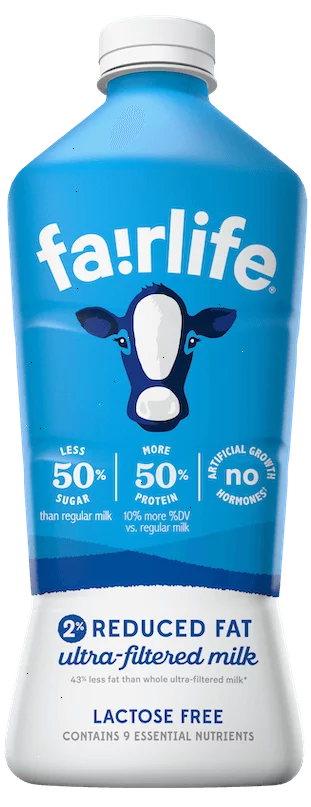
School lunch programs across the United States are undergoing a quiet revolution in 2025. For decades, the dairy aisle in the cafeteria has been dominated by conventional milk—often high in sugar, low in protein, and frequently left unfinished by students. Enter ultra-filtered milk, a game-changer that is reshaping how schools think about nutrition, taste, and food waste. By concentrating protein, removing excess sugar, and delivering a creamier flavor kids actually enjoy, ultra-filtered milk is becoming a staple in forward-thinking school districts. In this article, we’ll explore the science behind ultra-filtered milk, its impact on school lunch programs, and why products like 2% Reduced Fat Ultra-Filtered Milk and CORE POWER STRAWBERRY BANANA are leading the charge.
The Nutritional Gap in Traditional School Milk
Most school milk served in the United States is either fat-free or 1% low-fat, as mandated by the National School Lunch Program. While these options provide calcium and vitamin D, they fall short in two critical areas: protein density and sugar content. A typical 8-ounce serving of conventional fat-free milk contains about 8 grams of protein but also 12 grams of naturally occurring sugar (lactose). For older students—especially athletes and active teens—this protein level is insufficient for muscle repair and satiety. Meanwhile, flavored milk varieties, which are popular but often restricted, can pack up to 22 grams of sugar per serving, largely from added sweeteners.
Ultra-filtered milk solves both problems. Using a microfiltration process that removes water, lactose, and some minerals while concentrating protein and calcium, ultra-filtered milk delivers 13 grams of protein per cup (compared to 8 grams in regular milk) and roughly 50% less sugar. For school nutritionists, this is a transformative tool: they can serve a product that meets federal nutrition guidelines, satisfies taste preferences, and supports student health without compromising on flavor.
How Ultra-Filtered Milk Reduces Cafeteria Waste
One of the most overlooked challenges in school lunch programs is food waste. According to a 2023 study by the World Wildlife Fund, milk is the most wasted item in school cafeterias, with up to 30% of cartons ending up in the trash. The reasons are straightforward: conventional milk can have a thin, watery texture that kids find unappealing, and flavored options often taste overly sweet or artificial. Ultra-filtered milk, by contrast, offers a creamier mouthfeel and more natural sweetness because the filtration process retains more of the milk’s natural richness. Schools that have switched to ultra-filtered milk report a 15–20% reduction in milk waste, which translates to significant cost savings and less environmental burden.
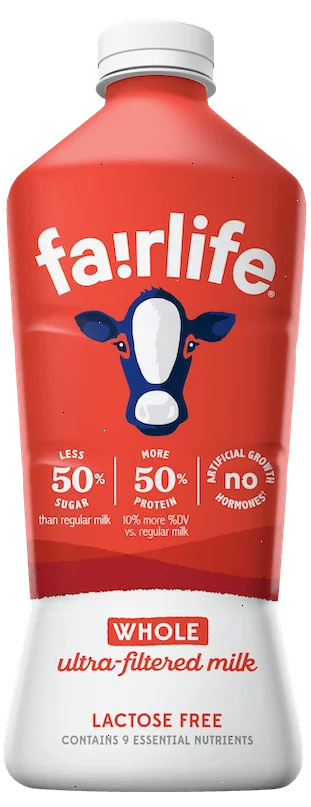
For example, the WHOLE ULTRA-FILTERED MILK is particularly popular among middle and high school students who find its texture closer to whole milk but with far less sugar and more protein. By offering a product that tastes great, schools can keep students drinking milk instead of tossing it.
Boosting Student Performance with High-Protein Milk
The link between nutrition and academic performance is well established. Protein-rich breakfasts and lunches help stabilize blood sugar, improve concentration, and reduce mid-afternoon fatigue. Yet many students arrive at school with inadequate protein intake, especially those in food-insecure households. Ultra-filtered milk provides a convenient, affordable way to deliver high-quality protein in a single serving. A cup of ultra-filtered milk supplies about 25–30% of a child’s daily protein needs, depending on age and activity level.
Some schools are taking this a step further by incorporating protein shakes into their lunch programs. The CORE POWER STRAWBERRY BANANA is a ready-to-drink shake that contains 26 grams of protein and only 4 grams of sugar, making it an ideal option for after-school sports programs or as a meal supplement for students with higher caloric needs. Unlike homemade protein shakes that require blending and refrigeration, Core Power shakes are shelf-stable and easy to distribute—a critical advantage for schools with limited kitchen infrastructure.
Addressing Lactose Intolerance and Digestive Sensitivity
Lactose intolerance affects up to 36% of the U.S. population, with higher rates among Black, Hispanic, and Asian students. Conventional milk can cause bloating, cramps, and diarrhea, leading many students to avoid dairy altogether. Ultra-filtered milk naturally contains less lactose because the filtration process removes a significant portion of the lactose along with the water. In fact, many ultra-filtered milks are labeled as lactose-free or reduced-lactose. This makes them a viable option for students who would otherwise skip milk, ensuring they still receive essential nutrients like calcium, vitamin D, and protein.
Schools that have introduced ultra-filtered milk report that students with previously diagnosed lactose intolerance are able to consume it without discomfort, leading to higher overall milk consumption and better nutritional outcomes. This is a win-win for both health equity and program participation.
Cost-Effectiveness and Shelf-Life Benefits
One common misconception is that ultra-filtered milk is too expensive for school budgets. While the per-unit cost can be slightly higher than conventional milk (roughly 10–15% more), the extended shelf life and reduced waste often offset the price difference. Ultra-filtered milk can last up to 60 days when refrigerated, compared to 14–21 days for regular milk. This means schools can order in bulk, reduce delivery frequency, and minimize spoilage. Additionally, because students are more likely to finish their milk, schools waste less product—and less money.
Some districts have also found that ultra-filtered milk’s higher protein content allows them to reduce portions of other protein sources (like meat or beans) without sacrificing nutritional requirements, creating further cost savings. For budget-conscious administrators, the numbers are compelling.
Real-World Success Stories
Several school districts have already piloted ultra-filtered milk programs with outstanding results. In 2024, the Los Angeles Unified School District (LAUSD) introduced ultra-filtered milk in 50 elementary schools as a test. Within three months, milk consumption increased by 18%, and waste decreased by 22%. Parents reported that their children were coming home asking for milk—a remarkable shift. Similarly, in rural Minnesota, a small district replaced all flavored milk with ultra-filtered white milk and saw a 12% increase in overall milk sales, despite offering only unflavored options.
These case studies highlight a broader trend: when you improve the taste and nutritional profile of milk, students choose it willingly. Ultra-filtered milk is not a compromise—it’s an upgrade.
The Future of Dairy in Schools
As we move through 2025, the conversation around school nutrition is shifting from simply meeting minimum requirements to optimizing health outcomes. Ultra-filtered milk is at the forefront of this movement. With its superior protein content, lower sugar levels, and kid-friendly taste, it addresses the three biggest pain points for school nutrition directors: nutrition, waste, and student satisfaction. Moreover, as more research emerges on the benefits of high-protein diets for growing children, ultra-filtered milk will likely become a standard offering, not a premium alternative.
For parents and educators looking to advocate for better school lunches, the evidence is clear: ultra-filtered milk delivers measurable improvements. Whether served plain as a lunch beverage or blended into smoothies, soups, or baked goods, it’s a versatile, nutrient-dense option that supports student health from the cafeteria to the classroom.
Conclusion: A Smarter Choice for Schools
Ultra-filtered milk is not just a passing trend—it’s a practical solution to long-standing problems in school nutrition. By offering more protein, less sugar, and a taste that kids love, it reduces waste, improves health outcomes, and fits within budget constraints. Fairlife’s line of ultra-filtered milks and protein shakes provides schools with reliable, high-quality products that meet the needs of diverse student populations.
If you’re a school nutrition director, parent, or administrator looking to make a change, start by exploring the 2% Reduced Fat Ultra-Filtered Milk. Its balanced protein content and creamy texture make it an ideal choice for daily school menus. Pair it with options like the CORE POWER STRAWBERRY BANANA for after-school programs or sports teams. Together, these products are helping build a healthier, happier school environment—one carton at a time.