The Future of Dairy: How Ultra-Filtered Milk is Disrupting the Protein Beverage Industry
By Fairlifesale | Published: 2026-06-10
Category: Industry News
Explore how ultra-filtered milk is revolutionizing the protein beverage market with superior nutrition, shelf stability, and versatility. Discover the technology behind Fairlife’s innovation and why it’s a 2025 trendsetter.
For decades, the dairy aisle was a quiet corner of the grocery store. But in 2025, a protein beverage revolution is unfolding—and it’s being driven by a technology that sounds like science fiction: ultra-filtered milk. This isn’t just another lactose-free option or a low-fat fad. Ultra-filtered milk represents a fundamental shift in how we think about dairy: more protein, less sugar, and a longer shelf life—all without sacrificing taste. For consumers, athletes, and food manufacturers alike, this innovation is reshaping the $20 billion protein beverage market. In this article, we’ll dive into the science, the market trends, and the products leading this disruption—including key offerings from Fairlife, a brand at the forefront of ultra-filtered dairy.
What Is Ultra-Filtered Milk and Why Does It Matter?
Ultra-filtered milk starts as regular milk but is passed through a series of fine membranes that separate out water, lactose, and some minerals, while retaining the larger protein and fat molecules. The result is a liquid that packs roughly twice the protein of conventional milk, half the sugar, and a creamier texture. This process, known as cross-flow microfiltration, is a form of food technology that has quietly been perfected over the past decade. In 2025, it’s finally hitting the mainstream.
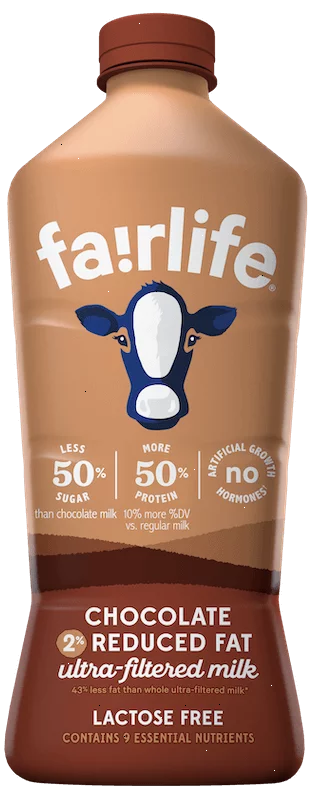
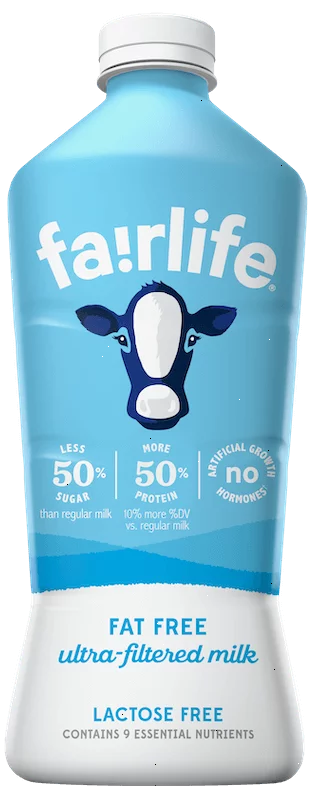
Why does this matter? Because consumers are increasingly seeking high-protein, low-sugar options for everything from post-workout recovery to breakfast cereal. Traditional milk offers about 8 grams of protein per cup; ultra-filtered milk delivers 13 to 15 grams. This makes it a direct competitor to protein shakes, while still being a natural, recognizable ingredient. Brands like Fairlife, which produces CHOCOLATE ULTRA-FILTERED MILK and FAT FREE ULTRA-FILTERED MILK, are capitalizing on this trend by offering products that fit seamlessly into modern diets.
The Technology Behind the Disruption: How Ultra-Filtration Works
To understand why ultra-filtered milk is a game-changer, you need to look under the hood. The process begins with pasteurized skim or whole milk. It’s then pumped through ceramic or polymer membranes with pores small enough to let water, lactose, and salts pass through, while retaining casein and whey proteins. This is similar to the technology used in water purification plants, but optimized for dairy. The result is a concentrated milk protein solution that can be recombined with cream to create a range of fat levels—from fat-free to whole milk.
- Higher protein yield: Typically 13–15g per cup vs. 8g in regular milk.
- Lower sugar: Lactose is partially removed, reducing sugar by about 50%.
- Longer shelf life: Ultra-pasteurization extends shelf life to 60 days or more.
- Better digestibility: Many people with mild lactose intolerance can tolerate ultra-filtered milk.
This technology isn’t just a gimmick—it’s a response to the rising demand for dairy innovation. In 2025, consumers are more educated about nutrition and are looking for functional foods that deliver real benefits. Ultra-filtered milk fits the bill perfectly.
Market Trends in 2025: Why Ultra-Filtered Milk Is Gaining Ground
The protein beverage market has been dominated by whey powders, plant-based shakes, and RTD (ready-to-drink) products. But ultra-filtered milk is carving out a unique niche. According to recent industry reports, the global ultra-filtered milk market is expected to grow at a CAGR of 8–10% through 2030. Drivers include:
- Clean label demand: Consumers want ingredients they recognize. Ultra-filtered milk is just milk—no additives, no gums, no artificial sweeteners.
- Versatility: It can be used in coffee, smoothies, cooking, and drinking straight—unlike many protein powders that clump or change texture.
- Cost efficiency: While slightly more expensive than regular milk, it’s often cheaper than protein shakes on a per-gram-of-protein basis.
- Sustainability: Ultra-filtration uses less water and reduces waste compared to protein extraction for powders.
Fairlife is one of the pioneers in this space, offering a full line of ultra-filtered milk products that cater to different needs. For example, CHOCOLATE 14oz ultra-filtered milk is an excellent grab-and-go option for busy professionals who need a protein boost without the sugar crash.
How Ultra-Filtered Milk Compares to Traditional Protein Beverages
Let’s put numbers on the table. The table below compares a typical 8-ounce serving of ultra-filtered milk, regular milk, and a popular whey protein shake:
| Beverage | Calories | Protein (g) | Sugar (g) | Fat (g) | Cost per serving |
|---|---|---|---|---|---|
| Ultra-filtered milk (2%) | 130 | 13 | 6 | 5 | $0.60 |
| Regular 2% milk | 120 | 8 | 12 | 5 | $0.35 |
| Whey protein shake (RTD) | 150 | 25 | 2 | 3 | $1.50 |
While a whey shake offers more protein, it often comes with a higher price tag and a list of additives. Ultra-filtered milk strikes a balance: it’s a whole food, naturally high in protein, and affordable. For athletes who want a clean, simple option, it’s an ideal choice. And for those who prefer chocolate flavor without the artificial stuff, the CHOCOLATE ULTRA-FILTERED MILK from Fairlife delivers a rich taste with only 6 grams of sugar—less than half of a typical chocolate milk.
Why Athletes and Health-Conscious Consumers Are Switching
One of the biggest shifts in the protein beverage industry is the move away from powders and toward liquid, ready-to-consume products. Ultra-filtered milk fits this trend perfectly. It’s portable, doesn’t require mixing, and provides a steady release of amino acids. For endurance athletes, the lower sugar content means less risk of post-workout insulin spikes. For bodybuilders, the high casein content supports muscle repair overnight.
Moreover, ultra-filtered milk is naturally rich in calcium, vitamin D, and potassium—nutrients that are often lacking in protein shakes. This makes it a more complete nutritional package. In fact, many sports nutritionists now recommend ultra-filtered milk as a recovery drink, especially for athletes with sensitive stomachs who can’t tolerate whey isolates.
Challenges and Controversies: Is Ultra-Filtered Milk Too Processed?
No innovation comes without critics. Some purists argue that ultra-filtered milk is “over-processed” and that the filtration process removes beneficial compounds like immunoglobulins. However, research shows that the protein and mineral fractions remain largely intact. The main difference is that lactose is partially removed and water is reduced—both of which are benefits for many consumers. Fairlife products are also pasteurized, which is standard for all commercial milk, so safety is not a concern.
Another point of debate is cost. Ultra-filtered milk typically costs 50–70% more than regular milk. But when you consider the protein density, it’s often more cost-effective per gram of protein. For example, a serving of FAT FREE ULTRA-FILTERED MILK provides 13g of protein for around $0.60, while a serving of whey protein powder might cost $1.00 for the same amount.
What’s Next? The 2025 and Beyond Outlook
Looking ahead, ultra-filtered milk is poised for even greater disruption. We’re already seeing its use in high-protein ice creams, yogurts, and even cheese. The technology is also being adapted for plant-based milks (like ultra-filtered oat milk), though with less success due to lower protein content. In the dairy industry, the race is on to develop even more efficient membranes that can reduce energy costs by 30–40%.
For consumers, the biggest change will be in availability. By 2026, expect ultra-filtered milk to be a standard option in almost every grocery store, not just specialty markets. And as competition increases, prices will likely come down, making it accessible to a broader audience. The dairy innovation that started with Fairlife is now being adopted by mainstream dairies, signaling a permanent shift in the landscape.
How to Incorporate Ultra-Filtered Milk Into Your Daily Routine
If you’re new to ultra-filtered milk, here are three easy ways to start:
- Morning coffee: Use it as a creamer—it adds protein without thinning your coffee.
- Smoothies: Blend it with frozen fruit and a handful of spinach for a high-protein breakfast.
- Post-workout: Drink a glass within 30 minutes of exercise for optimal recovery.
For those who prefer a ready-made option, Fairlife’s CHOCOLATE 14oz ultra-filtered milk is perfect for tossing in a gym bag. It’s also great for kids who need an after-school snack without the sugar.
Conclusion: A New Era for Dairy
Ultra-filtered milk is more than a trend—it’s a technological breakthrough that addresses the core needs of modern consumers: more protein, less sugar, and clean ingredients. As the protein beverage market continues to evolve, this innovation will likely become a staple in kitchens and gyms worldwide. Fairlife is leading the charge with products that taste great and deliver real nutrition. Whether you’re an athlete, a busy parent, or someone simply looking to eat better, ultra-filtered milk offers a simple upgrade to your daily diet.
Ready to experience the future of dairy? Explore the CHOCOLATE ULTRA-FILTERED MILK from Fairlife and discover why it’s becoming the go-to choice for protein lovers everywhere.