The Science Behind Ultra-Filtered Milk: How Cold Filtration Preserves Protein and Flavor
By Fairlifesale | Published: 2026-06-12
Category: Industry News
Discover the cold filtration technology behind ultra-filtered milk. Learn how this dairy innovation preserves protein, flavor, and freshness better than traditional pasteurization.
In the rapidly evolving world of dairy, few innovations have generated as much excitement as ultra-filtered milk. Unlike conventional milk, which undergoes heat-based pasteurization that can degrade sensitive proteins and alter taste, ultra-filtered milk relies on a sophisticated cold filtration process. This technology not only concentrates protein and calcium while reducing sugar but also preserves the natural flavor profile of fresh milk. In this article, we'll break down the science behind ultra-filtered milk technology, explain how cold filtration works, and show why it matters for your health and your kitchen.
What Is Ultra-Filtered Milk? A Quick Primer
Ultra-filtered milk is not a substitute or a plant-based alternative—it is real dairy milk that has been passed through fine membranes to separate its components. The process removes some of the water, lactose, and minerals, while retaining and concentrating the protein, calcium, and other desirable nutrients. The result is a milk that packs roughly twice the protein and half the sugar of regular milk, with a creamier texture and a clean, sweet taste that doesn't require added sugars or thickeners.
The Core Process: Cold Filtration Explained
The key to ultra-filtered milk's nutritional superiority lies in cold filtration. Unlike traditional pasteurization, which heats milk to at least 161°F for 15 seconds (high-temperature short-time pasteurization), cold filtration uses a series of membrane filters at low temperatures—typically below 50°F. These membranes have microscopic pores that allow water, lactose, and some minerals to pass through, while retaining larger molecules like proteins, fats, and casein micelles.
This method is far gentler on milk's delicate proteins. Heat can denature whey proteins, causing them to lose their biological activity and sometimes develop a cooked or burnt flavor. Cold filtration avoids this entirely, preserving the native structure of proteins such as beta-lactoglobulin and alpha-lactalbumin, which are prized for their amino acid profiles and digestibility. The result is a milk that tastes fresher, even after extended shelf life, and delivers a more complete protein package.
How Cold Filtration Differs from Pasteurization
While cold filtration is the star of the show, it's important to note that ultra-filtered milk is still pasteurized—just at a lower temperature or for a shorter duration. The combination of cold filtration followed by gentle pasteurization ensures microbial safety without compromising quality. Table 1 below summarizes the key differences between traditional pasteurization and the ultra-filtration process used in premium dairy products.
| Parameter | Traditional Pasteurization | Ultra-Filtration + Gentle Pasteurization |
|---|---|---|
| Temperature | 161°F (72°C) for 15 sec | ~145°F (63°C) for 30 sec (or lower) |
| Protein retention | ~85-90% (some denaturation) | ~98-99% (minimal denaturation) |
| Lactose reduction | None | ~50% removed via filtration |
| Shelf life (unopened) | ~2-3 weeks | ~4-6 weeks (due to reduced microbial load) |
| Flavor impact | Mild cooked note possible | Fresh, clean, sweet taste |
Protein Preservation: Why It Matters
Milk protein is one of the most bioavailable sources of essential amino acids. But heat can damage the structure of whey proteins, reducing their solubility and digestibility. Cold filtration preserves the native conformation of these proteins, ensuring they remain highly soluble in liquids and easily broken down by digestive enzymes. This is especially important for athletes and individuals using milk as a post-workout recovery drink or meal replacement.
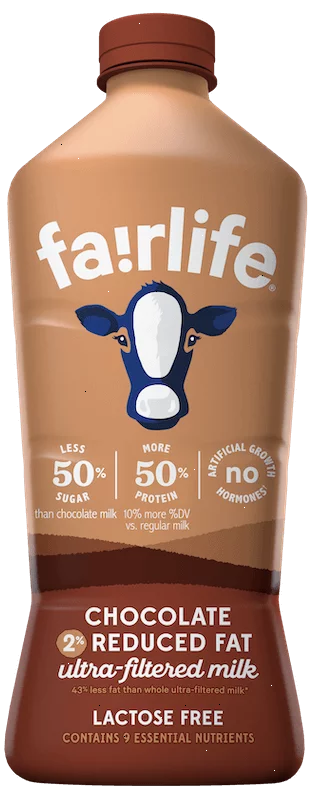
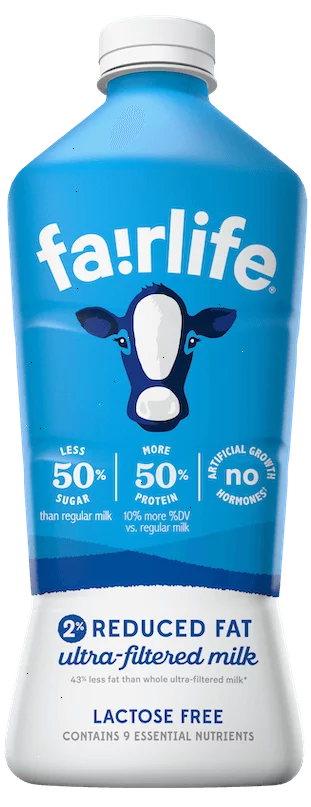
For example, the CHOCOLATE ULTRA-FILTERED MILK delivers 13 grams of protein per 8-ounce serving with only 6 grams of sugar, thanks to the cold filtration process that naturally concentrates the protein while removing excess lactose. Similarly, the 2% Reduced Fat Ultra-Filtered Milk offers the same high-protein, low-sugar profile in a versatile everyday milk that works great in coffee, cereal, or cooking.
Flavor Preservation: The Cold Filtration Advantage
Anyone who has tasted ultra-filtered milk for the first time often remarks on how sweet it tastes without added sugar. This sweetness comes from the natural lactose that remains after filtration—but because the overall sugar concentration is lower, the perceived sweetness is actually due to the balance of minerals and proteins. Heat-based processing can cause Maillard reactions (browning) that produce off-flavors, especially in chocolate or flavored milks. Cold filtration eliminates these reactions, so the milk retains its pure, fresh dairy taste.
This flavor advantage is particularly noticeable in products like the CORE POWER ELITE CHOCOLATE, which uses ultra-filtered milk as a base. The chocolate flavor comes through clean and rich, without any cooked or caramelized notes. Similarly, the CORE POWERM VANILLAE showcases a smooth, natural vanilla taste that relies on the quality of the milk base rather than heavy masking with sugars or artificial flavors.
Dairy Innovation: How Fairlife Uses Cold Filtration
Fairlife, the brand behind many ultra-filtered milk products, has patented a multi-step filtration process that combines cold filtration with selective concentration. The process starts with fresh milk from cows that are not treated with artificial growth hormones. The milk is separated into its components—water, fat, protein, lactose, and minerals—using a series of ceramic and polymer membranes. The protein-rich fraction is then recombined with adjusted fat levels and a reduced lactose content, before undergoing gentle pasteurization.
This innovation has disrupted the protein beverage industry by offering a product that is both nutrient-dense and delicious. It also supports sustainability, because the process uses less water and energy per gallon of finished product compared to traditional evaporation methods used to concentrate milk.
Practical Applications for Home Cooks and Athletes
Because ultra-filtered milk retains its fresh flavor and high protein content, it is incredibly versatile. You can use it in smoothies, coffee, baking, or simply drink it straight. Its lower sugar content makes it a smart choice for those managing blood sugar levels, while its higher protein helps with satiety and muscle repair. Many people find it works well in creamy soups, sauces, and even homemade yogurt, as the preserved proteins help create a thicker texture without added thickeners.
Frequently Asked Questions About Cold Filtration
Is cold filtration the same as pasteurization?
No. Cold filtration is a physical separation process, while pasteurization is a heat-based pathogen reduction step. Most ultra-filtered milk undergoes both, but the filtration happens first, allowing for a gentler pasteurization afterward.
Does cold filtration remove all lactose?
No. It removes about 50% of the lactose, which is enough to make the milk easier to digest for many people with lactose sensitivity, but not enough for those with severe lactose intolerance. However, the remaining lactose is often better tolerated because the protein structure is intact, reducing digestive stress.
Why does ultra-filtered milk cost more?
The multi-step filtration process requires specialized equipment and more time than standard processing. However, the nutritional benefits—double the protein, half the sugar, and a fresher taste—often justify the premium for health-conscious consumers.
Conclusion: A Smarter Way to Enjoy Dairy
The science behind ultra-filtered milk is a testament to how modern food technology can improve both nutrition and taste. Cold filtration is not just a gimmick—it's a genuine breakthrough that preserves the best parts of milk while removing the less desirable components. Whether you're an athlete looking for a high-protein recovery drink, a parent seeking a healthier milk for your family, or a foodie who appreciates clean flavor, ultra-filtered milk offers a compelling option.
Ready to taste the difference? Explore the full range of ultra-filtered milk products at Fairlifesale and discover why cold filtration is changing the dairy aisle. For a rich, chocolatey treat with 26 grams of protein per bottle, check out the CORE POWER ELITE CHOCOLATE—perfect for post-workout recovery or a satisfying snack.