The Rise of Ultra-Filtered Milk in 2025: Market Trends and Consumer Preferences Driving Dairy Innovation
By Fairlifesale | Published: 2026-06-08
Category: Industry News
Explore the explosive growth of ultra-filtered milk in 2025, from fairlife market growth to shifting consumer preferences for high-protein dairy. Learn key trends driving the industry.
The dairy aisle has undergone a remarkable transformation over the past decade, and no product exemplifies this shift better than ultra-filtered milk. Once a niche offering for fitness enthusiasts, ultra-filtered milk has surged into the mainstream, capturing the attention of health-conscious consumers, meal-preppers, and even casual shoppers. As we move through 2025, the momentum shows no signs of slowing. In this article, we dive deep into the ultra-filtered milk trends 2025, explore the drivers behind fairlife market growth, and examine what the future holds for the high-protein milk industry and dairy innovation trends.
What Is Ultra-Filtered Milk and Why Is It Booming?
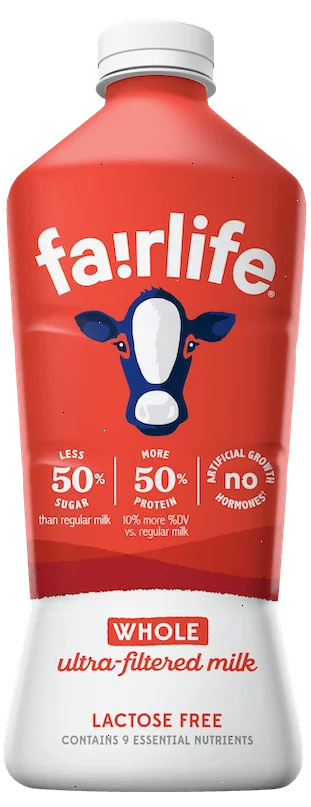
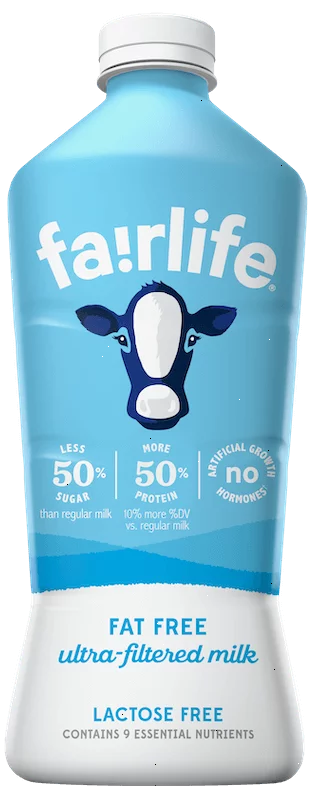
Ultra-filtered milk is produced by passing regular milk through a fine filtration process that concentrates protein and calcium while removing much of the lactose and sugar. The result is a creamy, nutrient-dense beverage that typically contains 50% more protein, 50% less sugar, and significantly more calcium than conventional milk. This nutritional profile aligns perfectly with modern consumer demands for cleaner labels, higher protein intake, and lower sugar consumption.
In 2025, the ultra-filtered milk segment is experiencing double-digit growth year over year. According to industry analysts, the global high-protein milk market is projected to reach $8.5 billion by 2028, with ultra-filtered varieties capturing an increasing share. Brands like Fairlife have been at the forefront of this movement, leveraging advanced filtration technologies to create products that appeal to athletes, families, and anyone seeking better-for-you dairy options.
Key Market Drivers Behind the 2025 Surge
1. Consumer Shift Toward High-Protein Diets
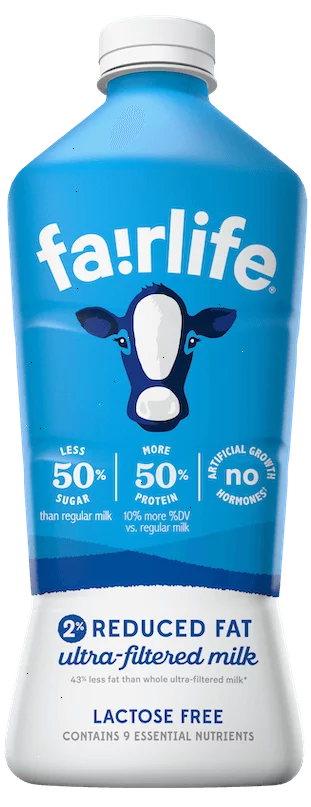
Protein has become a buzzword in nutrition, and for good reason. From weight management to muscle recovery, the benefits of a protein-rich diet are well-documented. Ultra-filtered milk offers a convenient, delicious way to boost daily protein intake without the need for powders or supplements. A single 14-ounce serving of 2% REDUCED FAT 14oz ultra-filtered milk provides 13 grams of high-quality protein—more than double that of regular milk—making it an easy swap for cereal, smoothies, or coffee.
2. Lactose Intolerance and Digestive Wellness
Lactose intolerance affects approximately 68% of the global population, yet many people still crave the taste and nutrition of real dairy. Ultra-filtered milk solves this problem by removing most of the lactose during filtration, resulting in a product that is gentle on the stomach while retaining all the essential nutrients. This has opened up a massive new consumer base among those who previously avoided dairy. Brands that emphasize digestive comfort alongside protein content are seeing particularly strong traction.
3. Clean Label and Minimal Processing Appeal
Today’s shoppers are savvier than ever, reading ingredient lists and seeking products with recognizable components. Ultra-filtered milk is typically free from artificial additives, gums, and stabilizers—just milk, vitamins, and enzymes. This clean label positioning resonates strongly with parents, fitness enthusiasts, and anyone avoiding ultra-processed foods. The transparency of the filtration process (a physical separation, not chemical) further boosts consumer trust.
Fairlife Market Growth: A Case Study in Innovation
No discussion of ultra-filtered milk trends would be complete without examining Fairlife, the brand that essentially defined the category. Founded in 2012, Fairlife has grown from a small startup to a billion-dollar enterprise, with distribution across major retailers like Walmart, Target, and Costco. In 2025, Fairlife continues to expand its product lines, including flavored options and ready-to-drink protein shakes.
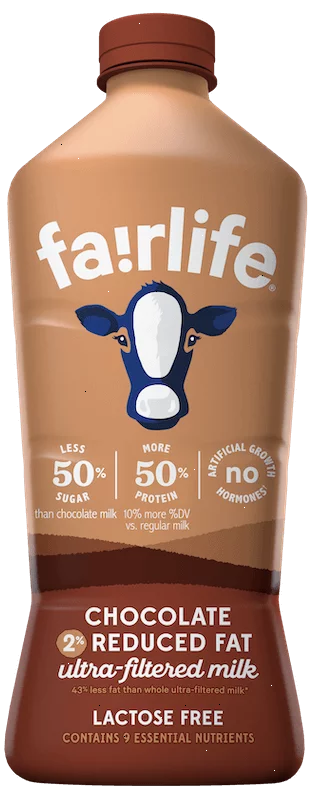
A standout in their portfolio is the CORE POWER ELITE CHOCOLATE, which packs 42 grams of protein per bottle—ideal for serious athletes and bodybuilders. Meanwhile, the CHOCOLATE ULTRA-FILTERED MILK offers a more moderate 13 grams of protein per serving, perfect for everyday snacking or post-workout recovery without the heaviness of a full shake. This segmentation allows Fairlife to capture multiple consumer segments simultaneously.
Consumer Preferences Shaping the High-Protein Milk Industry
Flavor Innovation Beyond Chocolate and Vanilla
While classic flavors remain popular, 2025 has seen a surge in demand for variety. Strawberry, banana, and even seasonal limited-edition flavors are driving repeat purchases. The CORE POWER STRAWBERRY BANANA has developed a cult following among those who want a fruit-forward protein boost without artificial aftertaste. Similarly, STRAWBERRY FAT 14oz ultra-filtered milk is gaining popularity in lunchboxes and as a post-gym treat.
Convenience Packaging for On-the-Go Lifestyles
Modern consumers value convenience above almost everything else. Single-serve bottles, multipacks, and resealable cartons are essential for capturing the busy shopper. The 14-ounce size has emerged as the sweet spot—large enough for a satisfying drink or cereal topping, but compact enough for a gym bag or office desk. Ready-to-drink protein shakes like Core Power are also thriving, offering grab-and-go nutrition that requires no mixing or refrigeration until opened.
Subscription and Direct-to-Consumer Models
E-commerce platforms are increasingly important for ultra-filtered milk sales. Subscription services that deliver weekly or monthly supplies directly to consumers’ doors are gaining traction, particularly among meal-preppers and fitness enthusiasts who value consistency. Fairlifesale, for instance, offers convenient online ordering with home delivery, ensuring customers never run out of their favorite high-protein dairy products.
Dairy Innovation Trends to Watch Beyond 2025
Functional Fortifications
The next wave of innovation involves adding functional ingredients like probiotics, vitamin D, omega-3s, and even collagen to ultra-filtered milk. These enhance the health halo and differentiate products in a crowded market. Early adopters are already experimenting with “super-milk” blends that combine ultrafiltration with added benefits for gut health, immunity, and skin.
Sustainability and Ethical Sourcing
Younger consumers, especially Gen Z and Millennials, are prioritizing brands that demonstrate environmental responsibility. Ultra-filtered milk inherently has a lower carbon footprint per gram of protein than traditional milk because it requires fewer cows and less land to produce the same amount of protein. Brands that transparently communicate their sustainability metrics—water usage, feed efficiency, and waste reduction—are winning loyalty.
Plant-Based and Hybrid Blends
While ultra-filtered milk is a dairy product, some companies are exploring hybrid blends that combine cow’s milk with plant-based proteins like pea or oat. These products aim to attract flexitarian consumers who want the nutritional benefits of dairy with a lower environmental impact. However, the core ultra-filtered segment remains firmly rooted in real milk, and its natural nutritional density is hard to replicate.
How Retailers and Brands Can Capitalize on These Trends
For retailers, the message is clear: allocate more shelf space to ultra-filtered milk and its derivatives. Position them prominently in the dairy section, near yogurt and cottage cheese, and consider cross-merchandising with granola, protein powders, and coffee products. For brands, storytelling is key—consumers want to know how the milk is made, why it costs more, and what specific benefits it offers. Educational content, in-store sampling, and social media campaigns that highlight real-life use cases (e.g., post-workout recovery, kid-friendly snacks) drive trial and repeat purchases.
The Bottom Line
The rise of ultra-filtered milk in 2025 is not a passing fad—it’s a structural shift in the dairy industry driven by science-backed consumer preferences for higher protein, lower sugar, and cleaner ingredients. Fairlife’s market growth exemplifies how a single brand can reshape an entire category through relentless innovation and consumer-centric product development. As more shoppers discover the taste and nutrition of ultra-filtered options, the high-protein milk industry will only continue to expand.
Whether you're an athlete looking for rapid recovery, a parent seeking a nutritious school lunch staple, or simply someone who enjoys a glass of creamy, protein-rich milk, now is the perfect time to explore what ultra-filtered milk has to offer. Start your journey by trying the 2% Reduced Fat Ultra-Filtered Milk and experience firsthand why this product is revolutionizing the dairy aisle.