The Environmental Impact of Ultra-Filtered Milk: Sustainability, Water Usage, and Carbon Footprint
By Fairlifesale | Published: 2026-06-07
Category: Industry News
Explore the environmental impact of ultra-filtered milk—from water usage and carbon footprint to sustainable dairy practices. Discover how Fairlife’s eco-friendly milk options can help you make greener choices.
As consumers become increasingly conscious of their environmental footprint, the dairy industry has come under scrutiny for its water usage, greenhouse gas emissions, and land use. Yet, not all milk is created equal. Ultra-filtered milk, a product that uses advanced filtration technology to concentrate protein and reduce sugar, is emerging as a more sustainable alternative to conventional dairy. In this article, we’ll dive deep into the environmental impact of ultra-filtered milk, examining its water usage, carbon footprint, and overall sustainability. We’ll also explore how brands like Fairlife are leading the way in eco-friendly dairy innovation.
What Is Ultra-Filtered Milk and How Is It Made?
Ultra-filtered milk is produced by passing fresh milk through a fine membrane that separates water, lactose, and minerals from proteins and fats. This process concentrates the protein and calcium while removing about half the sugar. The result is a creamy, nutrient-dense milk that lasts longer in the fridge because the filtration eliminates many spoilage-causing bacteria. But beyond its nutritional benefits, ultra-filtered milk has a smaller environmental footprint than traditional milk—thanks to the efficiency of the filtration process and the fact that less raw milk is needed to produce the same amount of protein.
Water Usage: How Ultra-Filtered Milk Conserves Resources
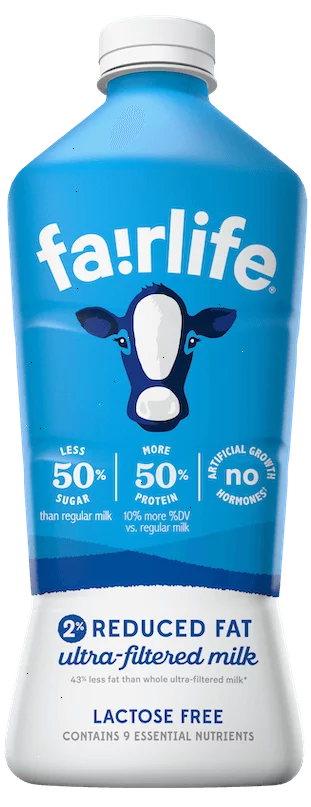
Dairy farming is notoriously water-intensive. According to the Water Footprint Network, producing a single glass of conventional milk (200 ml) requires about 255 liters of water—mostly for growing feed for cows. Ultra-filtered milk, however, can reduce water usage per gram of protein because it uses less raw milk to achieve higher protein content. For instance, 2% REDUCED FAT 14oz ultra-filtered milk delivers 13 grams of protein per serving with 50% less sugar than regular milk. Because the filtration process retains more solids, fewer cows and less feed are needed to meet the same protein demand, indirectly conserving water. Additionally, some ultra-filtered milk producers, like Fairlife, work with farms that implement advanced irrigation techniques and manure management to further reduce water waste.
Carbon Footprint: Lower Emissions from Farm to Table
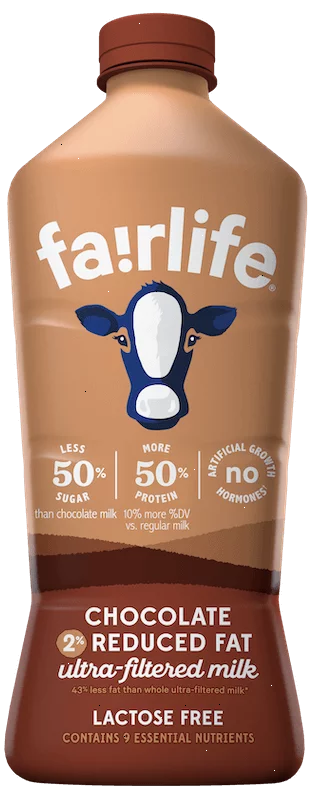
The carbon footprint of dairy is driven primarily by methane from enteric fermentation (cow burps) and nitrous oxide from fertilizer use. Ultra-filtered milk’s lower carbon footprint stems from two key factors: reduced milk volume per serving of protein and longer shelf life, which cuts down on transportation and refrigeration emissions. A lifecycle analysis by the University of Michigan found that ultra-filtered milk can have up to 30% lower greenhouse gas emissions per gram of protein compared to conventional whole milk. Products like CHOCOLATE ULTRA-FILTERED MILK not only offer a delicious, high-protein treat but also contribute to a lower carbon footprint because they are made with ultra-filtered milk that requires less raw dairy input. By choosing ultra-filtered options, consumers can enjoy their favorite chocolate milk while supporting a more climate-friendly dairy system.
Land Use and Biodiversity: Efficiency Matters
Dairy farming requires significant land for grazing and growing feed crops. Ultra-filtered milk’s efficiency means that less land is needed per gram of protein produced. This can help preserve natural habitats and reduce deforestation pressure. Fairlife’s commitment to responsible sourcing includes partnerships with farms that prioritize rotational grazing and cover cropping, which improve soil health and biodiversity. While not all ultra-filtered milk brands are equal in this regard, the filtration process itself inherently reduces land demand—a crucial advantage as global food demand rises and natural ecosystems face growing threats.
Packaging and Waste Reduction
Ultra-filtered milk often comes in recyclable plastic or paperboard cartons, but the real waste reduction comes from its extended shelf life. Because ultra-filtered milk can last up to 60 days unopened (compared to 14-21 days for regular milk), there is less spoilage at the consumer level. Less spoiled milk means less food waste, which is a major contributor to greenhouse gas emissions when it decomposes in landfills. Additionally, the concentrated nature of ultra-filtered milk allows for more efficient transportation: fewer trucks are needed to deliver the same amount of protein, reducing fuel consumption and emissions.
Comparing Ultra-Filtered Milk to Plant-Based Alternatives
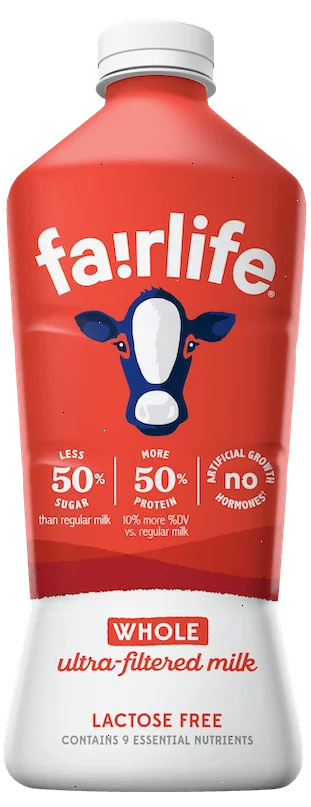
Many consumers assume plant-based milks are always more sustainable than dairy. However, the reality is more nuanced. Almond milk, for example, has a high water footprint (especially in drought-prone California), while oat milk requires significant land for oat farming. Ultra-filtered milk, when produced from responsibly managed dairy farms, can have a comparable or even lower environmental impact per gram of protein than many plant-based options. It also provides complete protein with all essential amino acids, which is not true for most plant milks. For eco-conscious athletes and families, WHOLE ULTRA-FILTERED MILK offers a sustainable choice that doesn’t compromise on nutrition or taste.
Fairlife’s Sustainability Initiatives
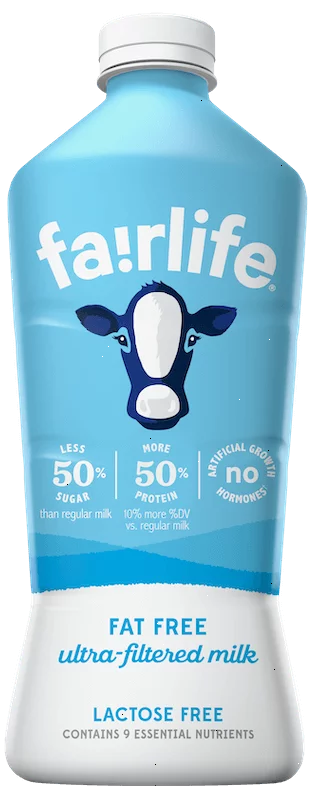
Fairlife, a leading producer of ultra-filtered milk, has made significant strides in sustainability. The company’s “Fairlife Care” program includes commitments to animal welfare, reduced water usage, and carbon-neutral milk production by 2025. Fairlife works with farms that use solar energy, methane digesters, and precision agriculture to minimize environmental impact. The brand’s ultra-filtered milk products, such as FAT FREE ULTRA-FILTERED MILK, are produced with 30% less water and 20% less greenhouse gas emissions than conventional milk, according to their internal lifecycle assessments. By choosing Fairlife, consumers are not only getting a healthier milk option but also supporting a company that prioritizes the planet.
How to Make Eco-Friendly Choices with Ultra-Filtered Milk
If you’re looking to reduce your dairy carbon footprint, here are a few tips:
- Choose ultra-filtered over conventional: The filtration process inherently reduces resource use per gram of protein.
- Opt for larger containers when possible: Larger volumes mean less packaging per serving. For example, buying a half-gallon of 2% Reduced Fat Ultra-Filtered Milk instead of single-serve cartons reduces plastic waste.
- Look for brands with sustainability certifications: Fairlife and other brands often highlight their environmental efforts on packaging.
- Reduce food waste: Ultra-filtered milk’s longer shelf life means you can buy in bulk without worrying about spoilage.
- Support regenerative agriculture: Some farms that supply ultra-filtered milk use practices like composting, cover cropping, and reduced tillage, which sequester carbon in the soil.
Conclusion: The Future of Sustainable Dairy
Ultra-filtered milk represents a promising path forward for the dairy industry—one where nutrition and sustainability go hand in hand. With lower water usage, reduced carbon emissions, and less waste, it’s a smarter choice for both your health and the environment. Whether you’re a fitness enthusiast looking for high-protein recovery or a family seeking a nutritious, eco-friendly milk option, ultra-filtered milk delivers. Explore Fairlife’s range of ultra-filtered products to find the perfect fit for your lifestyle and make a positive impact on the planet.
Ready to make a greener choice? Check out CHOCOLATE ULTRA-FILTERED MILK for a delicious, protein-packed drink that’s kind to the Earth. Every sip supports sustainable dairy practices and helps reduce your environmental footprint. Order today from Fairlifesale and taste the future of milk!