Ultra-Filtered Milk vs. Hemp Milk: Protein Content, Omega-3s, and Environmental Impact
By Fairlife | Published: 2026-06-19
Category: Industry News
Compare ultra-filtered milk and hemp milk on protein content, omega-3 fatty acids, and environmental impact to find the best high-protein, sustainable dairy or plant-based option for your lifestyle.
When it comes to choosing a milk alternative, the debate often centers on nutrition, taste, and sustainability. Two standout contenders—ultra-filtered milk and hemp milk—offer distinct benefits for health-conscious consumers. Ultra-filtered milk delivers high protein with less sugar, while hemp milk boasts plant-based omega-3s and a lighter environmental footprint. In this comprehensive comparison, we’ll break down protein content, omega-3 fatty acids, and environmental impact to help you decide which milk fits your goals. Whether you’re building muscle, managing a plant-based diet, or striving for eco-friendly choices, understanding these differences is key. Let’s dive into the science and sustainability behind each option.
What Is Ultra-Filtered Milk?
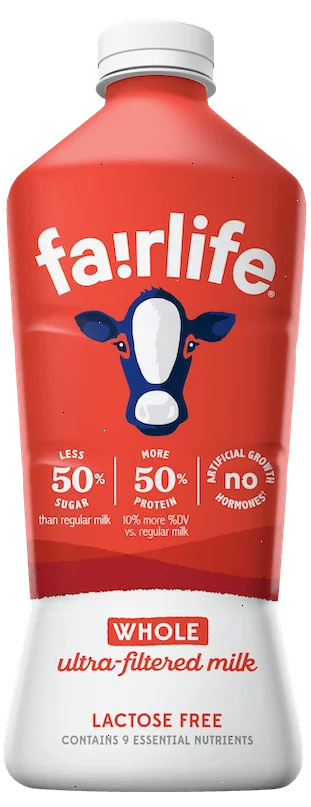
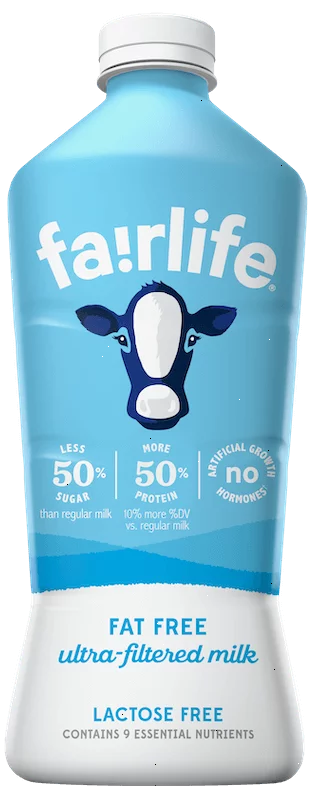
Ultra-filtered milk is real dairy milk that undergoes a specialized filtration process to concentrate protein and remove lactose and excess water. The result is a creamy, nutrient-dense beverage with about twice the protein of regular milk and significantly less sugar. For example, FAT FREE ULTRA-FILTERED MILK provides 13 grams of protein per cup with only 6 grams of sugar, making it a top choice for low-sugar, high-protein diets. This process also preserves essential vitamins like calcium and vitamin D, offering a clean, natural profile without additives. Athletes and families alike appreciate its versatility—from drinking straight to cooking and baking.
What Is Hemp Milk?
Hemp milk is a plant-based milk made from whole hemp seeds (Cannabis sativa). It has a nutty, earthy flavor and a thin, watery consistency similar to almond milk. Nutritionally, hemp milk stands out for its healthy fat profile, including omega-3 and omega-6 fatty acids in an optimal ratio. It’s naturally free of dairy, lactose, soy, and gluten, making it suitable for allergy-friendly diets. However, its protein content is modest—typically 2–3 grams per cup—and it’s often fortified with calcium and vitamin D to match dairy’s nutritional profile. Hemp milk’s sustainability credentials are strong, as hemp plants require minimal water and pesticides, but its lower protein may be a drawback for muscle-focused consumers.
Protein Content Comparison: Ultra-Filtered vs. Hemp Milk
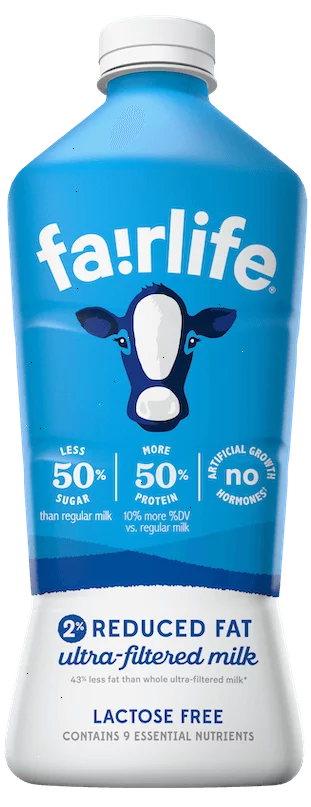
Protein is a critical factor for many milk drinkers, especially those focused on muscle recovery, weight management, or satiety. Ultra-filtered milk clearly wins in this category. A single cup of 2% REDUCED FAT 14oz ultra-filtered milk delivers 13 grams of high-quality, complete protein—containing all essential amino acids. In contrast, hemp milk provides only 2–3 grams of protein per cup, and it’s not a complete protein because it’s low in lysine. For post-workout recovery or high-protein meal prep, ultra-filtered milk is far superior. However, for those on a plant-based diet, hemp milk can still contribute to daily protein intake when combined with other protein-rich foods like legumes or nuts. If protein is your priority, ultra-filtered milk is the clear choice.
Omega-3 Fatty Acids: Hemp Milk’s Unique Advantage
Where hemp milk truly shines is its omega-3 content. Hemp seeds are rich in alpha-linolenic acid (ALA), a plant-based omega-3 that supports heart health, brain function, and reduces inflammation. A cup of unsweetened hemp milk typically contains 1–2 grams of ALA, which is significantly higher than any dairy milk. Ultra-filtered milk, being dairy-based, contains negligible omega-3s unless fortified. For individuals who don’t eat fish or take supplements, hemp milk offers a convenient way to boost omega-3 intake. That said, the conversion of ALA to the active forms EPA and DHA is limited in the body, so hemp milk’s omega-3s are less potent than those from fatty fish. Still, for a plant-based milk, it’s a standout choice for anti-inflammatory benefits.
Environmental Impact: Sustainable Dairy vs. Hemp Farming
Both options have environmental trade-offs. Ultra-filtered milk, produced from cow’s milk, carries the inherent footprint of dairy farming—greenhouse gas emissions, land use, and water consumption. However, because ultra-filtered milk requires less milk per gallon due to concentration, its carbon footprint per serving is slightly lower than regular milk. Some studies suggest ultra-filtered milk reduces waste by extending shelf life and using fewer resources in transportation. Hemp milk, on the other hand, is often hailed as one of the most sustainable plant-based milks. Hemp plants grow rapidly, require little water compared to almonds or oats, and naturally suppress weeds, reducing pesticide use. Hemp also improves soil health through phytoremediation. However, processing and packaging can add environmental costs. Overall, hemp milk has a lower environmental impact than dairy, but ultra-filtered milk’s efficiency improvements narrow the gap.
Taste and Culinary Uses
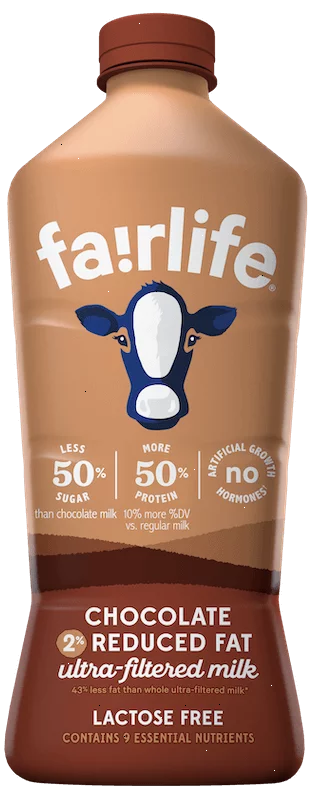
Taste and texture often dictate which milk you’ll use daily. Ultra-filtered milk tastes like fresh, creamy dairy—slightly richer than regular skim milk due to its protein concentration. It works seamlessly in coffee, cereal, smoothies, and baking because it behaves like traditional milk. For example, using CHOCOLATE 14oz ultra-filtered milk in a post-workout shake adds a delicious, protein-packed twist. Hemp milk has a distinct nutty, grassy flavor that some love and others find overwhelming. Its thin consistency can make it less satisfying in coffee or thick sauces. Hemp milk is best in smoothies, oatmeal, or as a base for plant-based soups where its earthy notes complement other ingredients. If you prioritize neutral taste and versatility, ultra-filtered milk wins; for a unique, nutty flavor with omega-3 benefits, hemp milk is a strong option.
Nutritional Comparison Table
| Nutrient (per 1 cup) | Ultra-Filtered Milk (Fat-Free) | Hemp Milk (Unsweetened) |
|---|---|---|
| Calories | 90 | 60–70 |
| Protein | 13g | 2–3g |
| Total Fat | 0g | 4–5g |
| Omega-3 (ALA) | ~0g | 1–2g |
| Carbohydrates | 6g | 1–2g |
| Calcium | 30% DV | 30% DV (fortified) |
| Sustainability Rating | Moderate | High |
Which One Is Right for You?
Choosing between ultra-filtered milk and hemp milk depends on your priorities. If you need high protein for muscle building, weight management, or satiety, ultra-filtered milk is unbeatable—it provides complete protein with fewer calories and sugar than traditional dairy. For those focused on omega-3 intake, heart health, or a fully plant-based diet, hemp milk offers unique fatty acids and a lower environmental impact. However, note that hemp milk’s protein is minimal, so you may need other protein sources. For busy parents, athletes, or anyone seeking a convenient, nutritious staple, ultra-filtered milk’s versatility and protein density make it a daily powerhouse. Hemp milk is best as a specialty milk for smoothies or cereal when omega-3s are a key goal.
Final Thoughts on Protein, Omega-3s, and the Planet
Both ultra-filtered milk and hemp milk have strong merits in the modern milk aisle. Ultra-filtered milk excels in protein efficiency and neutral taste, while hemp milk leads in omega-3 content and environmental sustainability. For the average consumer looking to boost protein without added sugar, ultra-filtered milk is a superior choice. If you’re exploring plant-based options for their eco-friendly profile and heart-healthy fats, hemp milk deserves a spot in your fridge. Ultimately, your decision should align with your nutritional needs, taste preferences, and environmental values. Whichever you choose, both represent innovative strides in making milk more nutritious and sustainable.
Ready to upgrade your daily protein intake? Explore 2% REDUCED FAT 14oz ultra-filtered milk for a creamy, high-protein option that fuels your day while keeping sugar low.