Dairy-Free Alternatives vs. Ultra-Filtered Milk: Which Packs More Protein?
By Fairlifesale | Published: 2026-05-25
Category: Product Reviews
Compare protein content in dairy-free milks vs Fairlife ultra-filtered milk. Discover which option delivers the most protein per serving for your diet and fitness goals.
When you stroll down the dairy aisle, the choices can feel overwhelming. Plant-based milks like almond, oat, and soy have surged in popularity, while ultra-filtered milk has carved out a high-protein niche. If you're focused on protein intake—whether for muscle recovery, weight management, or simply staying full longer—the question becomes: which option truly packs the most protein? In this comprehensive comparison, we pit dairy-free alternatives against ultra-filtered milk, examining nutrition facts, taste, and practicality. By the end, you'll know exactly which milk deserves a spot in your fridge.
Protein Showdown: Ultra-Filtered Milk vs. Dairy-Free Milks
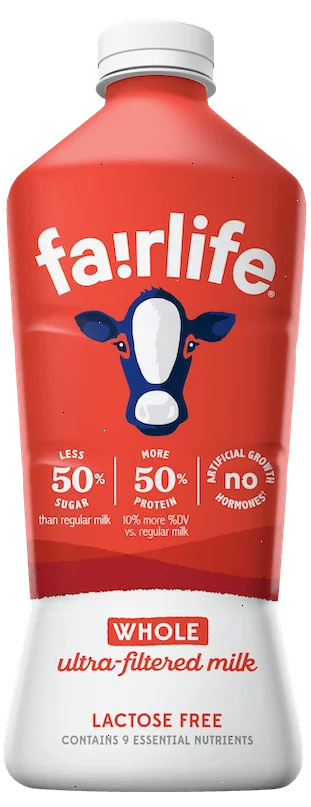
Let's start with the numbers. Protein content varies wildly across milk types. A standard 8-ounce (240 ml) serving of WHOLE ULTRA-FILTERED MILK delivers a whopping 13 grams of protein—that's about twice the protein of regular milk and significantly more than most plant-based alternatives. In contrast, unsweetened almond milk typically provides only 1 gram per cup, oat milk offers around 3 grams, and soy milk leads the plant-based pack with 7–8 grams. Even the best dairy-free option (soy) falls short by nearly 40% compared to ultra-filtered milk.
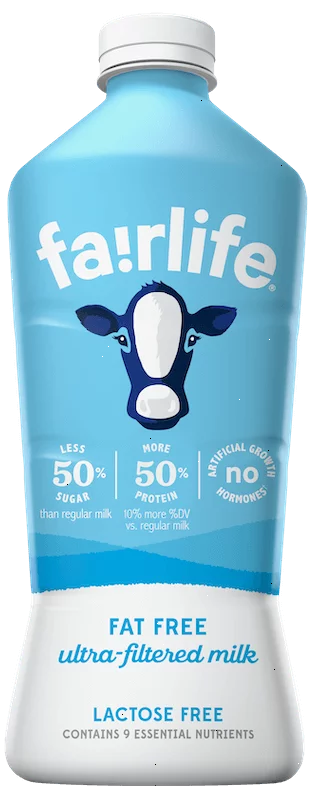
This protein advantage stems from the ultrafiltration process, which concentrates milk protein while reducing lactose and sugar. For those seeking a high-protein milk that stays true to dairy flavor, ultra-filtered milk is unmatched.
| Milk Type (8 oz serving) | Protein (grams) | Calories | Sugar (grams) |
|---|---|---|---|
| Ultra-Filtered Whole Milk | 13 | 150 | 6 |
| Unsweetened Almond Milk | 1 | 30–40 | 0 |
| Unsweetened Oat Milk | 3 | 120 | 7 |
| Unsweetened Soy Milk | 7–8 | 80–90 | 1 |
Why Protein Matters for Your Body and Goals
Protein is essential for muscle repair, satiety, and metabolic health. If you're an athlete, a busy parent, or someone trying to lose weight, choosing a milk with more protein can make a real difference. A single glass of ultra-filtered milk provides nearly as much protein as two eggs—without the preparation time. For post-workout recovery, the CORE POWER ELITE STRAWBERRY shakes (made from ultra-filtered milk) deliver 42 grams of protein per bottle, making them a powerful tool for muscle synthesis.
Dairy-free milks, on the other hand, often require you to combine them with other protein sources (like protein powder or nuts) to reach a comparable level. For example, you'd need to drink four cups of oat milk or thirteen cups of almond milk to match the protein in one cup of ultra-filtered milk. That's a lot of liquid—and calories—for a fraction of the protein.
Nutritional Breakdown: Beyond Just Protein
While protein is our focus, other nutrients matter too. Ultra-filtered milk is naturally rich in calcium, vitamin D, and potassium—nutrients often added synthetically to plant-based milks. It also contains all nine essential amino acids, making it a complete protein. Dairy-free alternatives, except soy, are usually incomplete proteins, meaning they lack one or more essential amino acids your body can't produce on its own.
Ultra-filtered milk also has lower sugar than regular milk because lactose is partially filtered out. For instance, the STRAWBERRY FAT 14oz ultra-filtered milk offers a delicious fruity flavor with 13 grams of protein and only 5 grams of added sugar—a far better choice than sugary almond or oat milk flavored versions that can pack 15+ grams of sugar.
Here's a closer look at the nutrition of popular dairy-free options vs. ultra-filtered milk:
- Unsweetened almond milk: Low calorie (30–40), low protein (1g), minimal nutrients unless fortified. Often contains additives like carrageenan.
- Unsweetened oat milk: Moderate protein (3g), higher carbs and sugar (7g), but can spike blood sugar due to natural oat sugars.
- Unsweetened soy milk: Best plant-based choice (7–8g protein), complete amino acids, but some people avoid it due to phytoestrogens or GMO concerns.
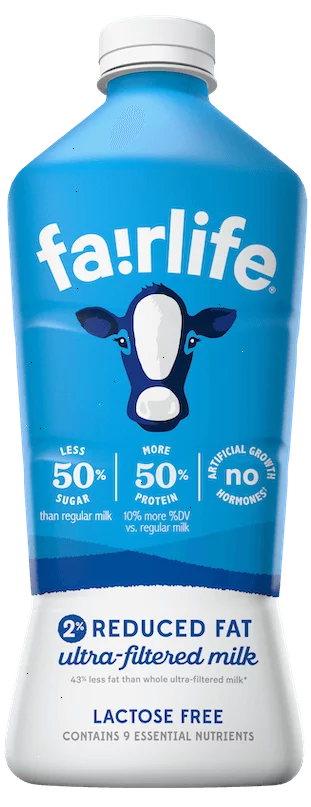
- Ultra-filtered milk (e.g., 2% Reduced Fat Ultra-Filtered Milk): 13g protein, 120 calories, 6g sugar, naturally high in calcium and B12, lactose-free for sensitive stomachs.
Taste and Texture: What Actually Works in Your Kitchen
Let's be honest—nutrition means little if you don't enjoy drinking it. Ultra-filtered milk tastes almost identical to regular milk, with a slightly creamier, thicker texture due to the protein concentration. It pours beautifully into cereal, blends smoothly into coffee, and froths well for lattes. Many people find it more satisfying than watery almond milk or overly sweet oat milk.
Dairy-free milks each have distinct flavor profiles: almond milk has a nutty, thin consistency; oat milk is creamy but can leave a slimy residue in coffee; soy milk has a beany taste that some dislike. When baking or cooking, ultra-filtered milk behaves like regular milk—it won't separate or curdle unexpectedly. In recipes calling for high protein, such as smoothies, pancakes, or sauces, ultra-filtered milk enhances both texture and nutrition.
For a quick protein boost on the go, CORE POWERC HOCOLATE offers a rich chocolate flavor with 26 grams of protein—perfect as a post-workout drink or a meal replacement. Plant-based protein shakes exist, but they often contain added sugars, gums, and less protein per serving.
Dietary Considerations: Who Should Choose What?
Your choice ultimately depends on your dietary needs and restrictions. Here's a quick guide:
- Lactose intolerant: Ultra-filtered milk is lactose-free, making it a safe choice for most. Many dairy-free milks are also safe, but check labels for cross-contamination if you have severe allergies.
- Vegan or plant-based diet: Dairy-free milks are the only option. However, if you're not strictly vegan, ultra-filtered milk is a more efficient protein source.
- High protein goal (athletes, bodybuilders): Ultra-filtered milk wins hands down. Choose whole or chocolate varieties for extra calories and flavor.
- Weight loss: Unsweetened almond milk has fewer calories, but ultra-filtered milk's protein keeps you fuller longer, potentially reducing overall calorie intake.
- Environmental concerns: Dairy production has a higher carbon footprint than many plant-based options. Consider your priorities—some ultra-filtered milk brands use sustainable practices, while oat milk is often touted as eco-friendly.
Cost Comparison: Is Ultra-Filtered Milk Worth the Price?
Ultra-filtered milk typically costs 50–100% more than regular milk, while dairy-free milks vary widely. A half-gallon of ultra-filtered milk may run $4–$6, compared to $3–$4 for almond or oat milk. However, when you calculate cost per gram of protein, ultra-filtered milk is often more economical. You're paying for concentrated nutrition—each dollar buys more usable protein than any plant-based milk, except perhaps soy milk (which is still less protein-dense).
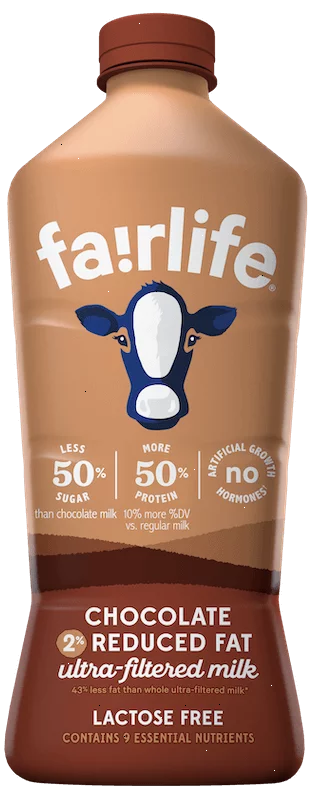
If you buy in bulk or use it daily, the price difference is modest. Plus, you avoid the need for protein supplements, which can be costly and inconvenient. For families, the CHOCOLATE ULTRA-FILTERED MILK is a hit with kids, providing protein without the sugar load of chocolate dairy-free alternatives.
Final Verdict: Which Milk Packs More Protein?
When it comes to pure protein density, ultra-filtered milk is the undisputed champion. It delivers 13 grams per cup—far surpassing even the best plant-based options. For anyone prioritizing muscle repair, satiety, or convenience, ultra-filtered milk is the smarter choice. Dairy-free milks have their place (especially for vegans or those with dairy allergies), but they require more effort to match the protein content.
If you're ready to upgrade your protein intake, explore our selection of ultra-filtered milk and protein shakes. Whether you prefer the classic taste of whole milk or the indulgent flavor of chocolate, you'll find a high-protein option that fits your lifestyle.
Ready to boost your protein? Check out our CORE POWER ELITE VANILLA for a creamy, 42-gram protein shake that's perfect after workouts or as a meal replacement. Your muscles—and your taste buds—will thank you.