The Science Behind Ultra-Filtered Milk: How It Retains More Protein and Calcium for Optimal Nutrition
By Fairlifesale | Published: 2026-06-02
Category: Industry News
Discover the scientific process of ultra-filtration in dairy processing, explaining how Fairlife ultra-filtered milk retains more protein and calcium than regular milk, and why it's a superior choice for health-conscious consumers.
In the evolving landscape of dairy science, ultra-filtration has emerged as a transformative technology that redefines how we think about milk. Unlike traditional pasteurization or homogenization, ultra-filtration is a cold-filtration process that physically separates milk components based on molecular size, allowing producers to concentrate protein and calcium while reducing lactose and sugar. For consumers seeking higher nutritional density without additives, Fairlife's ultra-filtered milk products offer a scientifically backed solution that retains significantly more protein and calcium per serving than conventional milk. This article dives deep into the mechanics of ultra-filtration, its impact on nutrient retention, and how you can incorporate these benefits into your daily diet.
What Is Ultra-Filtration in Dairy Processing?
Ultra-filtration is a membrane-based separation technology that applies pressure to force liquid milk through a semi-permeable membrane with microscopic pores—typically ranging from 0.01 to 0.1 micrometers. These pores allow water, lactose, and some minerals to pass through, while retaining larger molecules such as proteins (casein and whey) and fats. The result is a concentrated milk stream that is richer in protein and calcium, with a naturally lower lactose content. Unlike evaporation or boiling, ultra-filtration operates at low temperatures, preserving heat-sensitive nutrients and enzymes that contribute to milk's bioactivity and digestibility.
The Membrane Filtration Process Explained
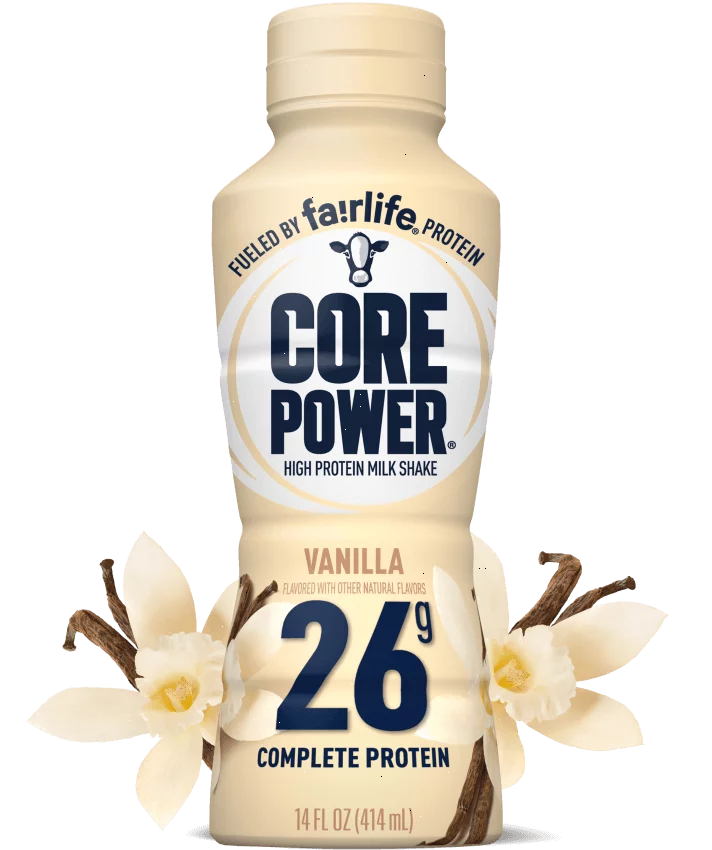
During ultra-filtration, raw milk is circulated across a series of polymer or ceramic membranes under controlled pressure. The permeate—the liquid that passes through the membrane—contains water, lactose, and small ions. The retentate, which is the concentrated portion, is enriched with casein micelles, whey proteins, and calcium phosphate complexes. This retentate is then blended back with a portion of the permeate to achieve the desired protein-to-fat ratio, or it can be further processed into products like CORE POWERM VANILLAE or ultra-filtered milk beverages. The key advantage is that the concentration happens without chemical alteration, meaning the protein structure remains intact and highly bioavailable.
How Ultra-Filtration Retains More Protein
Conventional milk contains approximately 8 grams of protein per cup, but ultra-filtered milk can deliver 13 to 15 grams—nearly double—without adding any protein powders or isolates. This is because ultra-filtration selectively retains the native whey and casein proteins that are naturally present in milk. In standard processing, much of the whey protein can be lost during pasteurization or homogenization due to heat denaturation. Ultra-filtration, by contrast, operates at temperatures below 50°C (122°F), preserving the three-dimensional folding of whey proteins like beta-lactoglobulin and alpha-lactalbumin. This structural integrity enhances digestibility and ensures that the amino acid profile remains complete—essential for muscle repair, immune function, and satiety.
Protein Retention Rates: A Comparison
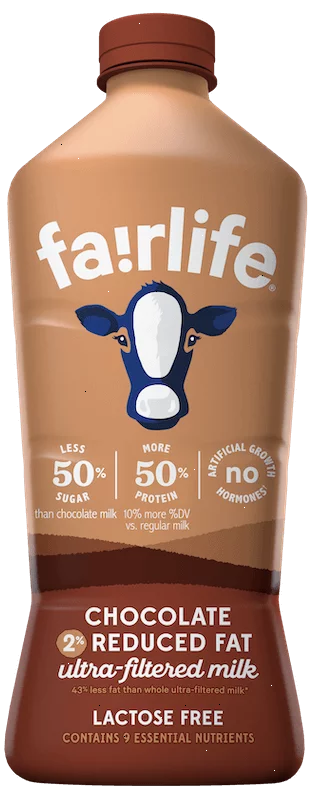
Studies published in the Journal of Dairy Science indicate that ultra-filtration can retain up to 99% of milk's native protein content, compared to 85–90% for conventional thermal concentration methods. For consumers aiming to increase protein intake without consuming more volume, products like 2% REDUCED FAT 14oz ultra-filtered milk provide an efficient, low-calorie option. The concentrated protein also contributes to a thicker, creamier texture that many find more satisfying than regular milk.
Calcium Retention and Bioavailability in Ultra-Filtered Milk
Calcium is another critical nutrient that benefits from ultra-filtration. In milk, calcium is primarily associated with casein micelles in the form of colloidal calcium phosphate. The ultra-filtration membrane retains these casein-bound calcium complexes because they are too large to pass through the pores. As a result, the final product maintains a calcium content that is roughly 30–50% higher than whole milk, depending on the concentration factor. Importantly, this calcium remains in a bioavailable form—bound to phosphopeptides that enhance absorption in the small intestine. Unlike calcium-fortified products that use inorganic sources like calcium carbonate, the naturally retained calcium in ultra-filtered milk is more easily utilized by the body for bone density and muscle contraction.
The Role of pH and Temperature
The ultra-filtration process is typically conducted at a pH of 6.6–6.8, which is the natural pH of fresh milk. This neutral environment prevents the dissociation of calcium from casein, which can occur during acidification or high-heat processing. By maintaining optimal pH and low temperature, ultra-filtration ensures that the calcium-phosphorus ratio remains balanced—a key factor for bone health and metabolic function.
Nutritional Profile Comparison: Ultra-Filtered vs. Regular Milk
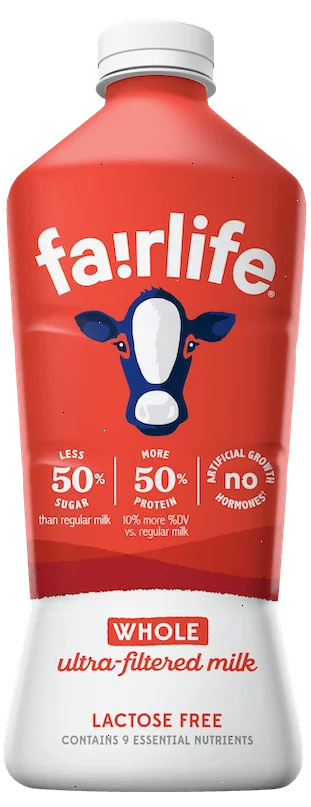
To illustrate the nutritional advantages, the table below compares a standard 8-ounce serving of whole milk with a typical ultra-filtered milk product like WHOLE ULTRA-FILTERED MILK:
| Nutrient (per 8 oz) | Regular Whole Milk | Ultra-Filtered Whole Milk |
|---|---|---|
| Protein | 8 g | 13 g |
| Calcium | 300 mg | 380–420 mg |
| Total Sugars | 12 g (lactose) | 6–8 g (reduced lactose) |
| Carbohydrates | 12 g | 6–9 g |
| Fat (total) | 8 g | 8 g |
| Vitamin D | 125 IU (fortified) | 125 IU (fortified) |
As shown, the ultra-filtered milk offers a 62% increase in protein, a 27% increase in calcium, and a 50% reduction in sugars—all without artificial thickeners or sweeteners. This makes it an ideal choice for those managing diabetes, following a low-carb diet, or simply seeking more nutrient-dense dairy.
Applications of Ultra-Filtered Milk in Daily Nutrition
The high protein and calcium content of ultra-filtered milk makes it versatile for various dietary needs. Athletes can use it as a post-workout recovery drink, while older adults benefit from its bone-strengthening properties. Because of its reduced lactose content, many people with lactose sensitivity tolerate it better than regular milk. It also works exceptionally well in smoothies, coffee, and baking, where the extra protein can enhance texture without adding unwanted sugars.
Pairing with Core Power Protein Shakes
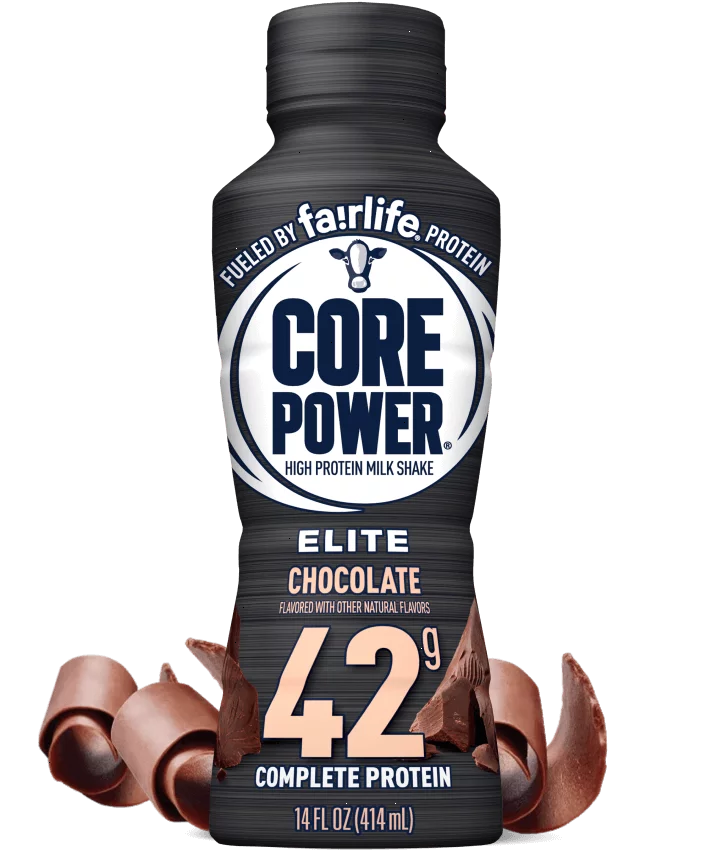
For those who need even higher protein concentrations, Fairlife's Core Power line takes ultra-filtration a step further. Products like CORE POWER ELITE CHOCOLATE deliver 42 grams of protein per bottle, making them a convenient option for serious athletes or individuals with elevated protein requirements. The same ultra-filtration principles apply, ensuring that the protein is from real milk and is highly digestible.
Frequently Asked Questions About Ultra-Filtered Milk
Is ultra-filtered milk pasteurized?
Yes, ultra-filtered milk is still pasteurized after the filtration step to ensure safety. However, the heat treatment is often gentler (e.g., high-temperature short-time pasteurization) to minimize nutrient loss.
Does ultra-filtration remove beneficial probiotics?
Ultra-filtration does remove some beneficial bacteria because the membrane pores are small enough to trap them. However, the final product is typically fortified with vitamin D and may be supplemented with probiotics separately. The trade-off is a longer shelf life and higher protein content.
Can I use ultra-filtered milk in recipes that call for regular milk?
Absolutely. Ultra-filtered milk can be substituted 1:1 in most recipes. Its thicker consistency may require slight adjustments in liquid ratios for baking, but it generally performs well in sauces, soups, and desserts.
The Future of Dairy: Ultra-Filtration and Sustainability
Beyond nutrition, ultra-filtration has environmental benefits. By concentrating milk at the processing plant, less water and energy are needed for transportation and packaging. Additionally, the reduced lactose content means less sugar waste in dairy streams, contributing to lower environmental loads. As consumer demand for high-protein, low-sugar foods grows, ultra-filtration represents a scalable, science-driven approach to meeting these needs without compromising on taste or purity.
Conclusion: Why Choose Ultra-Filtered Milk for Your Health
Understanding the science behind ultra-filtration reveals why products like Fairlife's ultra-filtered milk are more than just a marketing gimmick—they are a genuine nutritional upgrade. By retaining more protein and calcium through a gentle, non-thermal process, ultra-filtered milk provides a higher concentration of essential nutrients in every glass. Whether you are an athlete, a parent, or simply someone looking to optimize your daily nutrition, switching to ultra-filtered milk is a simple yet impactful change.
Ready to experience the difference? Explore the full range of Fairlife ultra-filtered milk products at Fairlifesale. Start with the versatile WHOLE ULTRA-FILTERED MILK for a creamy, protein-rich upgrade to your daily routine.