Ultra-Filtered Milk Protein Content vs. Whey and Plant-Based Powders: A Detailed Comparison
By Fairlifesale | Published: 2026-05-28
Category: Product Reviews
Compare the protein content of ultra-filtered milk to whey and plant-based protein powders. Discover bioavailability, amino acid profiles, and which option suits your fitness goals best.
When it comes to fueling your body with high-quality protein, the choices can feel overwhelming. From traditional whey powders to trendy plant-based blends, the market is saturated with options. But there's a rising star in the dairy aisle that deserves your attention: ultra-filtered milk. With its naturally high protein content, creamy taste, and minimal processing, it offers a compelling alternative to both whey and plant-based protein powders. In this article, we'll dive deep into the protein content of ultra-filtered milk, how it stacks up against whey and plant-based powders, and why it might be the perfect addition to your nutrition plan.
What Is Ultra-Filtered Milk and Why Does Its Protein Content Matter?
Ultra-filtered milk is not your average glass of milk. Through a specialized filtration process, it removes excess water, lactose, and some minerals, leaving behind a product that is significantly higher in protein and lower in sugar than regular milk. For example, a standard 8-ounce serving of whole ultra-filtered milk contains about 13 grams of protein, while regular whole milk offers only 8 grams. This makes it an excellent choice for athletes, fitness enthusiasts, and anyone looking to increase their protein intake without adding extra calories or sugar.
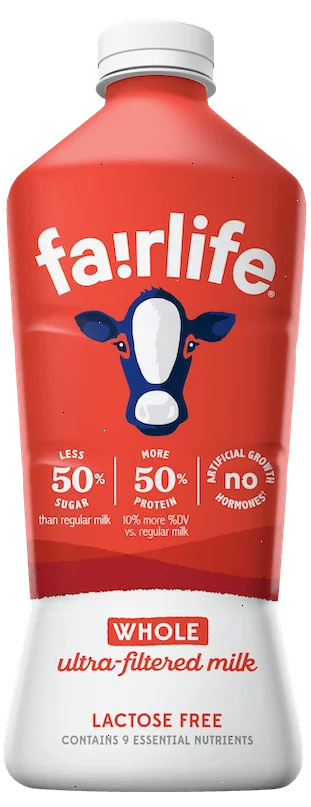
But the true power of ultra-filtered milk lies in its versatility. You can drink it straight, pour it over cereal, blend it into smoothies, or use it as a base for high-protein recipes. One of our top sellers, the WHOLE ULTRA-FILTERED MILK, is a favorite among those who want a creamy, nutritious option that doesn't compromise on taste. However, if you're looking for a convenient, on-the-go protein boost, the CORE POWER ELITE STRAWBERRY shake delivers an impressive 42 grams of protein per serving, making it a powerhouse for recovery.
Comparing Protein Content: Ultra-Filtered Milk vs. Whey Protein Powder
Whey protein powder has long been the gold standard for post-workout recovery. Derived from milk during the cheese-making process, it's a complete protein that contains all nine essential amino acids. But how does it compare to ultra-filtered milk on a gram-for-gram basis?
| Product Type | Protein per Serving | Calories per Serving | Carbohydrates (g) | Fat (g) |
|---|---|---|---|---|
| Ultra-Filtered Milk (8 oz) | 13 g | 120 | 6 g | 5 g |
| Whey Protein Powder (1 scoop) | 25 g | 120 | 2 g | 1 g |
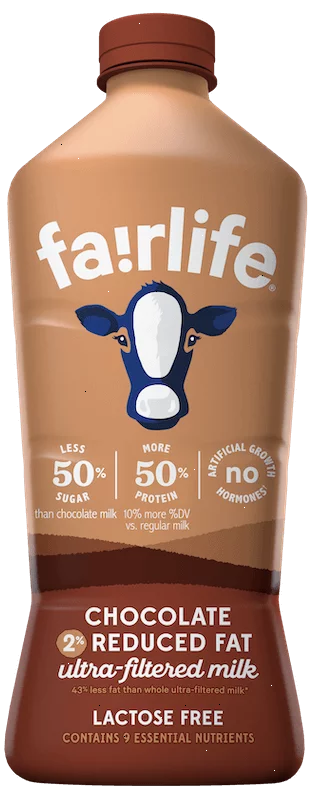
At first glance, whey powder seems to offer more protein per calorie. However, ultra-filtered milk has distinct advantages. It's a whole food that provides natural vitamins and minerals like calcium, vitamin D, and potassium. Plus, it has a creamy texture that many find more satisfying than a watery shake. For those who prefer a flavored option without artificial additives, the CHOCOLATE ULTRA-FILTERED MILK delivers 13 grams of protein per serving with a rich, indulgent taste—perfect for a mid-day snack or a post-workout treat.
Bioavailability and Absorption
Both whey protein and ultra-filtered milk are rapidly absorbed, making them ideal for muscle repair after exercise. Whey protein isolate, in particular, is known for its high leucine content, which triggers muscle protein synthesis. Ultra-filtered milk, while slightly slower to digest due to its casein content, provides a sustained release of amino acids, which can benefit muscle recovery over several hours. This dual-action makes ultra-filtered milk a unique option for those who want both immediate and prolonged protein delivery.
Ultra-Filtered Milk vs. Plant-Based Protein Powders
Plant-based protein powders, such as pea, rice, or hemp, are popular among vegans and those with lactose intolerance. However, they often fall short in terms of protein quality and completeness. Most plant proteins are deficient in one or more essential amino acids, particularly lysine or methionine. This means you may need to combine different sources (like pea and rice) to get a complete profile.
| Product Type | Protein per Serving | Amino Acid Profile | Digestibility |
|---|---|---|---|
| Ultra-Filtered Milk (8 oz) | 13 g | Complete (all 9 EAAs) | High (PDCAAS 1.0) |
| Pea Protein Powder (1 scoop) | 24 g | Incomplete (low methionine) | Moderate (PDCAAS ~0.89) |
| Rice Protein Powder (1 scoop) | 20 g | Incomplete (low lysine) | Moderate (PDCAAS ~0.47) |
Ultra-filtered milk, on the other hand, is a complete protein with a high biological value. It also contains naturally occurring calcium and vitamin B12, which are often missing in plant-based diets. For those who can tolerate dairy, it's a more efficient and nutrient-dense option. If you're looking for a ready-to-drink plant-based alternative, consider that many commercial shakes add sugars and thickeners to mask the chalky texture of plant proteins, whereas ultra-filtered milk products like the CORE POWER ELITE STRAWBERRY are often free from artificial ingredients.
Practical Applications: Which Should You Choose?
Your choice between ultra-filtered milk, whey powder, and plant-based protein depends on your dietary needs, taste preferences, and lifestyle. Here are some scenarios to help you decide:
- Post-Workout Recovery: Whey powder is fast and convenient, but ultra-filtered milk offers the same rapid absorption plus extra nutrients. For a portable option, try CORE POWER ELITE STRAWBERRY which packs 42g of protein per bottle.
- Meal Replacement or Snack: Ultra-filtered milk is more filling and can be used in smoothies, oatmeal, or coffee. It's a whole food that keeps you satisfied longer than a powdered shake mixed with water.
- Vegan or Dairy-Free: Plant-based powders are the only option if you avoid dairy entirely. However, if you're lactose intolerant but not vegan, ultra-filtered milk is naturally low in lactose and often well-tolerated.
- Budget-Conscious: Ultra-filtered milk is often more affordable per gram of protein than premium whey isolates or specialized plant blends, especially when bought in multi-packs.
Final Verdict: Ultra-Filtered Milk Wins on Convenience and Nutrition
While whey and plant-based powders have their place, ultra-filtered milk stands out as a versatile, nutrient-rich whole food that delivers high-quality protein without the need for mixing, scooping, or dealing with clumps. Its complete amino acid profile, natural vitamins, and creamy taste make it an excellent choice for anyone seeking to optimize their protein intake. Whether you're an athlete, a busy parent, or a health-conscious consumer, adding ultra-filtered milk to your daily routine is a simple way to boost your protein consumption.
Call to Action: Try Ultra-Filtered Milk Today
Ready to experience the benefits of ultra-filtered milk for yourself? Explore our selection of ultra-filtered milk products and protein shakes at Fairlifesale. Start with the CHOCOLATE ULTRA-FILTERED MILK for a delicious, high-protein treat that fits seamlessly into your busy lifestyle. Your muscles—and your taste buds—will thank you.