Ultra-Filtered Milk vs. Almond Milk: A Comprehensive Protein and Nutrition Showdown
By Fairlifesale | Published: 2026-06-05
Category: Product Reviews
Discover the key differences between ultra-filtered milk and almond milk in protein, calcium, and sugar content. Find out which dairy alternative wins for fitness, health, and everyday nutrition.
When you stand in the dairy aisle or scroll through your favorite online grocery store, the sheer variety of milk options can be overwhelming. Two popular choices that often land in the same shopping cart conversation are ultra-filtered milk and almond milk. While almond milk has long been the go-to for low-calorie, dairy-free lifestyles, ultra-filtered milk has surged in popularity among fitness enthusiasts, meal preppers, and anyone seeking a higher protein, lower sugar dairy option. This article delivers a comprehensive, side-by-side comparison of ultra-filtered milk vs. almond milk, focusing on protein content, nutritional value, taste, and practical uses. By the end, you'll know exactly which one fits your diet and lifestyle best.
What Is Ultra-Filtered Milk?
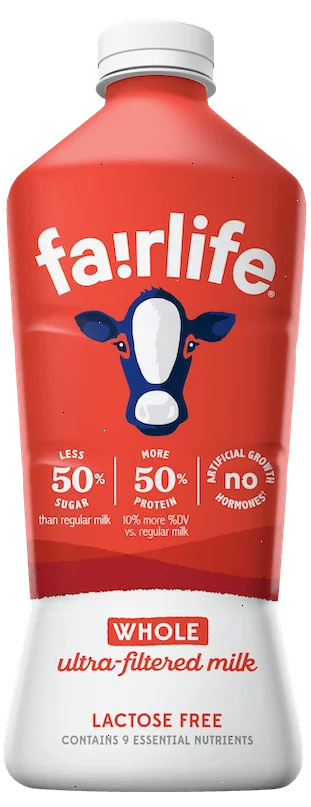
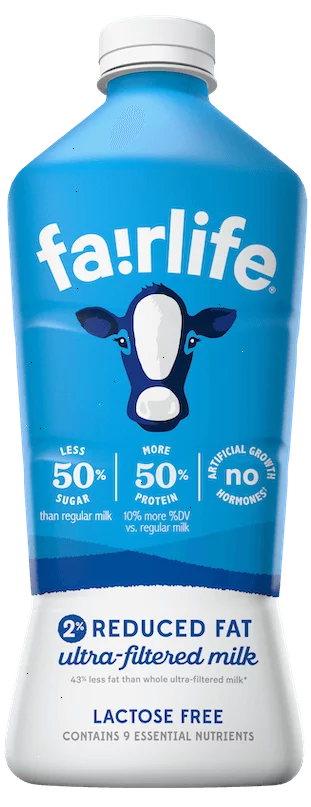
Ultra-filtered milk is real cow's milk that has been passed through specialized filtration membranes to concentrate protein and calcium while removing much of the lactose and water. The result is a milk that contains roughly twice the protein of regular milk, about half the sugar, and a creamy, rich texture without any added thickeners. Brands like Fairlife have perfected this process, offering products such as 2% Reduced Fat Ultra-Filtered Milk and WHOLE ULTRA-FILTERED MILK, which are staples for those who want maximum nutrition per sip.
What Is Almond Milk?
Almond milk is a plant-based milk alternative made by blending almonds with water and then straining out the solids. It is naturally low in calories, often fortified with vitamins like vitamin D and calcium, and contains no lactose or animal products. However, its protein content is minimal — usually around 1 gram per cup — and many commercial varieties contain added sugars, thickeners, and emulsifiers. Unsweetened almond milk is a popular choice for those on low-carb or vegan diets, but it lacks the protein punch that ultra-filtered milk delivers.
Protein Content: The Biggest Differentiator
Protein is where these two milks diverge most dramatically. Ultra-filtered milk typically provides 13 grams of protein per 8-ounce serving — that's more than a standard egg and nearly three times the protein of regular milk. In contrast, almond milk offers only 1 gram of protein per cup. For anyone looking to build muscle, recover after workouts, or simply stay fuller longer, ultra-filtered milk is the clear winner. The CORE POWERC HOCOLATE shake, for example, packs 26 grams of protein in a portable bottle, making it a convenient post-exercise recovery drink that almond milk simply cannot match.
Calories and Fat: A Nuanced Comparison
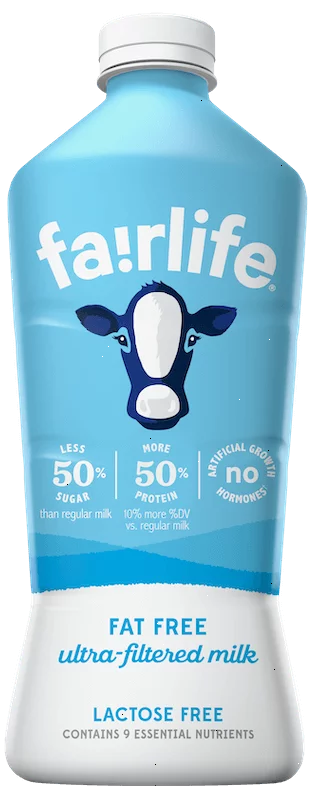
Unsweetened almond milk is famously low in calories — often just 30 to 40 calories per cup. This makes it ideal for those strictly counting calories or following a very low-calorie diet. Ultra-filtered milk, depending on the fat content, ranges from about 80 calories (skim) to 150 calories (whole) per cup. While higher in calories than almond milk, ultra-filtered milk provides far more satiety due to its protein and fat content. The 2% Reduced Fat Ultra-Filtered Milk sits at a happy medium with 120 calories and 13 grams of protein, offering a balanced option for weight management without sacrificing nutrition.
Sugar and Carbohydrates: Lower in Ultra-Filtered Milk
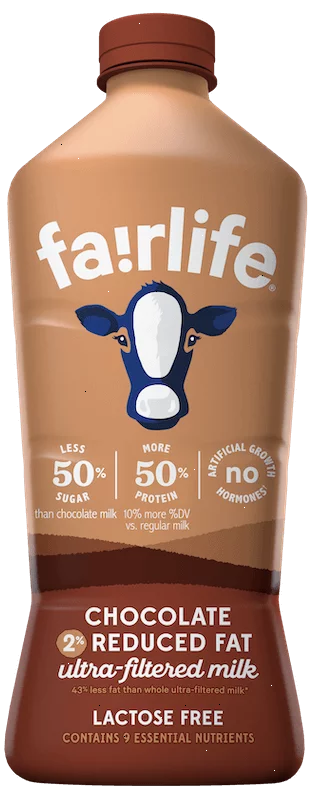
Both unsweetened almond milk and ultra-filtered milk are low in sugar, but through different mechanisms. Unsweetened almond milk typically contains less than 1 gram of sugar per cup, while ultra-filtered milk has about 6 grams of naturally occurring lactose — compared to 12 grams in regular milk. However, many flavored almond milks (like vanilla or chocolate) add significant sugar, often 15-20 grams per serving. In contrast, flavored ultra-filtered milk options like CHOCOLATE ULTRA-FILTERED MILK contain only 12 grams of sugar (mostly from lactose) while delivering 13 grams of protein. For those watching their carbohydrate intake, ultra-filtered milk offers a more nutrient-dense choice per gram of sugar.
Calcium and Bone Health
Calcium is essential for bone density, and both milks can be good sources — but with important caveats. Ultra-filtered milk naturally contains about 380 mg of calcium per cup (roughly 30% of the daily value), and because it's a dairy product, the calcium is highly bioavailable. Almond milk is typically fortified with calcium carbonate to reach similar levels (around 450 mg per cup), but some studies suggest that the absorption of fortified calcium may be slightly less efficient than the naturally occurring calcium in dairy. For optimal bone health, especially for growing children, older adults, or those with osteoporosis, ultra-filtered milk provides a more reliable source.
Lactose and Digestibility
For individuals with lactose intolerance, almond milk is naturally lactose-free, making it a safe alternative. Ultra-filtered milk, however, has been filtered to remove about half the lactose found in regular milk. Many people with mild to moderate lactose intolerance can tolerate ultra-filtered milk without discomfort. If you have severe lactose intolerance or a dairy allergy, almond milk is the safer choice. But for those who simply experience bloating or gas with regular milk, ultra-filtered milk offers a dairy solution that is easier on digestion.
Taste and Texture: Creamy vs. Watery
Taste is subjective, but there's no denying that ultra-filtered milk is creamier and more satisfying than almond milk. It has a rich, full mouthfeel similar to whole milk, even in lower-fat versions. Almond milk, especially unsweetened varieties, can taste thin and watery, with a slightly nutty flavor that may not suit all recipes. In coffee, ultra-filtered milk creates a velvety foam for lattes, while almond milk often separates or curdles when heated. For baking, cooking, or simply drinking a glass with cookies, ultra-filtered milk delivers a more authentic dairy experience.
Practical Uses in Cooking and Recipes
Because of its higher protein content and creamy texture, ultra-filtered milk works beautifully in recipes that require thickening or structure, such as creamy sauces, custards, puddings, and protein smoothies. It also stands up well to heat without breaking, making it ideal for soups and casseroles. Almond milk, on the other hand, is best used in cold applications like cereal, overnight oats, or smoothies where its light texture won't be missed. However, for high-protein meal prep — think overnight oats, protein pancakes, or post-workout shakes — ultra-filtered milk is far superior.
Environmental and Ethical Considerations
Almond milk production uses significant amounts of water (especially in drought-prone California), but it generates fewer greenhouse gases than dairy farming. Ultra-filtered milk, being dairy, has a higher carbon footprint per gallon, but Fairlife and other producers are working on sustainability initiatives, including water recycling and reducing methane emissions. If animal welfare is a concern, almond milk is vegan, while ultra-filtered milk is not. However, if you consume dairy, choosing ultra-filtered milk means you get more nutrition per glass, potentially reducing overall consumption.
Cost Comparison: Value for Money
Almond milk is generally cheaper than ultra-filtered milk, with prices ranging from $2.50 to $4.00 per half-gallon versus $4.00 to $6.00 for ultra-filtered milk. However, when you compare cost per gram of protein, ultra-filtered milk is far more economical. For example, a half-gallon of 2% Reduced Fat Ultra-Filtered Milk costs about $5.00 and provides 104 grams of protein total (13g per cup × 8 cups). That's roughly 4.8 cents per gram of protein. Almond milk at $3.00 per half-gallon with 1 gram of protein per cup gives you only 8 grams total, at a staggering 37.5 cents per gram of protein. For anyone prioritizing protein intake, ultra-filtered milk offers vastly better value.
Which One Should You Choose?
The decision ultimately depends on your dietary goals, taste preferences, and any food allergies or intolerances. Choose ultra-filtered milk if you want high protein, low sugar, creamy texture, and a nutrient-dense option that supports muscle recovery, weight management, and bone health. Choose almond milk if you need a lactose-free, vegan, ultra-low-calorie option for smoothies or cereal, and you don't mind sacrificing protein. For most active adults and families, ultra-filtered milk is the more versatile and nutritionally complete choice.
Final Verdict: Ultra-Filtered Milk Wins for Protein Seekers
In the showdown between ultra-filtered milk and almond milk, ultra-filtered milk emerges as the clear champion for anyone focused on protein, satiety, and overall nutritional density. While almond milk has its place in plant-based and low-calorie diets, it simply can't compete with the protein and calcium content of ultra-filtered milk. Whether you're drinking it straight, blending it into a post-workout shake, or cooking a creamy dinner, ultra-filtered milk delivers superior results.
Ready to experience the difference for yourself? Explore the full range of high-protein options at Fairlifesale, including the delicious CORE POWER STRAWBERRY BANANA shake — a perfect blend of taste and nutrition for on-the-go energy. Upgrade your milk game today!