Ultra-Filtered Milk vs. Almond Milk: Which Is Better for Your Fitness Goals?
By Fairlifesale | Published: 2026-05-26
Category: Product Reviews
Compare ultra-filtered milk and almond milk for protein, calories, and macros. Discover which dairy alternative supports muscle growth, weight loss, and recovery best.
When you're working toward fitness goals—whether it's building lean muscle, losing weight, or recovering faster after a tough workout—the drinks you choose matter just as much as the foods you eat. Two popular options often sit side by side in the grocery aisle: ultra-filtered milk and almond milk. Both are marketed as healthy, but they serve very different purposes. In this head-to-head comparison, we'll break down the nutrition, taste, cost, and practical use of each, so you can decide which one truly aligns with your fitness journey.
What Is Ultra-Filtered Milk?
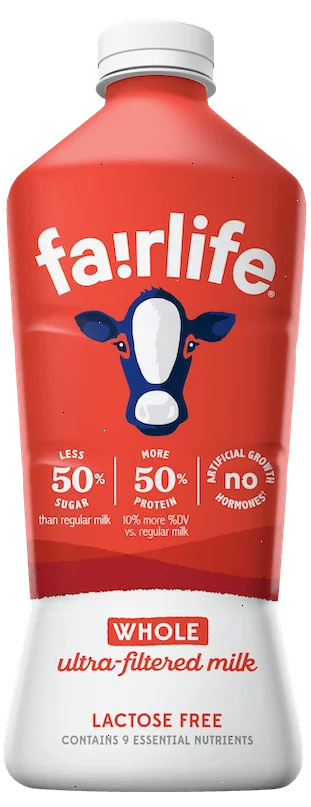
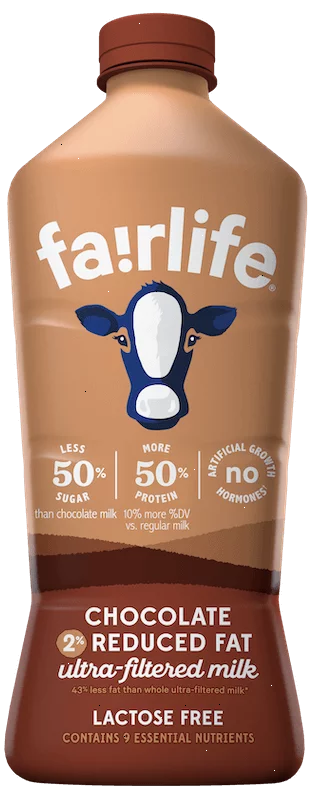
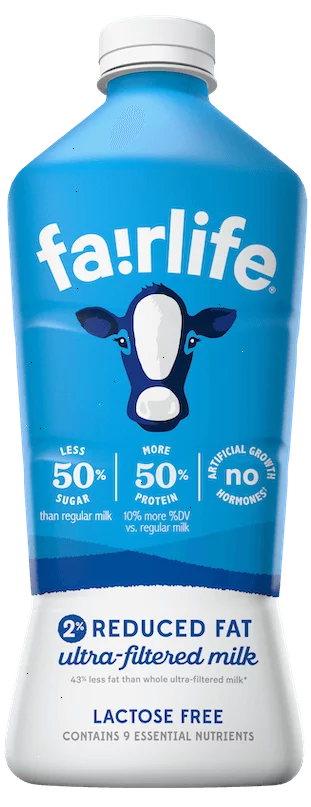
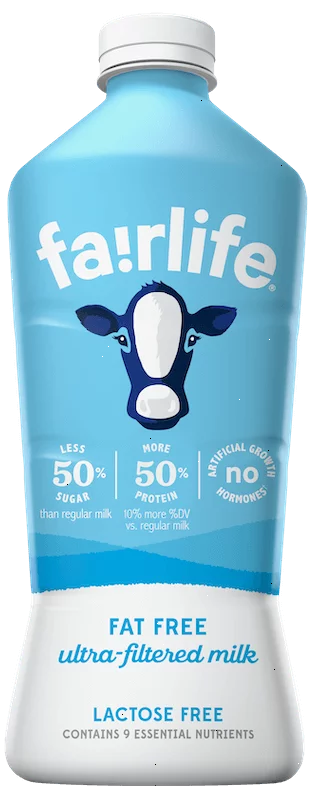
Ultra-filtered milk is real cow's milk that has been passed through fine filtration membranes to concentrate protein and remove most of the lactose and some water. The result is a creamy, naturally high-protein beverage with about 13 grams of protein per cup—roughly twice the protein of regular milk—and only 6 grams of sugar (or less in the unsweetened versions). Because the filtration process also reduces lactose, many people who are lactose intolerant can enjoy it without discomfort. At Fairlifesale, you'll find options like CHOCOLATE ULTRA-FILTERED MILK and 2% REDUCED FAT 14oz ultra-filtered milk, both offering that signature protein punch.
What Is Almond Milk?
Almond milk is a plant-based milk made by blending almonds with water and then straining out the solids. It's naturally low in calories—usually 30 to 50 calories per cup for unsweetened varieties—and contains little to no protein (often just 1 gram per cup unless fortified). Many commercial almond milks are fortified with calcium, vitamin D, and vitamin E, but they rarely match the protein density of dairy. Almond milk is also free from lactose and is a favorite among vegans or those avoiding dairy entirely.
Nutritional Showdown: Ultra-Filtered Milk vs. Almond Milk
To help you see the difference at a glance, here's a side-by-side comparison based on 1 cup (8 oz) of each, unsweetened and unflavored (where applicable):
| Nutrient | Ultra-Filtered Milk (2% Reduced Fat) | Unsweetened Almond Milk |
|---|---|---|
| Calories | 120 | 30–40 |
| Protein | 13 g | 1 g |
| Carbohydrates | 6 g | 1–2 g |
| Sugar | 6 g (naturally occurring) | 0 g |
| Fat | 5 g | 2.5 g |
| Calcium | 30% DV | 45% DV (fortified) |
| Vitamin D | 25% DV | 25% DV (fortified) |
Winner for protein: Ultra-filtered milk by a landslide. If your fitness goals include muscle repair, recovery, or satiety, the 13 grams of protein in every cup of ultra-filtered milk is a game-changer. Almond milk cannot compete in this category unless you're using a high-protein fortified version, which still usually maxes out at around 5–8 grams per cup.
Which One Supports Muscle Growth Better?
Muscle protein synthesis requires a steady intake of high-quality protein, preferably from sources rich in leucine—an amino acid that triggers muscle-building pathways. Ultra-filtered milk is naturally rich in all essential amino acids, making it a complete protein. Almond milk, on the other hand, is not a complete protein and lacks sufficient leucine to independently promote muscle growth. For post-workout recovery, a shake made with CORE POWER STRAWBERRY BANANA (which uses ultra-filtered milk as its base) delivers 26 grams of protein per bottle—ideal for refueling after a sweat session. Almond milk would need to be paired with a separate protein powder to achieve similar results.
Weight Loss and Calorie Control
If your primary goal is weight loss, almond milk's low calorie count (30–40 per cup) is undeniably attractive. You can use it in coffee, smoothies, or cereal without adding many calories. However, the trade-off is a lack of protein, which means it won't keep you full for long. Ultra-filtered milk, while higher in calories, provides protein that promotes satiety and helps preserve lean muscle mass during a calorie deficit. Many fitness experts argue that the protein in ultra-filtered milk makes it a smarter choice for sustainable weight management, even though the calorie count is higher. If you're watching your sugar intake, the unsweetened 2% reduced fat version is a great middle ground.
Digestibility and Dietary Restrictions
For those with lactose intolerance, almond milk is naturally lactose-free and easy on the stomach. Ultra-filtered milk is also low in lactose (about 50% less than regular milk), so many people who are mildly lactose intolerant can tolerate it without issues. However, if you have a dairy allergy or follow a vegan diet, almond milk is the only option here. For everyone else, ultra-filtered milk offers a creamy texture and nutrient density that almond milk can't replicate.
Taste and Texture
Ultra-filtered milk tastes like rich, creamy cow's milk—perfect for drinking straight, pouring over cereal, or blending into smoothies. Almond milk has a thinner consistency and a subtle nutty flavor that some people love and others find watery. In coffee, almond milk can curdle if not heated gently, while ultra-filtered milk froths beautifully for lattes and cappuccinos. If you're looking for a satisfying, milk-like experience, ultra-filtered milk wins on taste and texture.
Cost Comparison
Ultra-filtered milk typically costs $4–$6 per half-gallon, which is more than regular milk but comparable to premium protein shakes. Almond milk is often cheaper, ranging from $2–$4 per half-gallon. However, ounce for ounce, you're paying for protein with ultra-filtered milk. When you factor in the cost of buying separate protein powder to boost almond milk, the price gap narrows significantly. For example, adding a scoop of protein powder to almond milk can cost an additional $0.50–$1.00 per serving, making ultra-filtered milk the more economical choice for high-protein needs.
Practical Uses in Your Daily Diet
Both milks can be used in cooking and baking, but with different results. Ultra-filtered milk works as a 1:1 substitute for regular milk in recipes, adding extra protein without changing the texture. Almond milk works best in recipes that don't rely on milk for structure, such as smoothies, overnight oats, or soups. For a high-protein breakfast, try blending CHOCOLATE NUTRITION PLAN (which contains 30 grams of protein per bottle) with a banana and ice for a thick, satisfying smoothie. Almond milk would need a scoop of protein powder to come close to that protein count.
Environmental and Ethical Considerations
Almond milk has a lower carbon footprint than dairy milk, but it requires significant water to grow almonds—about 130 pints of water per glass. Ultra-filtered milk, being dairy, has a higher carbon footprint but uses less water per serving than almond milk. If sustainability is a priority, you may want to consider local sourcing and packaging. Both options have trade-offs, so choose based on your personal values and dietary needs.
Final Verdict: Which One Should You Choose?
If your fitness goals emphasize muscle growth, recovery, or high-protein nutrition, ultra-filtered milk is the clear winner. It delivers complete protein, essential amino acids, and a creamy taste that supports everything from post-workout shakes to everyday drinking. For those focused strictly on calorie cutting or who follow a vegan diet, almond milk can still be part of a healthy plan—but you'll need to supplement protein elsewhere.
Our Recommendation
We suggest keeping both in your fridge, depending on the occasion. Use ultra-filtered milk for workouts, recovery, and meals where protein matters most. Use almond milk for low-calorie coffee creamer or light smoothies. But if you have to pick just one for fitness success, ultra-filtered milk offers the nutrition density that almond milk simply can't match.
Ready to upgrade your protein intake? Explore the full selection of ultra-filtered milk and protein shakes at Fairlifesale, including the fan-favorite CHOCOLATE ULTRA-FILTERED MILK—perfect for satisfying your sweet tooth while fueling your fitness goals.