Ultra-Filtered Milk vs. Oat Milk: Protein, Taste & Sustainability Face-Off (2025 Guide)
By Fairlifesale | Published: 2026-06-09
Category: Product Reviews
Compare ultra-filtered milk vs oat milk on protein content, taste, and environmental impact. Discover which dairy alternative wins for health, muscle recovery, and eco-conscious consumers.
The plant-based milk revolution has swept supermarket shelves, with oat milk emerging as a creamy, barista-approved favorite. But for those prioritizing protein, satiety, and minimalist ingredients, ultra-filtered milk has carved out a powerful niche. In this head-to-head comparison, we pit ultra-filtered milk against oat milk across critical metrics: protein density, sugar content, environmental footprint, and culinary versatility. Whether you’re an athlete, a sustainability seeker, or simply curious, this guide will help you decide which milk earns a spot in your fridge.
What Is Ultra-Filtered Milk?
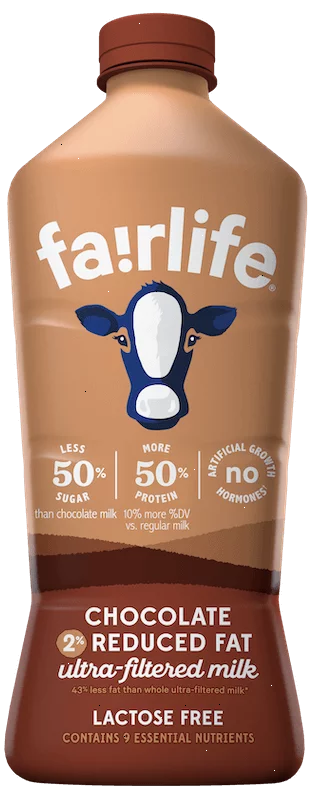
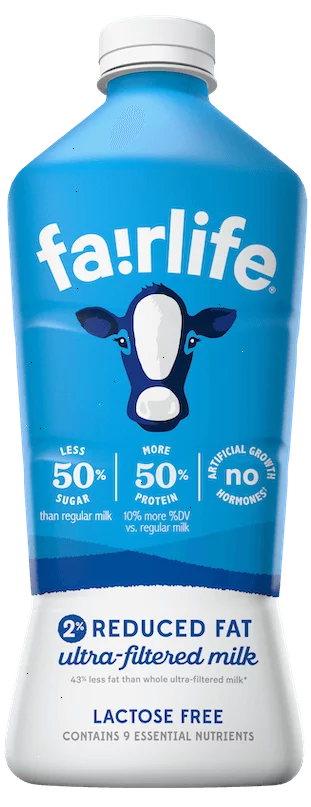
Ultra-filtered milk starts with fresh cow’s milk that passes through fine filters to concentrate protein and remove much of the natural sugar (lactose) and water. The result is a thicker, creamier liquid that packs roughly 13–15 grams of protein per cup — significantly more than standard milk (8g) and most plant-based alternatives. Brands like Fairlife offer a variety of options, including CHOCOLATE 14oz ultra-filtered milk and 2% REDUCED FAT 14oz ultra-filtered milk, making it easy to find a flavor and fat profile that fits your diet.
What Is Oat Milk?
Oat milk is made by blending soaked oats with water, then straining out the solids. It’s naturally creamy thanks to oat beta-glucan, a soluble fiber that gives it a smooth texture reminiscent of dairy milk. Most commercial oat milks contain 2–4 grams of protein per cup, and they often have added oils, stabilizers, and sugars to improve mouthfeel and shelf life. While oat milk is celebrated for its low environmental impact relative to almond milk, its protein content lags far behind ultra-filtered options.
Protein Showdown: Ultra-Filtered Milk vs. Oat Milk
| Metric (per 8 oz serving) | Ultra-Filtered Milk (2% fat) | Oat Milk (original, unsweetened) |
|---|---|---|
| Protein | 13 g | 3 g |
| Carbohydrates | 6 g | 16 g |
| Sugar | 4 g (natural) | 7 g (often added) |
| Fat | 2.5 g | 4 g (from added oil) |
| Calories | 120 | 120 |
The protein gap is immense. Ultra-filtered milk delivers over four times the protein of standard oat milk per serving. For athletes, people on high-protein diets, or anyone trying to stay full longer, that difference can be a game-changer. Oat milk’s higher carbohydrate content — largely from natural oat sugars and sometimes added sweeteners — can spike blood sugar, whereas ultra-filtered milk’s low-sugar, high-casein profile supports steady energy and muscle repair.
Sustainability and Environmental Impact
Both milks have distinct environmental stories. Oat milk requires less water than almond milk and produces fewer greenhouse gases than dairy — but it still relies on monocrop farming, which can deplete soil health. Ultra-filtered milk, being dairy-based, has a higher land and water footprint per gallon than oat milk. However, the filtration process uses less milk to produce the same amount of protein: you need about 1.5x more raw milk to make a gallon of ultra-filtered milk, so the per-protein environmental cost is actually competitive. Additionally, ultra-filtered milk generates less food waste because it lasts up to 45 days unopened — far longer than oat milk’s 7–10 day refrigerated shelf life.
Taste, Texture, and Culinary Uses
Oat milk wins on neutral sweetness and foamability — it’s a barista darling for lattes and cappuccinos. Its mild flavor doesn’t overpower coffee or cereal. However, it can separate in hot sauces and curdle in acidic coffee if not formulated with stabilizers.
Ultra-filtered milk tastes like creamy, slightly thicker dairy milk — rich without being heavy. It shines in smoothies (adds protein without a chalky aftertaste), in baking (substitutes 1:1 for regular milk), and as a post-workout recovery drink. The CORE POWER ELITE CHOCOLATE shake, for instance, delivers 42 grams of protein per bottle — ideal for muscle repair after intense training. For cooking, ultra-filtered milk won’t curdle when heated and creates silky sauces, puddings, and oatmeal.
Who Should Choose Which?
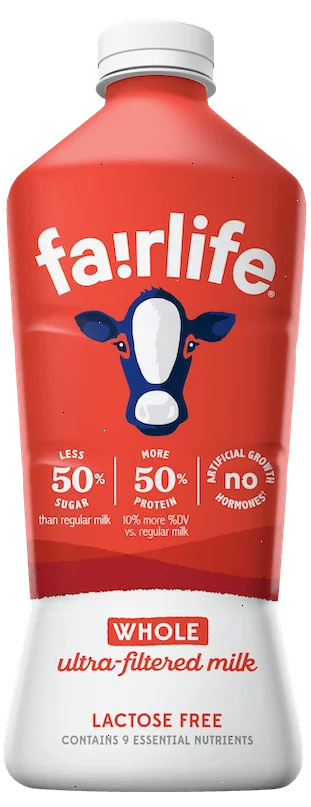
- Choose ultra-filtered milk if: You need high protein (athletes, bodybuilders, weight management), you follow a low-sugar or keto diet, or you want a versatile milk that works in both sweet and savory recipes. WHOLE ULTRA-FILTERED MILK is a great choice for those who prefer a richer mouthfeel.
- Choose oat milk if: You are vegan or lactose-intolerant, you prioritize the lowest environmental footprint overall, or you primarily use milk in coffee and want a barista-friendly foam.
The Verdict
In the battle of ultra-filtered milk vs oat milk, there is no single winner — it depends on your goals. For protein density, satiety, and minimal sugar, ultra-filtered milk is the clear champion. For environmental minimalism and coffee house compatibility, oat milk holds its ground. But if you can only stock one milk in your fridge and want the most nutrition per sip, ultra-filtered milk delivers a completeness that oat milk simply cannot match.
Final Takeaway
Both milks have a place in a balanced kitchen. Use oat milk for your morning latte and ultra-filtered milk for your post-workout smoothie or a glass alongside dinner. Experiment with flavors and fat percentages to find your perfect pairing.
Ready to upgrade your protein game? Check out the CORE POWER ELITE CHOCOLATE shake, packed with 42g of protein and zero added sugar — the ultimate recovery fuel for athletes and active lifestyles.