Ultra-Filtered Milk vs. Oat Milk: A Protein, Taste, and Environmental Comparison
By Fairlifesale | Published: 2026-05-30
Category: Product Reviews
Compare ultra-filtered milk and oat milk on protein content, taste, and environmental impact. Discover which milk is best for your fitness goals and daily nutrition.
Choosing the right milk for your daily coffee, smoothie, or cereal can feel overwhelming with so many options on the shelf. In recent years, two contenders have gained massive popularity: ultra-filtered milk and oat milk. While oat milk has become a go-to for plant-based dieters and baristas, ultra-filtered milk is celebrated for its high protein content and creamy texture. But which one truly delivers on nutrition, taste, and sustainability? In this comprehensive comparison, we break down ultra-filtered milk vs. oat milk across several key factors to help you make an informed choice.
What Is Ultra-Filtered Milk?
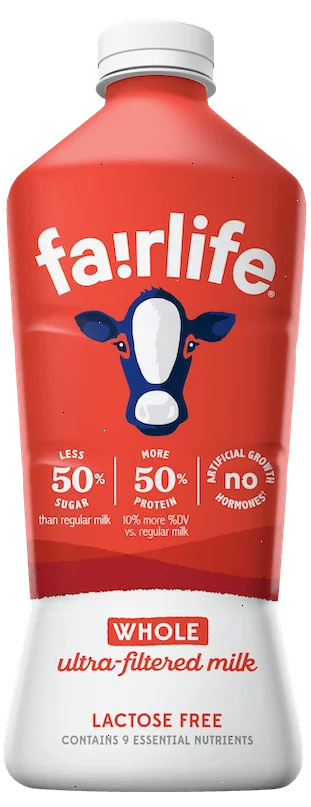
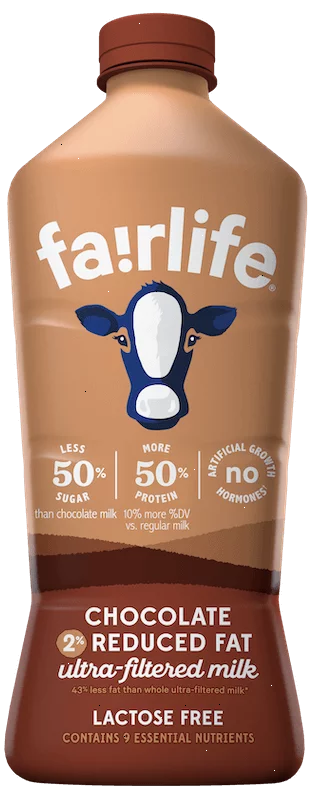
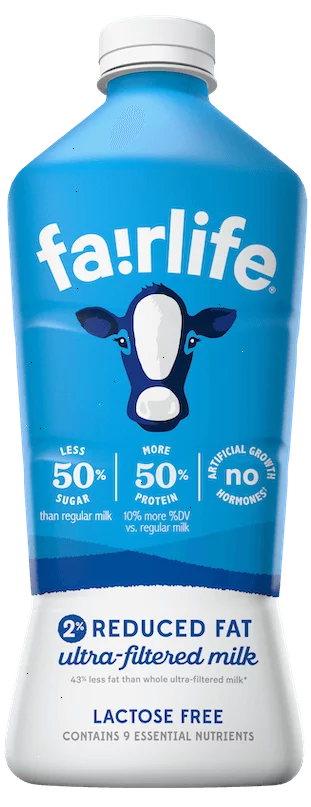
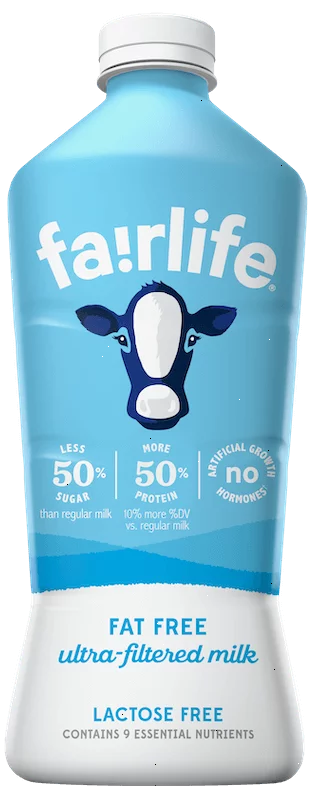
Ultra-filtered milk is a dairy product that undergoes an advanced filtration process to concentrate protein and calcium while removing much of the lactose and water. The result is a nutrient-dense milk with roughly twice the protein of regular milk and about half the sugar. Brands like Fairlife have popularized this category, offering options like 2% Reduced Fat Ultra-Filtered Milk and CHOCOLATE ULTRA-FILTERED MILK. These products are ideal for fitness enthusiasts, those managing blood sugar, or anyone looking to increase protein intake without extra calories.
What Is Oat Milk?
Oat milk is a plant-based alternative made by blending soaked oats with water, then straining the liquid. It naturally contains some fiber (beta-glucan) and is often fortified with vitamins like B12 and D. However, oat milk is typically lower in protein than dairy or ultra-filtered milk, with around 2-4 grams per serving. Its neutral, slightly sweet flavor and creamy consistency have made it a favorite for coffee drinks and baking.
Protein Content: The Clear Winner
Protein is a major differentiator in this comparison. One cup of ultra-filtered milk provides about 13 grams of high-quality protein, including all essential amino acids. In contrast, oat milk offers only 2-4 grams per cup, and the protein is incomplete (missing some essential amino acids). For athletes, bodybuilders, or anyone focused on muscle repair and satiety, ultra-filtered milk is far superior. Products like CORE POWERC HOCOLATE deliver 26 grams of protein per bottle—perfect as a post-workout recovery drink. Oat milk simply cannot compete on this metric.
Protein Comparison Table
| Milk Type | Protein Per Cup (8 oz) | Calories | Sugar (natural) |
|---|---|---|---|
| Ultra-Filtered Whole Milk | 13g | 120 | 6g |
| Ultra-Filtered Chocolate Milk | 13g | 140 | 12g |
| Oat Milk (unsweetened) | 2-4g | 80-100 | 0-7g |
| Oat Milk (sweetened) | 2-4g | 120-150 | 10-16g |
Taste and Texture: Creamy vs. Oaty
Ultra-filtered milk tastes just like regular milk—rich, creamy, and slightly sweet from natural lactose. It works beautifully in coffee, cereal, and cooking without any aftertaste. Oat milk, on the other hand, has a distinct oaty flavor and a thinner consistency, though some barista blends are formulated to foam well. People who dislike the earthy taste of oats may find oat milk less appealing. For a straightforward, dairy-like experience, ultra-filtered milk is the winner.
Environmental Impact: A Nuanced Debate
Oat milk is often marketed as eco-friendly because oats require less water and land than dairy cows. However, the production of ultra-filtered milk also has a relatively lower carbon footprint compared to traditional dairy because it requires less milk per gallon of finished product—the filtration process concentrates nutrients, reducing transportation and packaging needs. Moreover, oat milk's environmental benefits can be offset by the fact that most oat milk is sold in Tetra Pak cartons (hard to recycle) and often contains added oils and gums. When comparing ultra-filtered milk vs oat milk on sustainability, it's important to consider the entire lifecycle. Some studies show that ultra-filtered milk can have a carbon footprint comparable to oat milk, especially when sourced from regenerative dairy farms.
Nutritional Profile Beyond Protein
Ultra-filtered milk is naturally rich in calcium, potassium, vitamin D, and B12, with no added thickeners or gums. Oat milk is typically fortified with these nutrients, but the absorption may be less efficient. Additionally, ultra-filtered milk is lactose-free because the filtration process removes most of the lactose, making it suitable for many lactose-intolerant individuals. Oat milk is naturally free of lactose, but it contains gluten (unless certified gluten-free) and can spike blood sugar due to its higher carbohydrate content from natural oat sugars.
Which Milk Is Best for Fitness?
If your goal is muscle gain, weight management, or post-workout recovery, ultra-filtered milk is the clear best choice. Its high protein content supports muscle protein synthesis, and the low sugar content helps maintain steady energy levels. For example, a bottle of CORE POWERM VANILLAE provides 26 grams of protein with only 150 calories—ideal for a quick refuel. Oat milk, while hydrating, simply doesn’t offer enough protein to support serious fitness goals without additional supplementation.
Cost and Availability
Ultra-filtered milk is typically more expensive than regular milk but is widely available in grocery stores and online. Oat milk is also affordable and widely stocked. However, for the nutritional value per dollar, ultra-filtered milk provides more protein and fewer empty calories. If you’re on a budget, consider buying larger bottles of ultra-filtered milk, such as the 59-ounce size, to reduce per-serving cost.
Final Verdict: Ultra-Filtered Milk Wins for Nutrition and Taste
When comparing oat milk vs fairlife or any ultra-filtered milk brand, the dairy option comes out ahead in protein, taste, and overall nutritional density. Oat milk is a good option for those who are vegan or allergic to dairy, but for everyone else—especially fitness enthusiasts—ultra-filtered milk offers superior benefits. If you haven't tried it yet, start with a classic like 2% REDUCED FAT 14oz ultra-filtered milk in your morning coffee or over cereal, and experience the difference.
Ultimately, the best milk for fitness depends on your specific diet and goals. But for most people, ultra-filtered milk provides a perfect balance of taste, nutrition, and environmental responsibility that oat milk simply cannot match. Give it a try—your muscles and taste buds will thank you.
Ready to upgrade your protein game? Explore our selection of ultra-filtered milk and protein shakes. For a great starting point, check out CHOCOLATE 14oz ultra-filtered milk for a delicious, high-protein treat that fits any lifestyle.