Ultra-Filtered Milk vs Pea Protein Shakes: Which Plant-Based Option Wins?
By Fairlifesale | Published: 2026-06-07
Category: Product Reviews
Compare ultra-filtered milk and pea protein shakes for protein content, taste, cost, and sustainability. Discover which plant-based option fits your fitness and dietary goals.
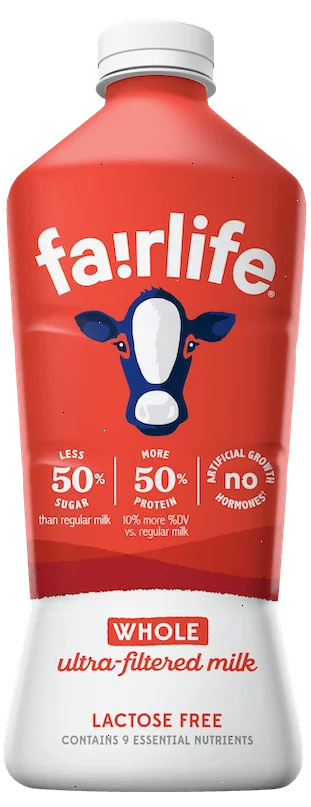
With the rise of plant-based diets, protein enthusiasts are increasingly comparing ultra-filtered milk to pea protein shakes. Both offer impressive nutritional profiles, but they differ significantly in taste, texture, digestibility, and environmental impact. If you're looking for a high-protein beverage that aligns with your health goals and ethical values, understanding these differences is crucial. In this article, we’ll break down how WHOLE ULTRA-FILTERED MILK stacks up against popular pea protein shakes, covering everything from protein quality to sugar content.
What Is Ultra-Filtered Milk?
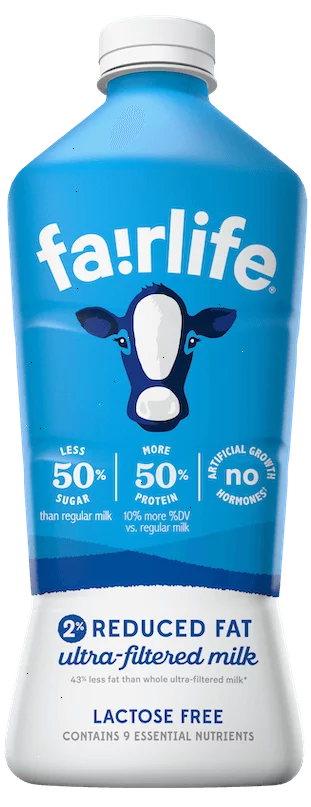
Ultra-filtered milk is a dairy product that undergoes a filtration process to concentrate protein and remove much of the lactose and sugar. The result is a creamy, protein-rich beverage with about 13 grams of protein per cup—almost double that of regular milk. Brands like Fairlife offer ultra-filtered milk in various fat levels, including whole, 2%, and fat-free. Products such as 2% REDUCED FAT 14oz ultra-filtered milk provide 13g of protein with only 6g of sugar, making it a popular choice among athletes and health-conscious consumers.
What Are Pea Protein Shakes?
Pea protein shakes are plant-based protein supplements derived from yellow split peas. They are naturally vegan, dairy-free, and often hypoallergenic. Pea protein isolates typically contain 20–25 grams of protein per serving, with minimal fat and carbohydrates. Many brands add flavors, sweeteners, and thickeners to improve taste and texture. Pea protein is a complete protein, meaning it contains all nine essential amino acids, though it is slightly lower in methionine than animal-based proteins.
Protein Quality and Amino Acid Profile
When comparing ultra-filtered milk vs pea protein, protein quality is a key factor. Ultra-filtered milk is a complete protein source with an excellent amino acid profile, including high levels of leucine, which is critical for muscle protein synthesis. Pea protein is also a complete protein, but it is slightly lower in methionine and cysteine. However, when combined with other plant proteins like rice or hemp, pea protein can match or exceed dairy in terms of amino acid scores. For most people, both options provide sufficient protein for muscle repair and growth.
Digestibility and Allergies
Ultra-filtered milk is low in lactose, making it easier to digest for many lactose-intolerant individuals. However, it still contains casein and whey, which can trigger allergies in some people. Pea protein is naturally free of dairy, gluten, and soy, making it a safe choice for those with multiple food sensitivities. Pea protein is also generally well-tolerated, though some people experience bloating or gas due to its fiber content.
Taste and Texture Comparison
Taste is often the deciding factor in the ultra-filtered milk vs pea protein debate. Ultra-filtered milk has a rich, creamy mouthfeel that closely resembles regular milk. It works well as a standalone drink, in smoothies, or as a base for recipes. Pea protein shakes, on the other hand, can have a slightly gritty or chalky texture, and some brands have a distinct earthy or beany flavor. While many flavored pea protein powders mask this taste effectively, they often require vigorous shaking or blending to achieve a smooth consistency.
Culinary Versatility
Ultra-filtered milk shines in cooking and baking because it behaves like regular milk. You can use it to make creamy sauces, oatmeal, coffee creamer, or even high-protein desserts. Pea protein powder is more limited in culinary applications—it works best in shakes, bars, and baked goods but can become dense or dry if used in large amounts. For everyday drinking and recipe flexibility, ultra-filtered milk is generally more versatile.
Nutritional Comparison Table
| Nutrient (per 8 oz serving) | Ultra-Filtered Milk (2%) | Pea Protein Shake (unsweetened) |
|---|---|---|
| Calories | 120 | 100–120 |
| Protein | 13g | 20–25g |
| Carbohydrates | 6g | 1–3g |
| Fat | 5g | 1–2g |
| Calcium | 30% DV | 0–10% DV |
| Vitamin D | 25% DV | 0% DV |
As the table shows, pea protein shakes offer more protein per serving and fewer carbohydrates, making them ideal for low-carb or high-protein diets. However, ultra-filtered milk provides essential micronutrients like calcium and vitamin D that pea protein lacks unless fortified.
Sustainability and Environmental Impact
For many consumers, the choice of ultra-filtered milk vs pea protein also involves environmental considerations. Pea protein has a lower carbon footprint than dairy farming, requires less water, and emits fewer greenhouse gases. However, ultra-filtered milk production is more efficient than standard dairy because it reduces waste and uses fewer resources per gram of protein. Fairlife’s ultra-filtered milk, for example, is produced with a focus on sustainability and animal welfare. Ultimately, if reducing environmental impact is your priority, pea protein may have a slight edge, but ultra-filtered milk is a more sustainable choice within the dairy category.
Cost and Accessibility
Ultra-filtered milk is widely available in grocery stores and typically costs $4–$6 per half-gallon. Pea protein powders range from $15 to $30 per tub, which yields 20–30 servings. On a per-serving basis, ultra-filtered milk is often cheaper (about $0.50–$0.75 per cup) compared to pea protein shakes ($1–$1.50 per serving). However, ready-to-drink pea protein shakes can cost $2–$4 per bottle, making them more expensive than ultra-filtered milk. For budget-conscious consumers, ultra-filtered milk is the more economical choice.
Best Uses for Each Option
- Ultra-Filtered Milk: Ideal as a daily beverage, for cooking, in coffee, for post-workout recovery, for children, and for those who prefer a creamy texture.
- Pea Protein Shakes: Best for vegans, those with dairy allergies, low-carb dieters, and as a convenient on-the-go protein supplement.
Which One Should You Choose?
The winner of the ultra-filtered milk vs pea protein debate depends on your dietary preferences, nutritional needs, and lifestyle. If you consume dairy and want a delicious, versatile, and nutrient-dense option, ultra-filtered milk is hard to beat. Products like STRAWBERRY FAT 14oz ultra-filtered milk offer a flavored, protein-packed treat that feels indulgent but supports your health goals. On the other hand, if you are vegan or lactose-intolerant and prioritize higher protein per serving with lower carbs, a quality pea protein shake may be the better fit.
Final Verdict
Both ultra-filtered milk and pea protein shakes are excellent sources of high-quality protein. Ultra-filtered milk wins on taste, culinary versatility, and micronutrient content, while pea protein shakes excel in protein density, low-carb profile, and plant-based purity. For most people, incorporating both into their diet can provide a balanced approach to protein intake. If you’re ready to try a creamy, protein-rich dairy option, explore the WHOLE ULTRA-FILTERED MILK from Fairlife—it’s a simple swap that can boost your daily protein without sacrificing flavor.
Discover more about ultra-filtered milk and how it can fit into your active lifestyle by checking out our full range of products. Whether you need a post-workout recovery drink or a nutritious breakfast companion, we have the perfect option for you.