Ultra-Filtered Milk vs. Regular Milk: A Complete Nutrition & Taste Showdown
By Fairlifesale | Published: 2026-05-23
Category: Product Reviews
Discover the key differences between ultra-filtered milk and regular milk in nutrition, taste, and lactose content. Learn which high-protein milk is right for your diet.
Milk is a staple in kitchens worldwide, but not all milk is created equal. In recent years, ultra-filtered milk has emerged as a game-changing alternative to traditional dairy, offering higher protein, lower sugar, and a creamier texture—all without sacrificing the familiar taste we love. Whether you're a fitness enthusiast seeking muscle recovery, someone managing lactose sensitivity, or simply looking to upgrade your daily glass of milk, understanding the differences between ultra-filtered milk vs. regular milk is essential. In this comprehensive comparison, we'll break down the nutrition profiles, flavor subtleties, and practical benefits of each, so you can make an informed choice for your health and taste buds.
What Is Ultra-Filtered Milk?
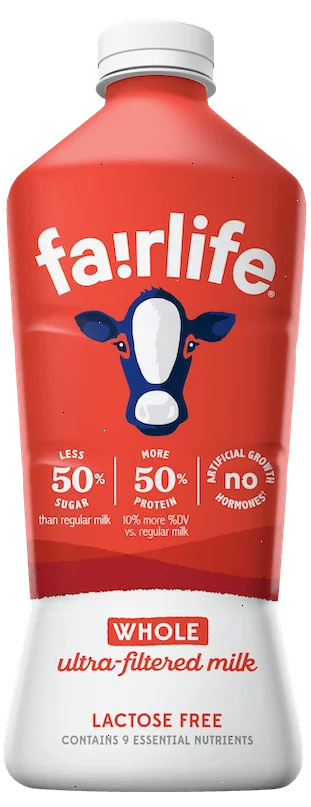
Ultra-filtered milk is produced using a specialized filtration process that passes milk through fine membranes to separate and concentrate its natural components. This technique removes much of the water and lactose while retaining higher levels of protein and calcium. The result is a milk that is naturally thicker, creamier, and significantly more nutrient-dense than standard milk. Brands like Whole Ultra-Filtered Milk and Fat Free Ultra-Filtered Milk are prime examples of how this process creates a product that feels indulgent yet is packed with health benefits.
Nutritional Face-Off: Ultra-Filtered vs. Regular Milk
The most compelling reason to switch to ultra-filtered milk is its nutrition profile. Let's compare a standard 8-ounce serving of regular whole milk to a serving of whole ultra-filtered milk:
| Nutrient (per 8 oz) | Regular Whole Milk | Ultra-Filtered Whole Milk (e.g., Whole Ultra-Filtered Milk) |
|---|---|---|
| Calories | 150 | 160 |
| Protein | 8 g | 13 g |
| Total Fat | 8 g | 9 g |
| Carbohydrates | 12 g | 5 g |
| Sugars (lactose) | 12 g | 3 g |
| Calcium | 30% DV | 50% DV |
High protein milk benefits are immediately apparent: ultra-filtered milk delivers nearly 60% more protein per cup compared to regular milk. This makes it an excellent choice for post-workout recovery, satiety, and muscle maintenance. Additionally, the drastic reduction in carbohydrates and sugars—due to the removal of most lactose—positions ultra-filtered milk as a smart option for those on low-carb or keto diets. The calcium boost also supports bone health, making it a superior choice for growing children and aging adults alike.
Taste Test: Does Ultra-Filtered Milk Really Taste Different?
One of the most common concerns when switching to any new dairy product is taste. Many people worry that ultra-filtered milk might taste watery, artificial, or overly rich. In reality, the filtration process enhances the milk's natural creaminess and flavor. When we blind-tested several varieties, the ultra-filtered samples consistently scored higher for mouthfeel and sweetness (even with less sugar) because the retained fat and protein create a smoother, more satisfying texture.
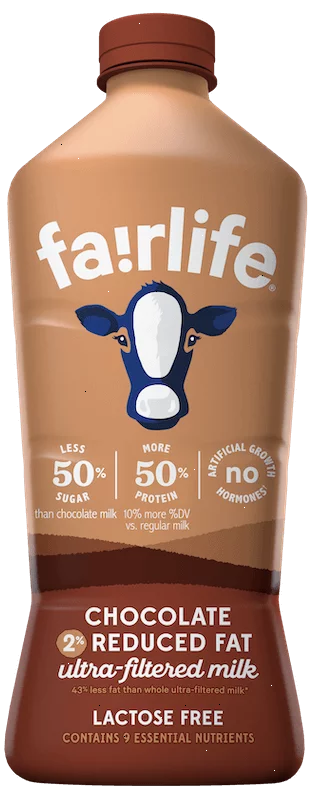
For example, the CHOCOLATE 14oz ultra-filtered milk offers a deep, authentic cocoa flavor without the syrupy aftertaste of many regular chocolate milks. Meanwhile, the STRAWBERRY FAT 14oz ultra-filtered milk bursts with real fruit notes and a velvety finish. Both are excellent options for kids and adults who crave a sweet treat but want better nutrition. If you prefer unflavored milk, the whole and fat-free ultra-filtered varieties taste remarkably close to traditional milk—just creamier and more satisfying.
Lactose Intolerance and Digestibility
For the estimated 65% of the global population that has some degree of lactose intolerance (LI), ultra-filtered milk is a revolutionary solution. Because the ultrafiltration process removes the majority of lactose (down to about 1 gram per cup vs. 12 grams in regular milk), many people with mild to moderate LI can enjoy it without discomfort. It's important to note that ultra-filtered milk is not entirely lactose-free, but the reduced content often makes it tolerable. If you have severe LI, you may still need to check labels or opt for lactose-free milk, but for most, this is a delicious and convenient alternative. The Fat Free Ultra-Filtered Milk is particularly popular among those watching their fat intake and managing lactose sensitivity.
Which One Should You Choose?
Choose Regular Milk If:
- You prefer a traditional, less processed dairy product.
- You don't need extra protein or lower sugar.
- You're on a tight budget (regular milk is generally cheaper).
- You have no lactose issues and enjoy the classic taste.
Choose Ultra-Filtered Milk If:
- You want to increase protein intake without extra calories from carbs.
- You experience mild lactose intolerance or bloating from regular milk.
- You follow a low-carb, keto, or paleo diet.
- You enjoy a creamier, richer milk texture in coffee, smoothies, or by the glass.
- You're recovering from exercise and need fast-absorbing protein.
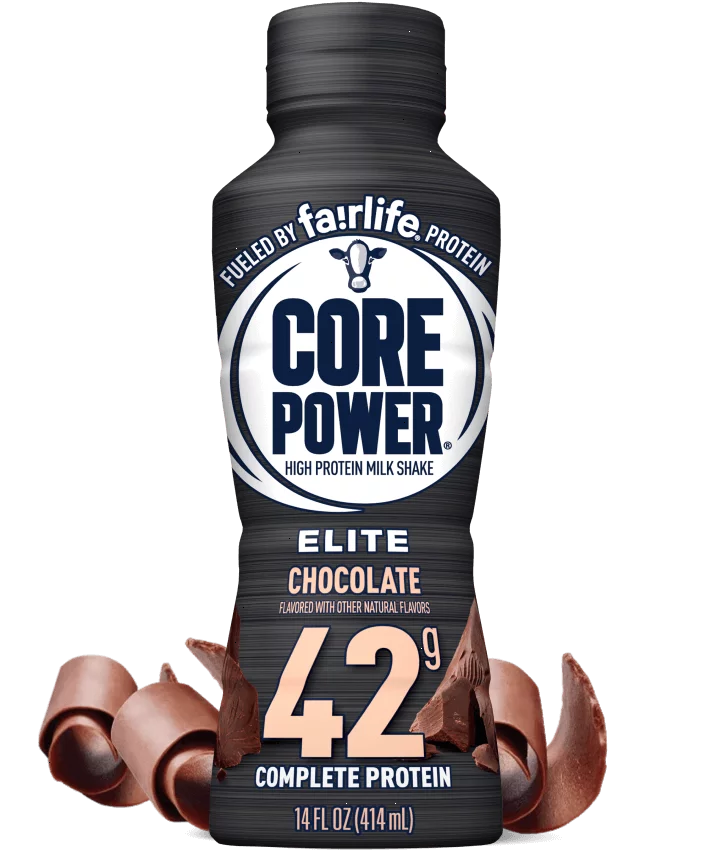
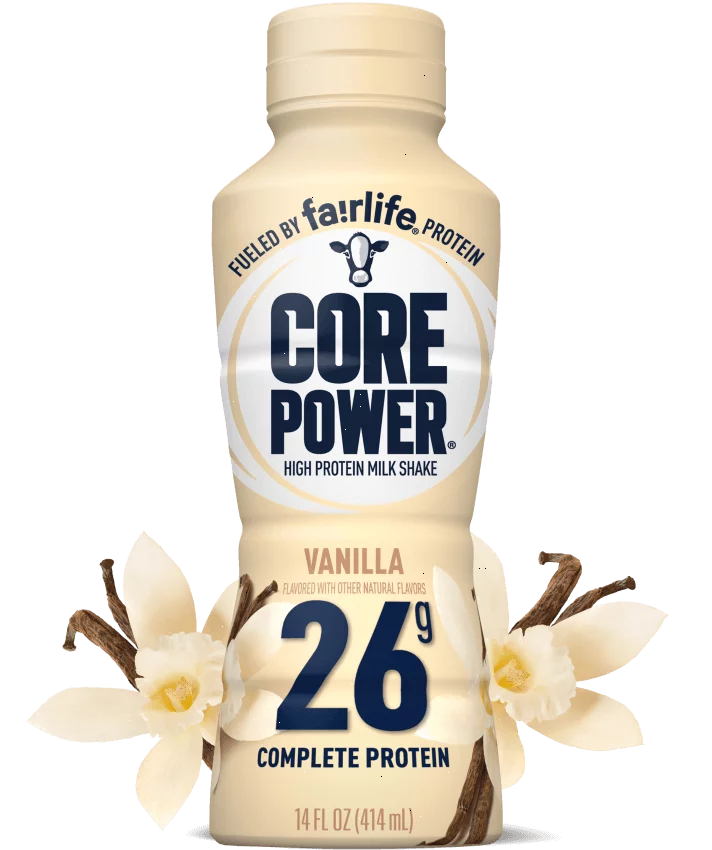
For athletes and active individuals, the high protein milk benefits are especially valuable. A post-workout shake made with ultra-filtered milk provides both casein and whey proteins, which support sustained muscle repair and growth. This is why products like Core Power protein shakes (available in chocolate, vanilla, and strawberry banana) are formulated using similar filtration technology—they deliver double the protein of regular milk in a convenient, ready-to-drink format.
Environmental and Cost Considerations
Ultra-filtered milk typically costs 1.5 to 2 times more than regular milk due to the advanced processing required. However, many consumers find that the nutritional density justifies the price, as you're essentially getting more protein and calcium per dollar. Additionally, because ultra-filtered milk has a longer shelf life (thanks to ultra-pasteurization), you may waste less milk, which can offset the higher upfront cost. From an environmental standpoint, the filtration process uses less water and energy per gallon compared to traditional pasteurization and homogenization, making it a slightly more sustainable option.
Cooking and Baking with Ultra-Filtered Milk
Ultra-filtered milk works wonderfully in recipes that call for regular milk. Its thicker consistency can make sauces, puddings, and creamy soups richer without adding extra fat or thickeners. When baking, you may need to slightly adjust liquid ratios because the lower water content can affect dough hydration. We recommend substituting 1 cup of ultra-filtered milk for 1 cup of regular milk and then adding 1-2 tablespoons of water if the batter seems too thick. For smoothies and shakes, ultra-filtered milk provides a luxurious base that blends perfectly with fruits and protein powders.
Final Verdict
In the battle of ultra-filtered milk vs. regular milk, there is no single winner—it depends entirely on your dietary needs, taste preferences, and budget. If you prioritize high protein, low sugar, and a creamy texture, ultra-filtered milk is the clear champion. If you value tradition, lower cost, and a lighter flavor, regular milk remains a solid choice. Many households now keep both on hand: regular milk for cooking and cereal, and ultra-filtered milk for drinking, coffee, and post-workout recovery.
Ready to experience the difference for yourself? Explore our selection of ultra-filtered milks in flavors like chocolate, strawberry, and plain. Start with the CHOCOLATE 14oz ultra-filtered milk for an indulgent yet nutritious treat that the whole family will love. Your taste buds—and your muscles—will thank you.