Ultra-Filtered Milk vs. Soy Milk: A Protein and Taste Comparison
By Fairlifesale | Published: 2026-05-27
Category: Product Reviews
Compare ultra-filtered milk and soy milk head-to-head on protein content, taste, calories, and nutrition. Discover which dairy alternative fits your diet and fitness goals best.
When you're standing in the dairy aisle, the choices can be overwhelming. Two popular options—ultra-filtered milk and soy milk—often compete for space in your cart, especially if you're focused on protein intake and great taste. Both have loyal fans, but they differ significantly in nutrition, flavor, and how they fit into your daily routine. In this article, we'll break down the key differences between ultra-filtered milk and soy milk, comparing protein content, taste, calories, and more, so you can make an informed decision for your health.
What Is Ultra-Filtered Milk?
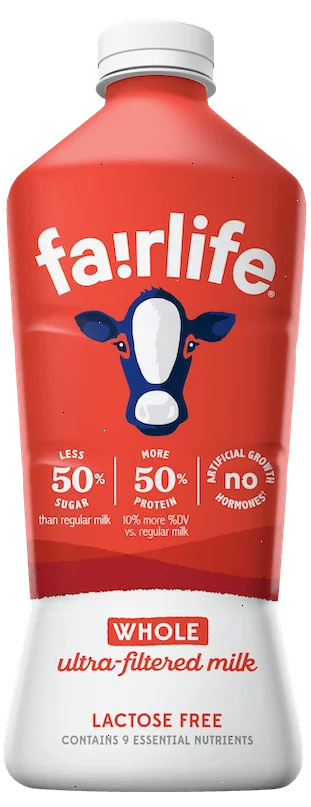
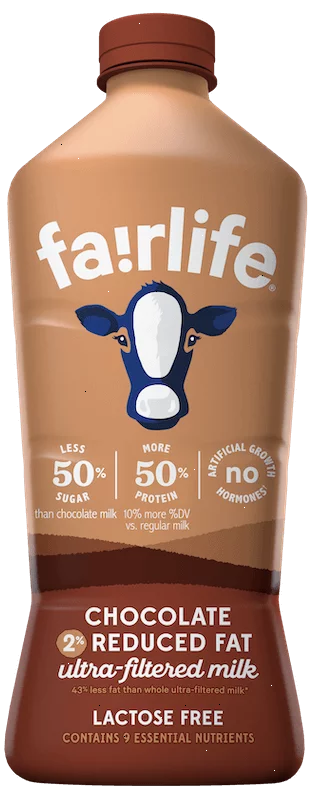
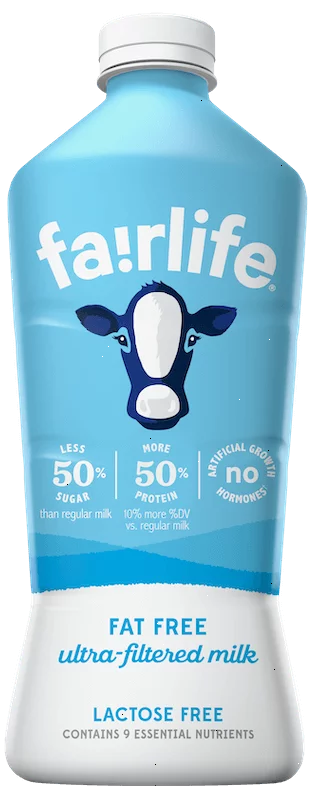
Ultra-filtered milk is real dairy milk that undergoes a specialized filtration process to concentrate protein and remove lactose while reducing sugar. The result is a creamy, nutrient-dense milk with roughly twice the protein of regular milk—often around 13 grams per cup—and a naturally sweet, clean taste. Brands like Fairlife offer a range of ultra-filtered products, including CHOCOLATE ULTRA-FILTERED MILK, which delivers a rich, indulgent flavor without the added sugar of traditional chocolate milk. It's a favorite among athletes, keto dieters, and anyone looking to boost protein without extra calories.
What Is Soy Milk?
Soy milk is a plant-based alternative made from whole soybeans or soy protein isolate. It's naturally lactose-free, vegan, and often fortified with calcium and vitamins. A typical unsweetened soy milk contains about 7–8 grams of protein per cup, making it one of the highest-protein plant milks available. Its flavor is mild and slightly nutty, though some brands add sweeteners or thickeners that can alter the taste. Soy milk has been a staple in dairy-free diets for decades, but it's not without controversy—some people avoid it due to concerns about phytoestrogens or GMOs.
Protein Content: Which Packs More Punch?
Protein is a major reason consumers choose either ultra-filtered milk or soy milk. Let's look at the numbers:
| Nutrient (per 1 cup / 240 ml) | Ultra-Filtered Milk (2% Reduced Fat) | Unsweetened Soy Milk |
|---|---|---|
| Calories | 120–130 | 80–100 |
| Protein | 13–15 g | 7–8 g |
| Fat | 4–5 g | 3.5–4.5 g |
| Carbohydrates | 6–7 g | 3–4 g |
| Sugar | 3–6 g (natural) | 0–1 g (unsweetened) |
| Calcium | 30–40% DV | 30–45% DV (fortified) |
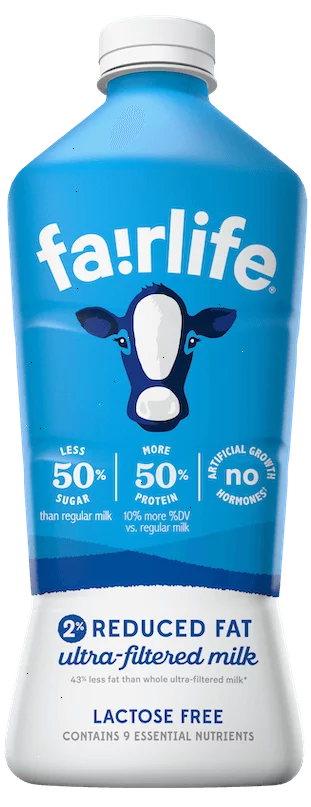
As the table shows, ultra-filtered milk offers nearly double the protein of soy milk per serving. For those focused on muscle recovery or satiety, that's a significant advantage. For example, a glass of 2% Reduced Fat Ultra-Filtered Milk provides 13 grams of complete dairy protein, including all essential amino acids, while soy milk's protein is plant-based and slightly less bioavailable. However, soy milk is a solid option for vegans or those with dairy allergies.
Taste and Texture: Creamy vs. Light
Taste is subjective, but there are clear differences. Ultra-filtered milk tastes like fresh, high-quality dairy milk—creamy, smooth, and slightly sweet due to the natural removal of lactose. The chocolate varieties, such as CHOCOLATE ULTRA-FILTERED MILK, are often described as rich and decadent without being cloying. Many people find it indistinguishable from regular milk but with a cleaner finish.
Soy milk, on the other hand, has a distinct beany flavor that some love and others dislike. Unsweetened versions can be thin and slightly bitter, while sweetened or vanilla-flavored options mask the soy taste. Texture-wise, soy milk is lighter than ultra-filtered milk, which can be a plus in coffee or smoothies but might not satisfy those craving a creamy mouthfeel in cereal or baking.
Calories and Sugar: Which Fits Your Diet?
If you're watching calories or carbs, both options have their merits. Ultra-filtered milk naturally contains less sugar than regular milk because the filtration process removes lactose. Unsweetened soy milk has nearly zero sugar, making it ideal for low-carb or keto diets. However, flavored soy milks can have added sugars that spike the carb count. Ultra-filtered milk's calorie count is slightly higher due to its protein and fat content, but that extra protein also keeps you fuller longer.
Nutritional Completeness: What Else Matters?
Beyond protein, consider the full nutritional profile. Ultra-filtered milk provides vitamin D, vitamin A, and B vitamins naturally, plus it's an excellent source of calcium. Soy milk is often fortified with similar nutrients, but the absorption of calcium from plant sources may be lower than from dairy. Also, ultra-filtered milk contains no soy allergens and is free from the phytoestrogens that concern some consumers. For those with lactose intolerance, ultra-filtered milk is safe because most of the lactose is removed.
Best Uses in Recipes and Daily Life
Both milks excel in different scenarios:
- In coffee: Ultra-filtered milk steams beautifully and creates a creamy latte. Soy milk can curdle if not heated properly, though barista blends help.
- In smoothies: Ultra-filtered milk adds a thick, protein-rich base. Soy milk works too but may require a banana or yogurt for creaminess.
- In cereal: Ultra-filtered milk keeps its texture and doesn't get watery. Soy milk can feel thin.
- In baking: Ultra-filtered milk substitutes 1:1 for regular milk, while soy milk may alter texture slightly.
- Post-workout: Ultra-filtered milk is a top choice for rapid protein delivery, thanks to its high casein and whey content.
Cost and Availability
Ultra-filtered milk is typically priced higher than regular milk but comparable to premium organic dairy. Soy milk is often cheaper, especially in bulk or store brands. However, the protein density of ultra-filtered milk can make it more cost-effective per gram of protein. Both are widely available in major grocery stores and online.
Which One Should You Choose?
Your choice depends on your dietary needs and taste preferences:
- Choose ultra-filtered milk if you want maximum protein, creamy texture, and a natural dairy taste without the lactose. It's ideal for athletes, keto dieters, and families looking for a nutrient-dense milk alternative.
- Choose soy milk if you follow a vegan diet, have a dairy allergy, or prefer a plant-based option with moderate protein. It's also lower in calories and sugar if unsweetened.
For many people, the best approach is to keep both on hand: ultra-filtered milk for drinking and cooking, and soy milk for plant-based recipes or when you want a lighter beverage.
Final Verdict
In the battle of ultra-filtered milk vs. soy milk, ultra-filtered milk wins on protein content and taste for dairy lovers, while soy milk holds its own as a versatile, plant-based option. If you're looking to boost your protein intake without compromising flavor, give ultra-filtered milk a try—you might be surprised by how much you enjoy it.
Ready to experience the difference? Explore the rich, creamy CHOCOLATE ULTRA-FILTERED MILK from Fairlifesale and see how it elevates your daily nutrition. With 13 grams of protein per cup and a decadent taste, it's the perfect choice for a healthy, satisfying treat.