Ultra-Filtered Milk vs. Traditional Protein Shakes: A Cost-Per-Gram Analysis for Smart Shoppers
By Fairlifesale | Published: 2026-06-03
Category: Product Reviews
Discover which protein source gives you the best value: ultra-filtered milk or traditional protein shakes. We break down cost per gram, nutrition, and convenience.
When you're serious about hitting your daily protein goals, every gram counts—and so does every dollar. With so many protein options on the market, from powders to ready-to-drink shakes to ultra-filtered milk, it can be overwhelming to figure out which one delivers the most protein for your money. In this article, we’ll conduct a straightforward cost-per-gram protein analysis comparing ultra-filtered milk with traditional protein shakes. We’ll look at price, protein content, convenience, and overall value to help you make an informed decision. Whether you’re a gym regular, a busy professional, or someone simply trying to eat healthier, understanding the economics of protein can save you both cash and effort.
What Is Ultra-Filtered Milk?
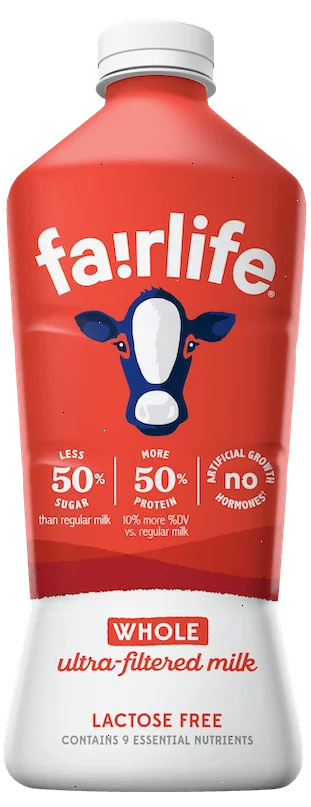
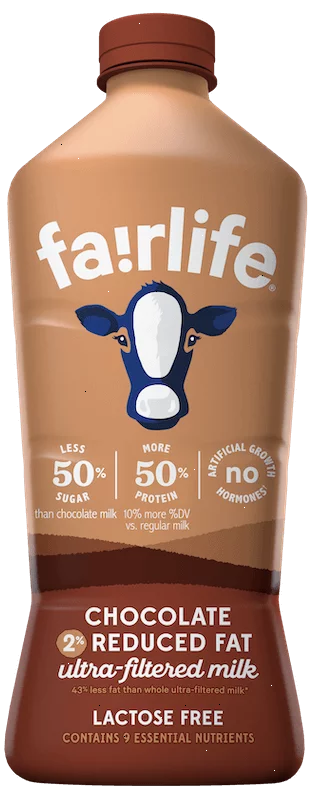
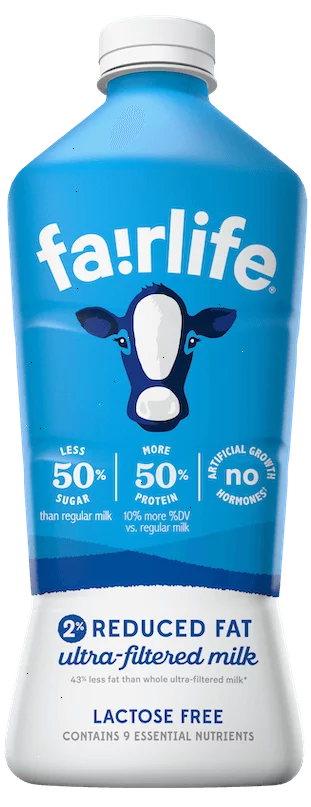
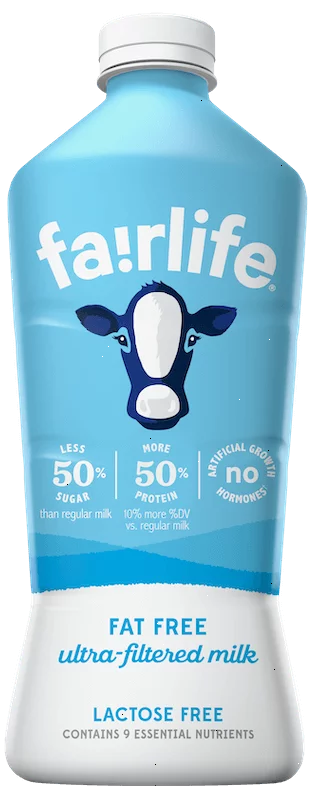
Ultra-filtered milk is a dairy product that undergoes a special filtration process to concentrate protein and remove most of the lactose while retaining calcium and other nutrients. Brands like Fairlife have popularized this category with products such as CHOCOLATE ULTRA-FILTERED MILK and WHOLE ULTRA-FILTERED MILK. These milks typically contain 13–15 grams of protein per 8-ounce serving—about double that of regular milk—and are naturally lower in sugar. They can be drunk on their own, used in smoothies, or added to recipes, making them a versatile protein source.
What Are Traditional Protein Shakes?
Traditional protein shakes come in two main forms: powdered protein (whey, casein, or plant-based) that you mix with water or milk, and ready-to-drink (RTD) shakes that come pre-mixed in bottles or cartons. Popular examples include whey protein powders from brands like Optimum Nutrition or Dymatize, and RTD options like Fairlife’s Core Power line. For this analysis, we’ll focus on whey-based shakes since they are the most comparable to ultra-filtered milk in terms of protein density and digestibility.
Why Cost Per Gram of Protein Matters
Cost per gram of protein is a simple metric: divide the total cost of a product by the total grams of protein it contains. For example, if a tub of whey protein costs $50 and contains 1,000 grams of protein, the cost per gram is $0.05. This number allows you to compare products of different sizes and formats on a level playing field. It’s especially useful for budget-conscious shoppers who want to maximize their protein intake without overspending.
Factors That Influence Cost Per Gram
- Convenience: Ready-to-drink shakes often cost more per gram than powders because of packaging and shipping.
- Ingredients: Added vitamins, flavors, or organic certifications can raise the price.
- Brand: Premium brands may charge a markup for marketing or perceived quality.
- Quantity: Buying in bulk usually lowers the per-gram cost.
Cost Comparison: Ultra-Filtered Milk vs. Whey Protein Powder
| Product Type | Typical Price (Per Serving) | Protein Per Serving | Cost Per Gram of Protein |
|---|---|---|---|
| Ultra-filtered milk (e.g., Fairlife 14oz) | $1.50 – $2.00 | 13–15g | $0.10 – $0.15 |
| Whey protein powder (bulk tub) | $1.00 – $1.50 | 25–30g | $0.03 – $0.06 |
| Ready-to-drink protein shake (e.g., Core Power) | $2.50 – $4.00 | 26–42g | $0.06 – $0.15 |
As the table shows, whey protein powder is the cheapest option on a per-gram basis, often costing just $0.03 to $0.06 per gram. Ready-to-drink shakes, including Core Power, range from $0.06 to $0.15 per gram. Ultra-filtered milk falls in a similar range to RTD shakes but offers the added benefit of being a whole food with calcium, vitamin D, and a creamy taste that many find more satisfying than a powdered mix.
Beyond the Price Tag: Hidden Costs and Benefits
Cost per gram is a great starting point, but it doesn’t tell the whole story. Here are additional factors to consider:
Convenience and Preparation Time
Whey protein powder requires a shaker bottle, water or milk, and a few seconds to mix. If you're on the go, that’s an extra step. Ultra-filtered milk, on the other hand, is ready to drink straight from the bottle. For example, a bottle of STRAWBERRY FAT 14oz ultra-filtered milk provides 13 grams of protein in a portable, no-mess package. Similarly, CORE POWER ELITE VANILLA delivers 42 grams of protein in a single bottle—a huge time-saver for athletes with busy schedules.
Digestibility and Lactose Content
Ultra-filtered milk is naturally low in lactose because the filtration process removes most of the sugar. Many people who are lactose intolerant can tolerate it well. Whey protein isolates also have very low lactose, but some cheaper whey concentrates can cause bloating. If you have a sensitive stomach, ultra-filtered milk may be a gentler option.
Nutritional Profile Beyond Protein
Ultra-filtered milk contains calcium, potassium, and vitamin D—nutrients that are often absent in protein powders. If you’re looking for a more complete nutritional package, ultra-filtered milk edges ahead. However, if you’re solely focused on hitting high protein targets (e.g., 150g+ per day), powder remains the most efficient and cost-effective choice.
When to Choose Ultra-Filtered Milk Over Protein Shakes
- As a meal replacement: The added carbs and fats in milk make it more satiating than a plain protein shake.
- For post-workout recovery: The combination of protein and natural sugars (lactose) can help replenish glycogen stores.
- For baking or cooking: Ultra-filtered milk can replace regular milk in recipes to boost protein content without altering taste.
- If you dislike the taste of protein powder: Many people find milk more palatable, especially flavored options like chocolate or strawberry.
When to Stick with Traditional Protein Shakes
- If you need very high protein per dollar: Whey powder is unbeatable on cost per gram.
- If you want to control macros precisely: Powder allows you to adjust serving size to the exact gram.
- If you are vegan or avoid dairy: Plant-based protein powders are available, though they often cost more.
- If you travel frequently: Powder can be packed in a bag and mixed anywhere with water.
Real-World Scenario: A Week of Protein
Let’s say you need 140 grams of protein per day. Here’s how the costs stack up over a week (7 days):
- Using whey powder: At $0.05/g, 140g/day × 7 = 980g → $49.00
- Using ultra-filtered milk: At $0.12/g, same amount → $117.60
- Using Core Power Elite shakes: At $0.10/g (42g per bottle, ~$4.00 each) → $93.33
Clearly, whey powder is the cheapest. But if you factor in convenience and taste, the gap narrows. Ultra-filtered milk and Core Power shakes are viable for those who prioritize time and enjoyment.
Final Verdict: Which One Should You Buy?
There’s no single right answer—it depends on your priorities. If your budget is tight and you don’t mind mixing drinks, whey protein powder is the most economical. If you value convenience, taste, and a whole-food profile, ultra-filtered milk offers an excellent middle ground. For athletes who need a high-protein, ready-to-drink option, Core Power Elite shakes deliver exceptional value in terms of protein density per bottle.
To make the best choice, consider keeping both on hand: use powder for daily shakes and ultra-filtered milk for a quick breakfast or post-workout snack. That way, you get the best of both worlds.
Ready to Try Ultra-Filtered Milk?
If you’re curious about making the switch, start with a classic favorite: CHOCOLATE ULTRA-FILTERED MILK. It’s rich, creamy, and packs 13 grams of protein per serving—perfect for sipping after a workout or as a healthy treat. Explore the full range at Fairlifesale and find the protein solution that fits your lifestyle and budget.