The Future of Dairy: How Ultra-Filtered Milk is Shaping the Next Generation of Protein Products
By Fairlifesale | Published: 2026-05-28
Category: Industry News
Discover how ultra-filtered milk is revolutionizing the dairy industry with higher protein, less sugar, and sustainable processing. Explore trends in protein innovation and product development.
The dairy aisle is undergoing a quiet revolution. For decades, milk was milk—a simple, wholesome staple. But today, a new processing technology is reshaping what we expect from our glass of white. Ultra-filtered milk has emerged as a game-changer, delivering significantly more protein, less sugar, and a creamier texture without any additives. As consumer demand for functional, high-protein foods continues to soar, ultra-filtered milk is not just a trend—it's the foundation of the next generation of dairy products. In this article, we explore how this innovation is driving the future of dairy and why it matters for health-conscious consumers and the industry alike.
What Is Ultra-Filtered Milk and Why Is It Different?
Ultra-filtered milk is produced using a specialized filtration process that separates milk into its core components: water, lactose, minerals, and protein. By passing milk through fine membranes under pressure, manufacturers can concentrate the protein and remove much of the lactose and water. The result is a milk that typically contains about twice the protein of conventional milk, half the sugar, and a richer mouthfeel. This process is not new—it has been used for years in cheese making—but its application to fluid milk is relatively recent and rapidly gaining traction.
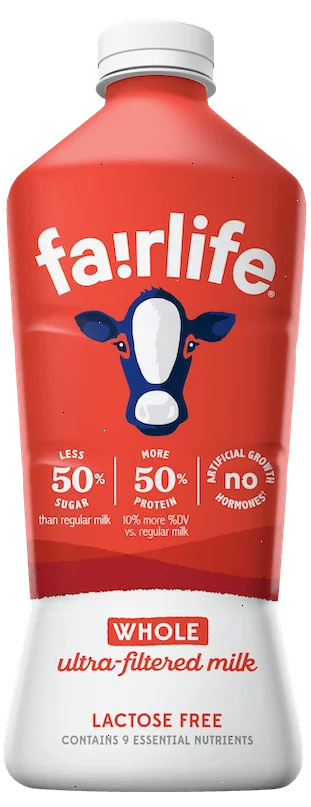
The key advantage? Consumers get a product that fits modern nutritional goals: high protein for satiety and muscle repair, low sugar for blood sugar management, and a clean label with no artificial thickeners or sweeteners. Brands like Fairlife have led the charge, offering a range of ultra-filtered milks and protein shakes that appeal to athletes, dieters, and families alike.
The Science Behind the Filtration Process
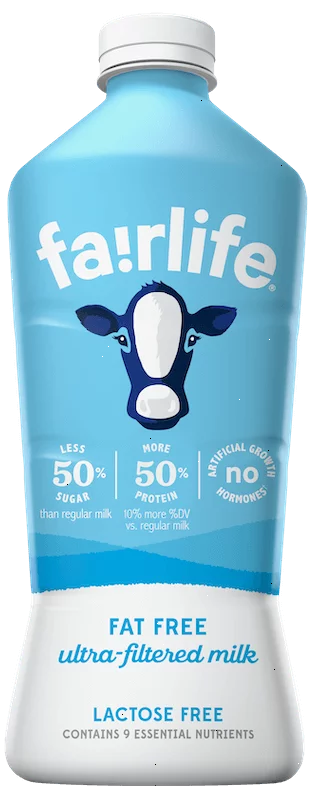
Understanding the technology helps explain why ultra-filtered milk is so different. The process typically involves two steps: microfiltration and ultrafiltration. Microfiltration removes bacteria and spores, extending shelf life without ultra-pasteurization (though many brands still ultra-pasteurize for safety). Ultrafiltration then uses membranes with even smaller pores to separate lactose, water, and some minerals from the protein and fat. The concentrated liquid is then blended back to desired fat levels—whole, 2%, or fat-free—and fortified with vitamins A and D.
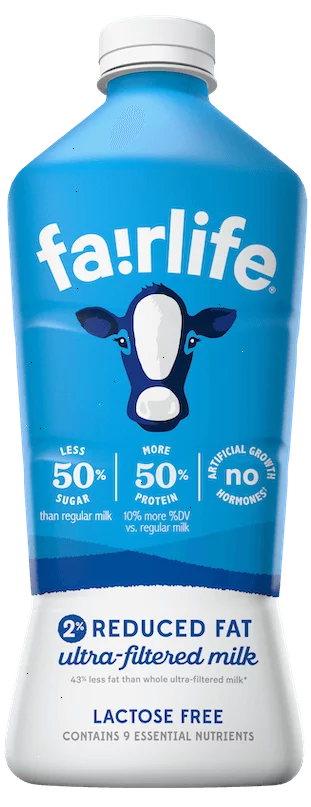
This precision allows manufacturers to tailor the nutritional profile. For example, a 14-ounce bottle of 2% REDUCED FAT 14oz ultra-filtered milk delivers 13 grams of protein with only 6 grams of sugar—compared to 8 grams of protein and 12 grams of sugar in conventional 2% milk. That’s a 60% protein boost and a 50% sugar reduction, all without removing the natural goodness of dairy.
How Ultra-Filtered Milk Is Driving Protein Product Innovation
The rise of ultra-filtered milk has sparked a wave of new product development. Beyond the basic carton, brands are creating ready-to-drink protein shakes, high-protein coffee creamers, and even ultra-filtered milk-based yogurts and cheeses. These products cater to a market that no longer sees milk as just a beverage but as a functional ingredient for muscle recovery, weight management, and convenient nutrition.
Take, for instance, the ready-to-drink shake category. Brands like Core Power have built entire product lines around ultra-filtered milk, offering 20–42 grams of protein per bottle with minimal sugar. The CORE POWER ELITE CHOCOLATE, for example, packs 42 grams of protein in a 14-ounce serving—ideal for serious athletes post-workout. These shakes are not just for gym-goers; they are increasingly used by busy professionals, travelers, and older adults looking for easy, high-quality protein.
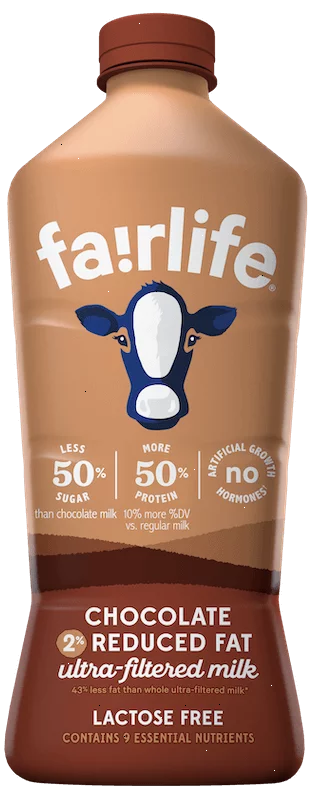
Innovation is also occurring in the dairy aisle itself. Ultra-filtered chocolate milk, like CHOCOLATE 14oz ultra-filtered milk, offers a guilt-free indulgence with 50% less sugar than traditional chocolate milk, making it a hit among parents and health-conscious consumers. The ability to reduce sugar without artificial sweeteners is a significant selling point in an era of clean-label demand.
Why Consumers Are Switching to Ultra-Filtered Milk
Several macro trends are driving consumer adoption of ultra-filtered milk. First, the growing awareness of protein’s role in health—from muscle maintenance to weight management—has made high-protein dairy a priority. Second, the sugar-reduction movement has consumers actively seeking products with less added and natural sugar. Third, sustainability concerns are pushing people toward dairy with a lower environmental footprint (ultra-filtered milk requires less milk to produce the same amount of protein, reducing land and water use).
Importantly, ultra-filtered milk retains the taste and mouthfeel of regular milk—unlike many plant-based alternatives—making it an easy swap for families. It works perfectly in coffee, cereal, cooking, and baking. For those on keto or low-carb diets, it provides a creamy, low-lactose option that fits macros seamlessly.
The Role of Ultra-Filtered Milk in Sustainable Dairy
Beyond nutrition, ultra-filtered milk offers environmental benefits. Because the filtration process concentrates protein, less raw milk is needed to deliver the same protein content. This means fewer cows, less feed, less water, and lower greenhouse gas emissions per gram of protein. As the dairy industry faces pressure to reduce its carbon footprint, ultra-filtered milk represents a path forward—producing more value from less resource.
Additionally, the extended shelf life of ultra-filtered milk (often 30–45 days unopened) reduces food waste, a major environmental issue. Consumers can buy in bulk without fear of spoilage, and retailers lose less product to expiration.
Challenges and Future Outlook
Despite its advantages, ultra-filtered milk faces hurdles. The production cost is higher due to specialized equipment and energy use, which translates to a premium price tag. Some consumers are put off by the cost, especially in price-sensitive markets. Education is also needed—many shoppers are unfamiliar with the term “ultra-filtered” and may confuse it with ultra-pasteurized or even plant-based milk.
However, as scale increases and technology improves, costs are expected to come down. Major dairy processors are investing in filtration capacity, and new entrants are bringing innovative products to market. We can expect to see ultra-filtered milk used in a wider array of products: high-protein cheese, yogurt, ice cream, and even shelf-stable protein drinks. The line between dairy and sports nutrition will continue to blur.
Looking ahead, the dairy industry is likely to adopt fractional filtration—customizing protein, fat, and lactose levels for specific applications. Imagine a milk optimized for baristas that froths perfectly with high protein, or a milk for children with lower sugar and added DHA. The possibilities are vast.
Comparing Ultra-Filtered Milk to Other Protein Sources
For context, here’s a quick comparison of ultra-filtered milk with other common protein sources (per 8-ounce serving):
| Product | Protein (g) | Sugar (g) | Calories | Key Benefit |
|---|---|---|---|---|
| Ultra-filtered 2% milk | 13 | 6 | 120 | High protein, low sugar |
| Conventional 2% milk | 8 | 12 | 130 | Traditional taste, lower cost |
| Whey protein shake (pre-mixed) | 20–30 | 2–5 | 150–200 | Very high protein, often sweetened |
| Soy milk (unsweetened) | 7 | 1 | 80 | Plant-based, low calorie |
Ultra-filtered milk strikes a compelling balance: it delivers more protein than conventional milk or most plant milks, with far less sugar than chocolate or flavored shakes. It’s a whole food, not a formulated supplement, which appeals to consumers seeking minimal processing.
How to Incorporate Ultra-Filtered Milk into Your Diet
Whether you’re an athlete, a busy parent, or someone managing a health condition, ultra-filtered milk can fit your lifestyle. Here are practical ideas:
- Post-workout recovery: Drink a glass of ultra-filtered milk or a Core Power shake within 30 minutes of exercise for rapid protein delivery.
- High-protein coffee: Use ultra-filtered milk in your morning latte for a creamy, protein-rich boost without extra sugar.
- Healthy baking: Substitute ultra-filtered milk in pancake, muffin, or cake recipes to increase protein content without altering texture.
- Kid-friendly snacks: Offer chocolate ultra-filtered milk as a treat that satisfies sweet cravings while delivering real nutrition.
- Meal prep: Use ultra-filtered milk in overnight oats, smoothies, or protein pudding for grab-and-go breakfasts.
For those new to the category, starting with a flavored option like CHOCOLATE 14oz ultra-filtered milk can make the transition easy—it tastes like a treat but functions like a health product.
Conclusion: A New Chapter for Dairy
Ultra-filtered milk is more than a passing fad. It represents a fundamental shift in how dairy is processed, marketed, and consumed. By leveraging advanced filtration technology, the industry can meet modern nutritional demands without sacrificing taste or sustainability. As protein innovation continues to drive food trends, ultra-filtered milk will likely become a standard ingredient in kitchens and gym bags alike. The future of dairy is here, and it’s filtered, concentrated, and packed with protein.
Ready to experience the future of dairy for yourself? Explore our selection of ultra-filtered milks and protein shakes, starting with the versatile 2% REDUCED FAT 14oz ultra-filtered milk—perfect for drinking, cooking, or blending into your next high-protein creation.