Ultra-Filtered Milk vs. Coconut Milk: A Protein and Calorie Comparison for Smoothies
By Fairlifesale | Published: 2026-06-10
Category: Product Reviews
Compare ultra-filtered milk and coconut milk for smoothies: protein content, calories, taste, and nutrition. Find out which dairy alternative wins for your fitness and dietary goals.
When crafting the perfect smoothie, the choice of liquid base can make or break your nutritional goals. Two popular options that often end up in the blender are ultra-filtered milk and coconut milk. While both offer unique benefits, they differ dramatically in protein content, calorie density, and overall nutrition. In this comprehensive comparison, we’ll break down the key differences between ultra-filtered milk and coconut milk, specifically for smoothie lovers, fitness enthusiasts, and anyone looking to optimize their daily shake.
Understanding Ultra-Filtered Milk
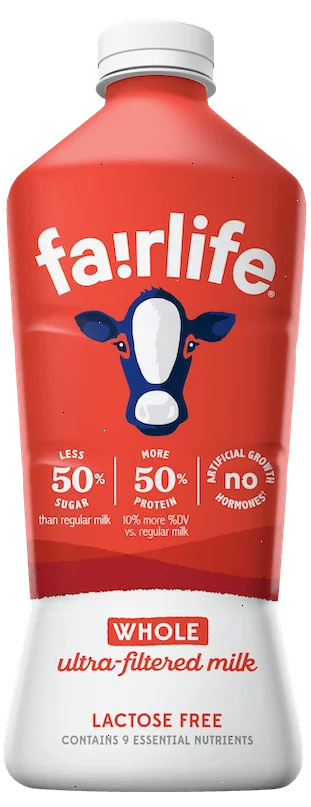
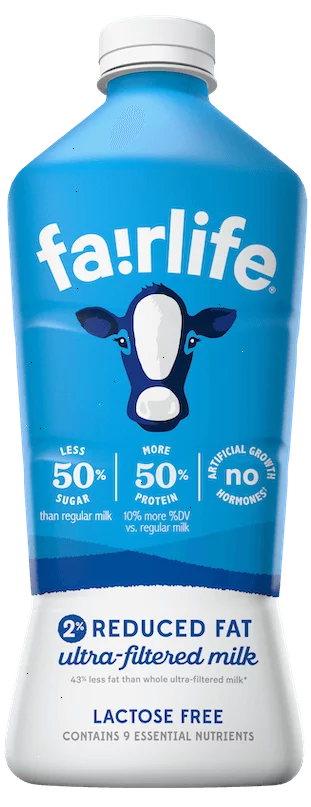
Ultra-filtered milk is a modern dairy innovation that uses a filtration process to concentrate protein and remove lactose while reducing sugar and fat. The result is a milk that is thicker, creamier, and significantly higher in protein than traditional milk. For example, a single cup of 2% Reduced Fat Ultra-Filtered Milk delivers about 13 grams of protein, compared to just 8 grams in regular 2% milk. It also contains only 6 grams of sugar—less than half of what you’d find in conventional milk—making it an ideal base for smoothies aimed at muscle recovery and weight management.
Understanding Coconut Milk
Coconut milk, on the other hand, is a plant-based alternative made from the grated flesh of mature coconuts. It comes in two main varieties: canned coconut milk (thick and high in fat, often used in cooking) and carton coconut milk (lighter, designed for drinking and smoothies). Carton coconut milk typically contains only 1 gram of protein per cup and around 4–5 grams of fat, depending on the brand. While it adds a tropical flavor and creamy texture, it falls short in the protein department—especially when compared to ultra-filtered milk.
Protein Showdown: Ultra-Filtered Milk vs. Coconut Milk
For anyone using smoothies as a meal replacement or post-workout recovery drink, protein is a critical factor. Let’s look at a head-to-head comparison:
| Nutrient (per 1 cup / 240ml) | Ultra-Filtered Milk (2% Reduced Fat) | Coconut Milk (Carton, Unsweetened) |
|---|---|---|
| Protein | 13g | 1g |
| Calories | 120 | 45–50 |
| Total Fat | 5g | 4.5g |
| Sugar | 6g (lactose-free) | 0g |
| Calcium | ~30% DV | ~10% DV (fortified) |
As you can see, ultra-filtered milk provides over 10 times more protein per serving than coconut milk. This makes it a superior choice for those looking to build muscle, stay full longer, or maintain stable blood sugar levels after a smoothie.
Calorie Considerations for Smoothie Lovers
Coconut milk is lower in calories, which might sound appealing if you’re trying to cut calories. However, the trade-off is a lack of satiety and nutritional density. A smoothie made with coconut milk will digest quickly and may leave you hungry within an hour. In contrast, the protein in ultra-filtered milk promotes satiety and helps curb cravings. For smoothie bowls or post-workout shakes, the extra 70–80 calories from ultra-filtered milk are well worth the nutritional boost.
Taste and Texture in Smoothies
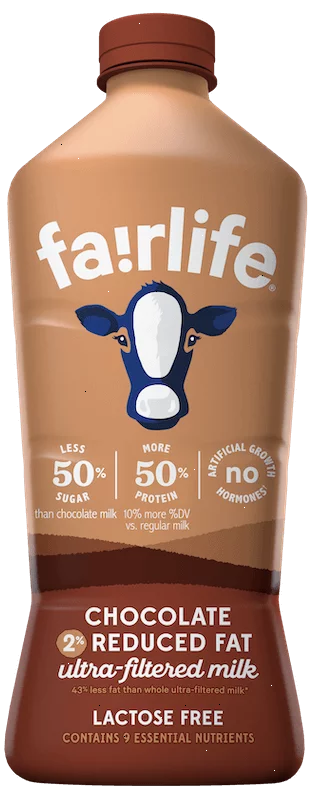
Both options bring unique flavors. Coconut milk imparts a sweet, tropical taste that pairs beautifully with mango, pineapple, and banana. Ultra-filtered milk, on the other hand, has a clean, creamy dairy flavor that complements chocolate, berries, and greens. If you’re making a green protein smoothie, CHOCOLATE 14oz ultra-filtered milk can add a delicious chocolatey twist while boosting protein content. If you prefer a lighter, dairy-free option, coconut milk works well for fruit-forward smoothies, but you’ll likely need to add a protein powder to hit your macros.
Which One Is Better for Your Goals?
Choose Ultra-Filtered Milk If You Want:
- High protein without added protein powders
- Better muscle recovery and satiety
- A creamy, dairy-based smoothie with less sugar
- A lactose-free option that still tastes like milk
Choose Coconut Milk If You Want:
- A dairy-free, vegan base
- Low-calorie smoothies for weight loss (note: you’ll need extra protein from other sources)
- A tropical flavor profile
- A lighter texture
Practical Tips for Smoothie Success
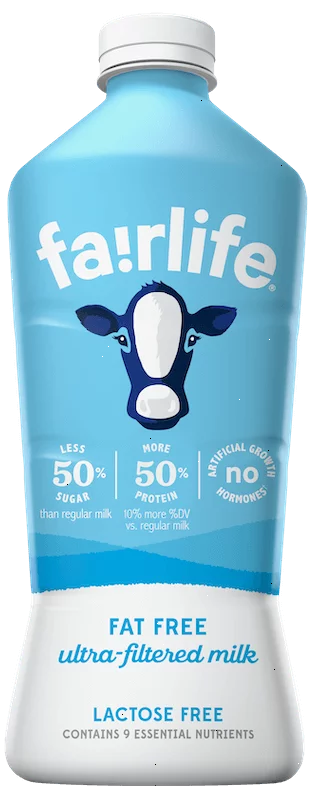
To get the best of both worlds, consider blending ultra-filtered milk with a splash of coconut milk for a creamy, high-protein smoothie with a hint of tropical flavor. For example, combine 1 cup of FAT FREE ULTRA-FILTERED MILK with 1/4 cup of unsweetened coconut milk, a scoop of vanilla protein powder, frozen mango, and spinach. This gives you about 30 grams of protein with just 250 calories—a perfect breakfast or post-workout meal.
Final Verdict: Protein Wins for Most Smoothie Goals
While coconut milk has its place in vegan and low-calorie diets, ultra-filtered milk is the clear winner for anyone prioritizing protein, muscle health, and sustained energy. The numbers don’t lie: 13 grams of protein per cup versus 1 gram is a no-brainer for active individuals. Plus, with ultra-filtered milk varieties like chocolate, strawberry, and vanilla, you can enjoy flavorful smoothies without artificial additives.
Ready to upgrade your next smoothie? Try a carton of 2% Reduced Fat Ultra-Filtered Milk and experience the difference in taste and nutrition for yourself. Your muscles will thank you!