Ultra-Filtered Milk vs. Lactose-Free Milk: Which Is Better for Lactose Intolerance?
By Fairlifesale | Published: 2026-05-31
Category: Product Reviews
Compare ultra-filtered milk vs. lactose-free milk for lactose intolerance. Discover how Fairlife's ultra-filtered milk offers high protein, low sugar, and gentle digestion.
If you experience bloating, gas, or discomfort after drinking regular milk, you may be among the millions of adults with lactose intolerance. Choosing the right dairy alternative can feel overwhelming, especially when shelves are stocked with lactose-free milk, ultra-filtered milk, plant-based options, and more. Two popular choices—ultra-filtered milk and traditional lactose-free milk—both promise easier digestion, but they differ significantly in nutrition, taste, and processing. In this article, we break down the key differences between ultra-filtered milk and lactose-free milk, focusing on how they affect those with lactose intolerance. We'll also explore why Fairlife's ultra-filtered milk products, like FAT FREE ULTRA-FILTERED MILK, are becoming a go-to for sensitive stomachs.
What Is Ultra-Filtered Milk?
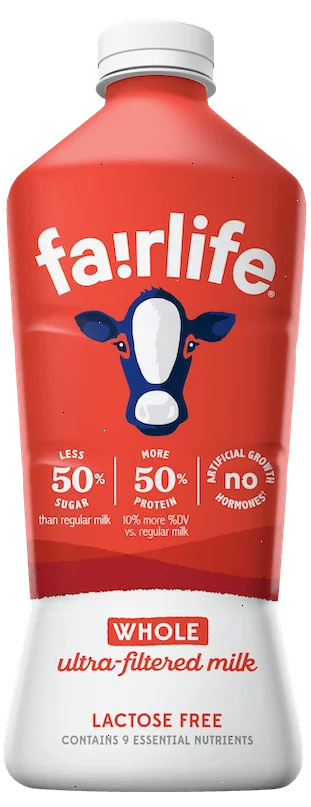
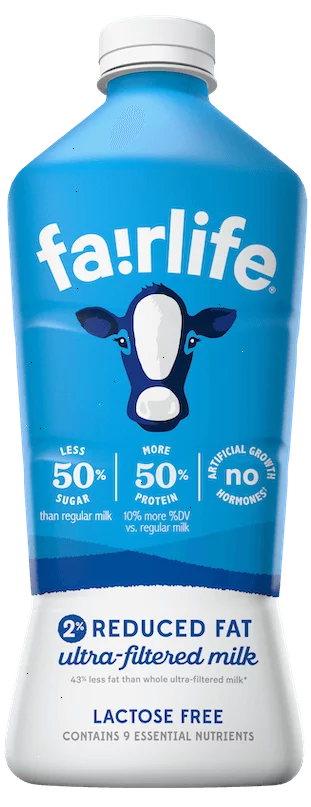
Ultra-filtered milk is produced using a filtration process that passes milk through fine membranes to separate and concentrate the proteins and nutrients while removing much of the lactose, water, and some minerals. The result is a milk with roughly 50% more protein, 50% less sugar, and less lactose than conventional milk. Brands like Fairlife have popularized this method, creating products that are naturally lower in lactose without adding enzymes. For example, 2% REDUCED FAT 14oz ultra-filtered milk delivers 13 grams of protein per serving, compared to 8 grams in regular 2% milk, making it a favorite among fitness enthusiasts and those managing blood sugar.
What Is Lactose-Free Milk?
Lactose-free milk is regular cow's milk that has been treated with the enzyme lactase, which breaks down lactose into simpler sugars—glucose and galactose. This process makes the milk digestible for people with lactose intolerance. Nutritionally, lactose-free milk retains the same protein, fat, and calcium levels as regular milk, but the sugar content remains similar because the lactose is simply split, not removed. Many brands also offer lactose-free versions of whole, 2%, and skim milk.
Key Differences: Ultra-Filtered vs. Lactose-Free Milk
While both options are suitable for lactose-intolerant individuals, their nutritional profiles and processing methods set them apart. Below is a comparison table to highlight the differences:
| Feature | Ultra-Filtered Milk (e.g., Fairlife) | Lactose-Free Milk |
|---|---|---|
| Lactose Content | Naturally lower (about 50–70% less than regular milk) | Essentially zero (lactose broken down into sugars) |
| Protein | Higher (13–15g per cup) | Same as regular milk (8g per cup) |
| Sugar | Lower (6–7g per cup, natural milk sugar) | Same as regular milk (12g per cup, broken-down lactose) |
| Calcium | Similar or slightly higher | Same as regular milk |
| Taste | Creamy, slightly sweeter due to filtration | Very similar to regular milk, slightly sweeter |
| Processing | Filtration (no added enzymes) | Enzyme addition (lactase) |
| Best For | High-protein diets, blood sugar management, moderate lactose sensitivity | Severe lactose intolerance, those wanting familiar taste |
Which Is Better for Lactose Intolerance?
The answer depends on the severity of your lactose intolerance and your nutritional goals. If you have severe lactose intolerance—meaning even trace amounts cause symptoms—lactose-free milk is the safer choice because it contains virtually no intact lactose. However, for most people with moderate lactose sensitivity, ultra-filtered milk is well-tolerated because the filtration process removes a significant portion of lactose. Many users report that Fairlife's ultra-filtered milk causes minimal discomfort, thanks to its reduced lactose content.
Why Ultra-Filtered Milk Wins for Nutrition
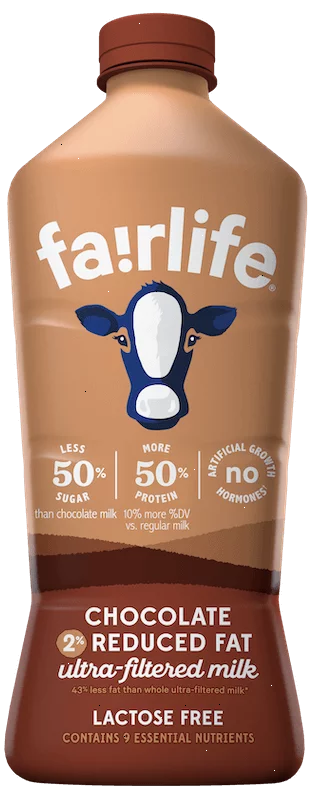
From a nutritional standpoint, ultra-filtered milk outperforms lactose-free milk in several ways. With double the protein and half the sugar, it supports muscle repair, satiety, and stable energy levels—benefits that are especially important for athletes, older adults, or anyone managing weight. For example, a single serving of CHOCOLATE 14oz ultra-filtered milk provides 30 grams of protein with only 7 grams of sugar, making it an excellent post-workout recovery drink without the sugar spike. In contrast, lactose-free chocolate milk typically contains around 25 grams of sugar per cup.
Sugar Content and Blood Sugar Impact
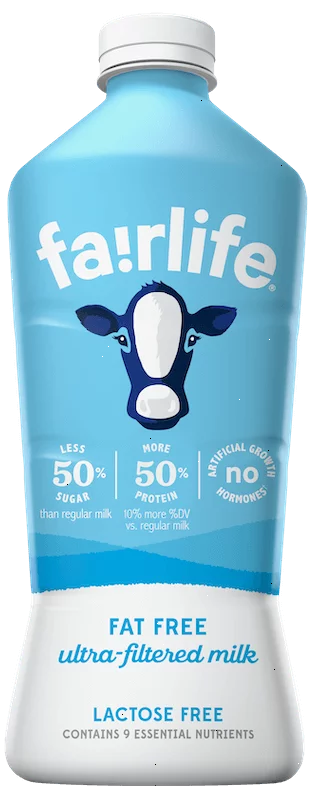
Lactose-free milk has the same sugar content as regular milk because the lactose is simply split into glucose and galactose. This can affect blood sugar levels more than ultra-filtered milk, where lactose is physically removed. For individuals with diabetes or insulin resistance, ultra-filtered milk is a better option due to its lower glycemic impact. The FAT FREE ULTRA-FILTERED MILK contains only 6 grams of sugar per cup, compared to 12 grams in lactose-free skim milk.
Taste and Texture Comparison
Both milks taste similar to regular milk, but with subtle differences. Ultra-filtered milk has a creamier, richer texture due to the higher protein concentration, even in fat-free versions. Some people find it slightly sweeter because the filtration concentrates natural sugars. Lactose-free milk tastes almost identical to regular milk—just a hint sweeter because the broken-down lactose is perceived as sweeter on the tongue. If you're used to traditional milk, lactose-free may feel more familiar; if you want a thicker, more satisfying drink, ultra-filtered is the way to go.
Cost and Availability
Lactose-free milk is widely available in most grocery stores at a price similar to organic milk, often $4–$6 per half-gallon. Ultra-filtered milk, especially brands like Fairlife, is slightly more expensive ($5–$7 per half-gallon) due to the specialized filtration process. However, the higher protein content may justify the cost for those who would otherwise buy protein supplements. Fairlife also offers single-serve 14oz bottles, which are convenient for on-the-go nutrition.
Environmental and Ethical Considerations
Fairlife's ultra-filtered milk is produced by cows that are raised according to specific welfare standards, and the filtration process uses less water and generates less waste than traditional milk processing. Lactose-free milk, on the other hand, requires the addition of lactase, an enzyme typically derived from microbial fermentation, which adds a small environmental footprint. Both options are more sustainable than many plant-based milks (like almond or oat), but ultra-filtered milk has a slight edge in resource efficiency.
Who Should Choose Ultra-Filtered Milk?
- Fitness enthusiasts looking for a high-protein, low-sugar dairy option.
- People with moderate lactose sensitivity who want to avoid added enzymes.
- Those managing blood sugar or following a low-carb diet.
- Anyone who enjoys a creamier milk for coffee, cereal, or shakes.
Who Should Choose Lactose-Free Milk?
- Individuals with severe lactose intolerance who cannot tolerate any lactose.
- Those who prefer the exact taste and texture of regular milk.
- People on a tight budget who need a reliable, affordable option.
Final Verdict: Which One Is Better?
For the majority of people with lactose intolerance, ultra-filtered milk is the superior choice due to its higher protein content, lower sugar, and natural lactose reduction. It supports muscle health, weight management, and stable energy levels while being gentle on the digestive system. Fairlife's ultra-filtered milk line, including options like the CORE POWER ELITE CHOCOLATE shake, offers a convenient way to enjoy dairy without discomfort. If you have extreme sensitivity, lactose-free milk remains a safe backup, but for everyday nutrition, ultra-filtered milk wins hands down.
Try Ultra-Filtered Milk for Yourself
Ready to experience the difference? Explore the full range of Fairlife ultra-filtered milk products at Fairlifesale, from fat-free to chocolate, and find the perfect fit for your lifestyle. Start with the FAT FREE ULTRA-FILTERED MILK for a clean, high-protein option that's easy on your stomach.