Ultra-Filtered Milk vs. Plant-Based Protein Shakes: Which Is More Cost-Effective for Daily Use?
By Fairlifesale | Published: 2026-05-30
Category: Product Reviews
Compare the cost per gram of protein, nutrition, and convenience of ultra-filtered milk vs. plant-based protein shakes to find the best value for daily use. Includes Fairlife product recommendations.
When you’re trying to hit a high-protein goal every day—whether for muscle gain, weight management, or overall health—the cost of your protein source can add up fast. Plant-based protein shakes have surged in popularity, but they often come with a premium price tag. Meanwhile, ultra-filtered milk offers a dairy-based alternative that’s naturally high in protein and lower in sugar. But which option is truly more cost-effective for daily use? In this article, we break down the price, protein content, taste, and convenience of ultra-filtered milk versus plant-based protein shakes, with a special focus on Fairlife products available at Fairlifesale.
Understanding the Basics: What Sets These Options Apart?
Before diving into cost comparisons, it helps to understand what each product is and how it fits into a daily routine.
What Is Ultra-Filtered Milk?
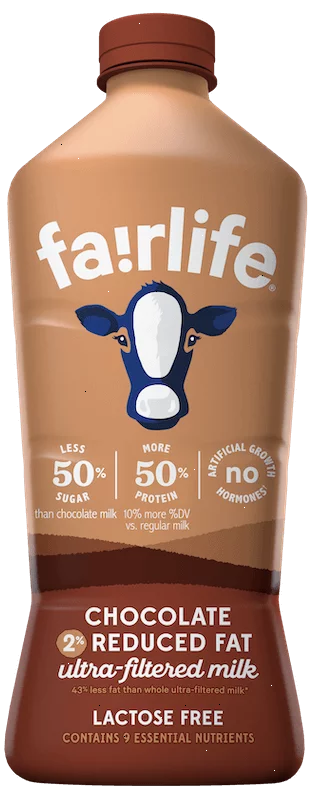
Ultra-filtered milk, such as CHOCOLATE 14oz ultra-filtered milk from Fairlife, is real dairy milk that undergoes an extra filtration process. This removes much of the water and lactose while concentrating protein and calcium. The result is a creamy, lactose-free milk with about 13 grams of protein per cup—roughly twice the protein of regular milk. It’s sold in ready-to-drink bottles and can be used as a standalone beverage, poured over cereal, or blended into smoothies.
What Are Plant-Based Protein Shakes?
Plant-based protein shakes are typically made from sources like pea, brown rice, soy, or hemp protein. They come in powder form (which you mix with water or milk) or as pre-made, ready-to-drink bottles. Popular brands include Orgain, Vega, Ripple, and OWYN. While these shakes are often vegan-friendly and free of dairy and lactose, they can be more expensive per serving than dairy-based alternatives.
Cost Comparison: Breaking Down the Numbers
To determine which option is more cost-effective, we need to compare the cost per gram of protein—the most objective metric for value. We’ll use typical retail prices from Fairlifesale and common plant-based protein shake brands.
| Product | Protein per Serving | Price per Serving (approx.) | Cost per Gram of Protein |
|---|---|---|---|
| Fairlife CHOCOLATE 14oz ultra-filtered milk | 13g | $1.50 | ~$0.115/g |
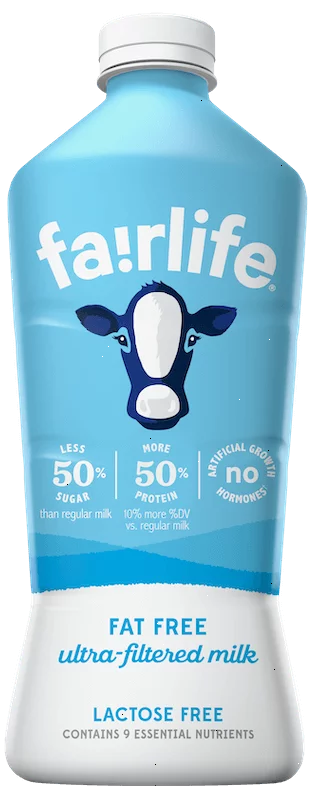
| Fairlife FAT FREE ULTRA-FILTERED MILK | 13g | $1.50 | ~$0.115/g |
| Average Plant-Based Ready-to-Drink Shake (e.g., Orgain, Vega) | 20g | $3.00–$4.50 | ~$0.15–$0.225/g |
| Average Plant-Based Protein Powder (per serving, 30g scoop) | 20–25g | $1.50–$2.50 | ~$0.06–$0.10/g |
As the table shows, ultra-filtered milk is generally more affordable per gram of protein than most pre-made plant-based shakes. Even when compared to plant-based protein powders (which require mixing), the convenience factor of ready-to-drink ultra-filtered milk is a major plus. For example, the FAT FREE ULTRA-FILTERED MILK offers a clean, high-protein option without any powders to mix or blenders to clean—perfect for on-the-go use.
Nutritional Profile: More Than Just Protein
Cost isn’t the only factor. The overall nutritional value matters, especially if you’re using these products as a meal replacement or post-workout recovery.
Ultra-Filtered Milk
- Protein: 13g per cup (8oz) – high-quality, complete protein with all essential amino acids.
- Calcium: ~30% DV per cup – excellent for bone health.
- Vitamin D: Often fortified – supports immune function and calcium absorption.
- Fat: Depends on variety (fat-free, 2%, whole). The FAT FREE ULTRA-FILTERED MILK has 0g fat and only 80 calories per cup.
- Carbohydrates: Naturally lower than regular milk due to lactose removal – about 6g per cup (vs. 12g in regular milk).
- Added ingredients: None – just milk, vitamins A and D (fortified).
Plant-Based Protein Shakes
- Protein: Varies (15–30g per serving) – often a blend of pea, brown rice, and other sources. Most are complete proteins but may be lower in leucine (key for muscle synthesis).
- Calcium: Often fortified, but absorption may be lower than dairy calcium.
- Fiber: Some shakes include added fiber from chicory root or other sources (usually 3–5g).
- Fat: Varies – many are low in fat, but some use coconut or sunflower oil.
- Carbohydrates: Usually low (2–10g), but can vary greatly depending on flavor and sweeteners.
- Added ingredients: Often contain thickeners, natural flavors, stevia, or monk fruit. Some may include gums (e.g., xanthan, guar).
Overall, ultra-filtered milk provides a cleaner ingredient list and naturally occurring nutrients, while plant-based shakes may offer higher protein per serving but with more additives.
Convenience and Usage Scenarios
Cost-effectiveness also depends on how and when you use these products. Let’s compare daily scenarios:
Morning Smoothies
If you blend a smoothie every morning, ultra-filtered milk can replace both the liquid base and the protein powder. For example, one cup of CHOCOLATE 14oz ultra-filtered milk adds 13g of protein, plus you can toss in a banana and some spinach for a complete breakfast. Plant-based protein powder would require an additional liquid (water or plant milk), which adds steps and cost.
Post-Workout Recovery
For immediate post-workout nutrition, a ready-to-drink plant-based shake (e.g., 20g protein) is convenient but pricey. Ultra-filtered milk can work well if you’re willing to drink two cups (26g protein) for about $3.00—same price range but with more protein and fewer additives.
Snacks and Meal Replacement
Ultra-filtered milk is versatile: you can drink it straight, pour it over cereal, or use it in coffee. Plant-based shakes are usually consumed only as a shake. This makes ultra-filtered milk more cost-effective for multiple daily uses.
Taste and Texture Preferences
Taste is subjective, but there are clear differences:
- Ultra-filtered milk has a rich, creamy texture similar to regular milk but with a slightly sweeter, cleaner taste (due to lower lactose). It works well in coffee, cereal, and baking.
- Plant-based protein shakes can have a gritty or chalky texture, depending on the brand and flavor. Many are sweetened with stevia or monk fruit, which some people find bitter. They also tend to have a thicker consistency that may not mix well with hot beverages.
For daily use, many people find ultra-filtered milk more palatable and easier to incorporate into a variety of foods and drinks.
Environmental and Dietary Considerations
Some consumers choose plant-based shakes for environmental or ethical reasons. However, ultra-filtered milk from Fairlife has a lower carbon footprint than traditional dairy due to its concentrated production process, and the company has made strides in sustainable farming. If you are lactose intolerant, ultra-filtered milk is naturally lactose-free, making it a viable dairy option. For vegans, plant-based shakes remain the only choice.
Which Option Should You Choose?
Based on cost, nutrition, and convenience, ultra-filtered milk is generally more cost-effective for daily use for most people. It provides high-quality protein at a lower cost per gram than pre-made plant-based shakes, with a cleaner ingredient list and more versatility. The only exception is if you prefer plant-based protein powders (which can be cheaper per gram when purchased in bulk), but those require mixing and cleanup.
If you’re looking for a simple, budget-friendly way to boost your daily protein intake, start replacing your morning coffee creamer or post-workout shake with ultra-filtered milk. The CHOCOLATE 14oz ultra-filtered milk is an excellent choice for a satisfying, chocolatey treat that won’t break the bank.
Conclusion
When it comes to cost-effective daily protein, ultra-filtered milk from Fairlife is hard to beat. It delivers twice the protein of regular milk, is free of artificial additives, and costs less per gram than most ready-to-drink plant-based shakes. While plant-based options have their place—especially for vegans or those with dairy allergies—ultra-filtered milk offers superior value for the majority of consumers. Check out the selection at Fairlifesale to find the perfect fit for your daily nutrition needs.
Ready to make the switch? Explore the FAT FREE ULTRA-FILTERED MILK for a zero-fat, high-protein option that’s perfect for sipping or cooking. Visit Fairlifesale today and start saving on your daily protein!