Ultra-Filtered Milk vs. Regular Milk for Toddlers: A Nutritional Comparison for Parents
By Fairlifesale | Published: 2026-06-02
Category: Product Reviews
Discover the key differences between ultra-filtered milk and regular milk for toddlers. Learn about protein, calcium, sugar, and taste to make the best choice for your child's nutrition.
As a parent, choosing the right milk for your toddler can feel overwhelming. With so many options on the shelf—whole milk, 2%, organic, and now ultra-filtered milk—it’s natural to wonder which one best supports your child’s growth and development. Ultra-filtered milk, like the offerings from Fairlifesale, has gained popularity for its higher protein content and lower sugar profile. But is it a suitable swap for regular cow’s milk in a toddler’s diet? In this guide, we’ll break down the nutritional differences, taste, and practical considerations to help you decide.
What Is Ultra-Filtered Milk?
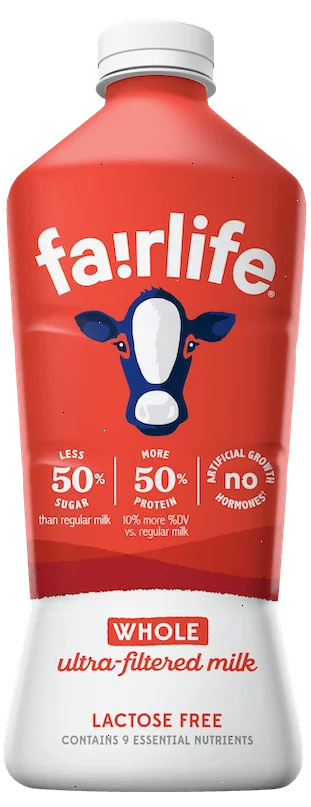
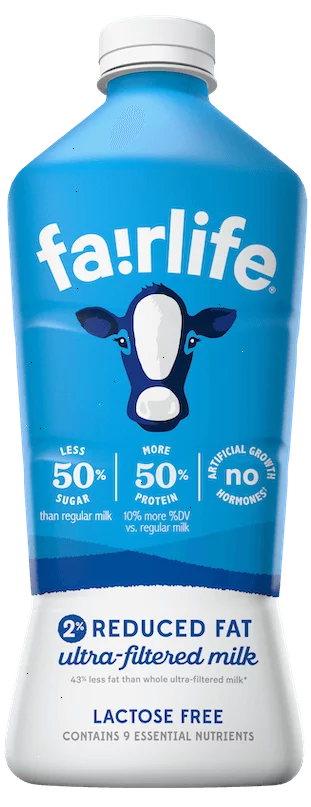
Ultra-filtered milk is a type of cow’s milk that undergoes a special filtration process. This process removes some of the water and lactose, while concentrating the protein and calcium. The result is a milk that typically has about 50% more protein, 50% less sugar, and the same essential nutrients as regular milk. Brands like Fairlifesale offer a range of ultra-filtered options, including 2% Reduced Fat Ultra-Filtered Milk and WHOLE ULTRA-FILTERED MILK, which are popular among health-conscious parents.
Nutritional Comparison: Ultra-Filtered vs. Regular Milk for Toddlers
When comparing milks for toddlers, the key nutrients to consider are protein, calcium, fat, and sugar. Here’s a side-by-side breakdown of an 8-ounce serving of regular whole milk versus Fairlifesale’s whole ultra-filtered milk:
| Nutrient | Regular Whole Milk | Ultra-Filtered Whole Milk (Fairlife) |
|---|---|---|
| Calories | 150 | 150 |
| Protein | 8g | 13g |
| Total Fat | 8g | 8g |
| Carbohydrates | 12g | 6g |
| Sugar (naturally occurring) | 12g | 6g |
| Calcium | 30% DV | 30% DV |
| Vitamin D | 25% DV | 25% DV |
Protein Content: A Key Advantage for Growing Toddlers
Protein is essential for building muscles, bones, and tissues in early childhood. Ultra-filtered milk offers roughly 5 extra grams of protein per cup compared to regular milk. For picky eaters who may not get enough protein from solid foods, this can be a significant benefit. However, it’s important to note that the American Academy of Pediatrics (AAP) recommends that toddlers aged 1–2 years consume about 13–16 grams of protein per day. A single cup of ultra-filtered milk provides nearly the entire daily requirement. While that’s not a problem for most children, some experts caution against exceeding protein needs in very young children, as it may put stress on developing kidneys. Always consult your pediatrician before making a major dietary change.
Lower Sugar: A Helpful Feature for Managing Sweet Cravings
Regular milk contains about 12 grams of naturally occurring lactose sugar per cup. Ultra-filtered milk has about half that—around 6 grams. For toddlers who are prone to preferring sweeter drinks, this lower sugar profile can help reduce the risk of developing a sweet tooth. It also makes ultra-filtered milk a good option for parents who are mindful of total sugar intake, especially if their child drinks several cups of milk a day.
Fat Content: Whole Milk Is Still Recommended for Most Toddlers
The AAP recommends whole milk (with 3.25% fat) for children aged 12–24 months, as the fat is crucial for brain development. Both regular whole milk and Fairlifesale’s WHOLE ULTRA-FILTERED MILK contain the same amount of fat (8g per cup), so they are equally suitable in this regard. For older toddlers (age 2+), reduced-fat or low-fat versions can be introduced. Fairlifesale also offers 2% Reduced Fat Ultra-Filtered Milk as a transition option.
Taste and Texture: Will Your Toddler Accept It?
Parents often worry that ultra-filtered milk tastes different because of its altered composition. In reality, many children (and adults) find it creamier and slightly sweeter than regular milk despite having less sugar. The ultrafiltration process removes bitter compounds, resulting in a cleaner, more neutral taste. If your toddler is used to regular milk, you can gradually mix the two to help them adjust. Most children accept the switch without complaint.
Lactose Intolerance in Toddlers: A Potential Benefit
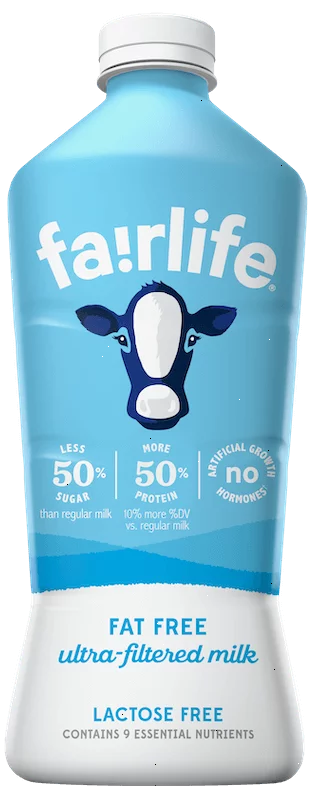
Ultra-filtered milk naturally contains about 50% less lactose than regular milk. While it’s not lactose-free (unless specifically labeled), many toddlers with mild lactose sensitivity can tolerate it better than regular milk. If your child experiences bloating, gas, or diarrhea after drinking regular milk, ultra-filtered milk may be a gentler alternative. For those with severe lactose intolerance, Fairlifesale also offers lactose-free options like FAT FREE ULTRA-FILTERED MILK, which has 0g of lactose.
Cost and Availability
One downside to ultra-filtered milk is the price. It typically costs 1.5 to 2 times more than regular milk because of the additional processing. For families on a tight budget, regular milk remains a perfectly nutritious and affordable choice. However, if you’re looking to maximize protein intake per glass without increasing volume, ultra-filtered milk offers a convenient solution.
Practical Tips for Introducing Ultra-Filtered Milk to Your Toddler
- Start slowly: Mix 25% ultra-filtered milk with 75% regular milk, then gradually increase the ratio over a week.
- Use it in recipes: Blend it into smoothies, oatmeal, or scrambled eggs to boost protein without changing the flavor much.
- Watch for signs of fullness: Because it’s more protein-dense, your toddler may feel full after a smaller amount. Adjust serving sizes accordingly.
- Check with your pediatrician: Especially if your child has any kidney issues or is underweight/overweight.
Final Verdict: Which Milk Is Best for Your Toddler?
Both regular milk and ultra-filtered milk can be healthy options for toddlers. Regular whole milk is a time-tested, affordable, and nutritionally complete choice. Ultra-filtered milk offers higher protein and lower sugar, which can be advantageous for active toddlers or those with specific dietary needs. For most families, the choice comes down to budget, taste preference, and whether the extra protein is needed.
If you decide to try ultra-filtered milk, Fairlifesale’s WHOLE ULTRA-FILTERED MILK is a great place to start—it provides the same fat content as whole milk with added protein and less sugar. And if your toddler prefers a bit of flavor, consider the STRAWBERRY FAT 14oz ultra-filtered milk for a fun, naturally sweetened treat.
Call to Action
Ready to give ultra-filtered milk a try for your toddler? Explore the full range of high-protein, low-sugar options at Fairlifesale. Start with the WHOLE ULTRA-FILTERED MILK and see how your little one enjoys the creamy taste and nutritional boost. Your child’s growth deserves the best—make the switch today!