Ultra-Filtered Milk vs. Skim Milk: Which Is Better for Your Diet and Protein Goals?
By Fairlifesale | Published: 2026-06-04
Category: Product Reviews
Compare ultra-filtered milk and skim milk in this in-depth nutritional breakdown. Discover protein content, calories, taste, and which option best supports weight loss and muscle recovery.
When you're standing in the dairy aisle, the choice between skim milk and ultra-filtered milk can feel overwhelming. Both are low in fat, but their nutritional profiles diverge dramatically. Skim milk has been a diet staple for decades, praised for its low calorie count. Ultra-filtered milk, on the other hand, is a newer innovation that concentrates protein and calcium while removing most of the lactose. This head-to-head comparison will help you decide which milk deserves a spot in your fridge, especially if you're focused on fitness, weight management, or simply getting more protein without extra calories.
What Is Skim Milk?
Skim milk, also called nonfat milk, is simply whole milk with nearly all the fat removed. A standard cup (8 oz) of skim milk contains about 83 calories, 8 grams of protein, 12 grams of carbohydrates (all from lactose), and less than 1 gram of fat. It's a good source of calcium and vitamin D (often added), but its protein content is modest compared to what many active individuals need. Skim milk is also relatively high in natural sugars—about 12 grams per cup—which can be a drawback for those watching their carbohydrate intake.
What Is Ultra-Filtered Milk?
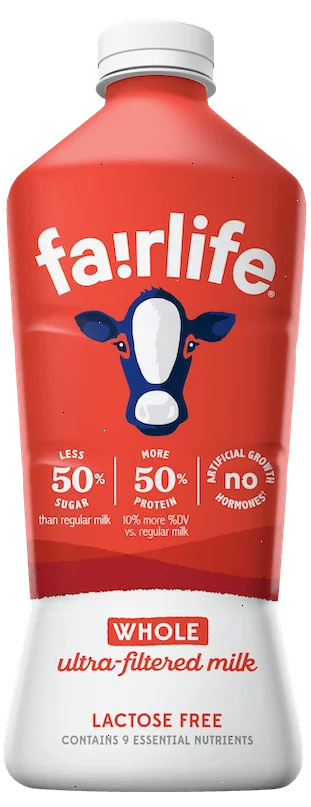
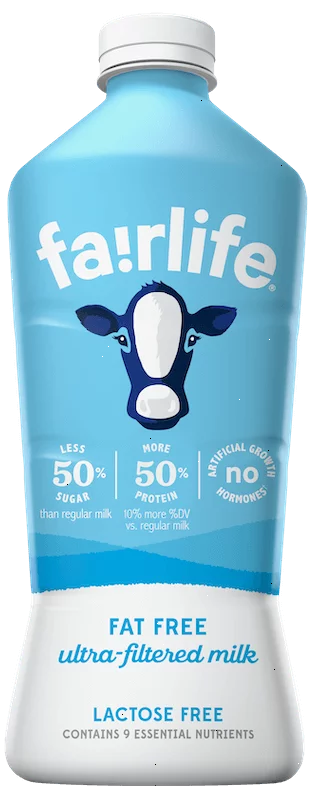
Ultra-filtered milk, such as the products from Fairlife, undergoes a cold filtration process that separates milk into its components—water, protein, fat, minerals, and lactose. The result is a milk that retains more protein and calcium while reducing sugar (lactose) by about 50% compared to regular milk. For example, an 8 oz serving of FAT FREE ULTRA-FILTERED MILK delivers 13 grams of protein, 6 grams of sugar, and only 80 calories—that's 63% more protein than skim milk with 30% less sugar. It also contains half the carbs, making it an excellent choice for low-carb or keto-friendly diets.
Head-to-Head Nutritional Comparison
To make the differences crystal clear, here's a side-by-side table of one cup (8 oz) of skim milk versus Fairlife's fat-free ultra-filtered milk:
| Nutrient | Skim Milk (regular) | Fat-Free Ultra-Filtered Milk |
|---|---|---|
| Calories | 83 | 80 |
| Protein | 8 g | 13 g |
| Total Carbohydrates | 12 g | 6 g |
| Sugar (lactose) | 12 g | 6 g |
| Fat | < 0.5 g | 0 g |
| Calcium | ~300 mg | ~380 mg |
As the table shows, ultra-filtered milk offers significantly more protein and calcium with fewer carbohydrates and sugar—all for roughly the same calorie count. For anyone prioritizing protein intake without added calories, the choice becomes clear.
Protein Content: The Key Differentiator
Protein is essential for muscle repair, satiety, and metabolic health. Skim milk provides 8 grams per cup—decent, but not remarkable. Ultra-filtered milk, on the other hand, delivers 13 grams per cup, which is equivalent to about two large eggs. This makes it an excellent post-workout recovery drink or a convenient way to boost your daily protein intake without needing a shake. If you're looking for an even more concentrated protein boost, consider CORE POWER ELITE CHOCOLATE, which packs 42 grams of protein per 14-ounce bottle—ideal for serious athletes.
Lactose and Digestibility
One of the biggest advantages of ultra-filtered milk is its reduced lactose content. Regular skim milk contains about 12 grams of lactose per cup, which can cause bloating, gas, and discomfort for those with lactose sensitivity. Ultra-filtered milk removes roughly half the lactose, making it much easier to digest. Many people who cannot tolerate regular milk find that they can enjoy ultra-filtered milk without issues. This makes it a versatile option for smoothies, cereal, or drinking straight.
Taste and Texture
Taste is subjective, but many consumers report that ultra-filtered milk tastes creamier and richer than skim milk, despite having zero fat. This is because the filtration process concentrates the milk solids, giving it a fuller mouthfeel. Skim milk can sometimes taste watery or thin by comparison. In cooking, ultra-filtered milk behaves similarly to regular milk but adds a subtle creaminess without extra fat. For example, using ultra-filtered milk in a high-protein alfredo sauce yields a velvety texture without the need for heavy cream.
Best Uses for Each Milk
When to Choose Skim Milk
- If you're on a strict budget—skim milk is generally cheaper.
- If you consume large quantities and don't need extra protein.
- If you prefer the classic taste of traditional milk.
When to Choose Ultra-Filtered Milk
- If you want to increase protein intake without adding calories.
- If you follow a low-carb or keto diet.
- If you have mild lactose sensitivity.
- If you're looking for a better post-workout recovery option.
- If you want a milk that doubles as a protein drink.
Which Is Better for Weight Loss?
Both milks are low in calories, but ultra-filtered milk has a clear edge for weight loss due to its higher protein content. Protein increases satiety, meaning you feel fuller longer after drinking it. A study published in the American Journal of Clinical Nutrition found that increasing protein intake to 25-30% of total calories can reduce overall calorie consumption. With 13 grams of protein per cup, ultra-filtered milk can help you stay satisfied between meals, potentially reducing snacking. Skim milk, with only 8 grams, doesn't offer the same appetite-suppressing benefit.
Cost Comparison
Ultra-filtered milk typically costs about 50-100% more than regular skim milk. However, when you consider the protein content per dollar, the value proposition shifts. A gallon of skim milk might cost $3.50 and provide about 128 grams of protein. A gallon of ultra-filtered milk might cost $6.50 but delivers 208 grams of protein—that's actually cheaper per gram of protein. For those who prioritize protein, the premium is justified.
Environmental and Ethical Considerations
Fairlife's ultra-filtered milk is sourced from cows that are treated with a commitment to animal welfare, and the filtration process uses less water than traditional milk production. While skim milk from conventional dairies may have a lower price tag, it doesn't offer the same sustainability story. If those factors matter to you, ultra-filtered milk is a thoughtful choice.
Final Verdict
If your goal is to maximize protein while minimizing sugar and calories, ultra-filtered milk is the clear winner. It outperforms skim milk in nearly every nutritional metric—more protein, more calcium, less sugar, and better digestibility. Skim milk remains a fine choice for those on a tight budget or who simply prefer its traditional taste, but for anyone serious about fitness, weight management, or overall nutrition, switching to ultra-filtered milk is a smart upgrade.
Ready to make the switch? Explore the complete range of ultra-filtered milks and protein shakes at Fairlifesale and discover how easy it is to add 13 grams of protein to every cup.