Ultra-Filtered Milk vs Soy Milk: Protein, Taste, and Sustainability Compared
By Fairlifesale | Published: 2026-06-06
Category: Product Reviews
Compare ultra-filtered milk and soy milk across protein content, taste, environmental impact, and nutrition to find the best choice for your diet and lifestyle.
Choosing the right milk alternative can be overwhelming, especially when you’re balancing protein needs, taste preferences, and environmental concerns. Two popular options—ultra-filtered milk and soy milk—offer distinct advantages, but which one is truly superior? In this comprehensive guide, we’ll compare ultra-filtered milk vs soy milk across protein content, flavor profiles, sustainability, and more. By the end, you’ll know exactly which milk aligns with your health goals and ethical values.
What Is Ultra-Filtered Milk?
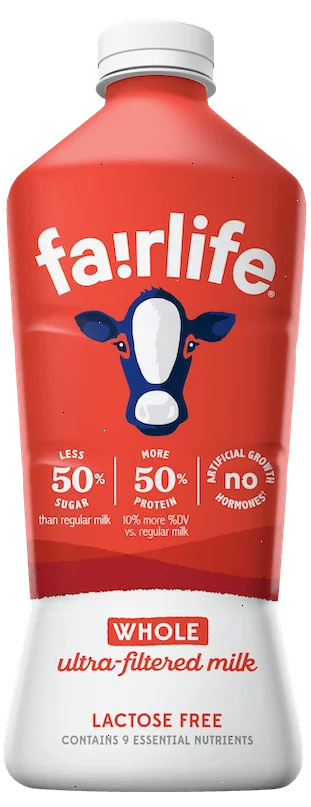
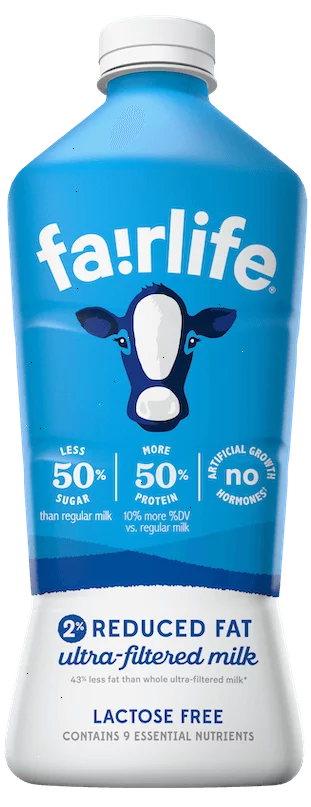
Ultra-filtered milk is real dairy milk that undergoes an advanced filtration process to concentrate protein and remove most of the lactose and sugar. The result is a creamy, nutrient-dense beverage with roughly double the protein of regular milk and significantly fewer carbs. Unlike traditional milk, ultra-filtered varieties like WHOLE ULTRA-FILTERED MILK and 2% Reduced Fat Ultra-Filtered Milk offer a rich texture without the added sugar, making them ideal for low-carb, keto, or high-protein diets.
What Is Soy Milk?
Soy milk is a plant-based beverage made from soaking, grinding, and straining soybeans. It’s naturally lactose-free and contains complete protein, meaning it provides all nine essential amino acids. Soy milk has been a staple in vegan and lactose-intolerant communities for decades, often fortified with calcium, vitamin D, and B12 to mimic dairy’s nutritional profile. However, its protein content (usually 6-8 grams per cup) is lower than ultra-filtered milk, and its taste can vary widely by brand.
Key Nutritional Differences at a Glance
To help you make an informed decision, here’s a side-by-side comparison of one cup (8 oz) of ultra-filtered whole milk versus unsweetened soy milk:
| Nutrient | Ultra-Filtered Whole Milk (1 cup) | Unsweetened Soy Milk (1 cup) |
|---|---|---|
| Calories | 120 | 80-100 |
| Protein | 13 g | 7 g |
| Carbs | 6 g | 4 g |
| Fat | 5 g | 4 g |
| Calcium | 30% DV | 30% DV (fortified) |
| Vitamin D | 25% DV | 25% DV (fortified) |
| Sugar | 6 g (natural) | 1 g |
As the table shows, ultra-filtered milk provides nearly double the protein of soy milk with similar calories, making it a far more efficient choice for muscle repair, satiety, and weight management.
Protein Content: Why Ultra-Filtered Milk Wins for Fitness
Protein is the most critical factor for athletes, bodybuilders, and anyone seeking to maintain lean muscle. Ultra-filtered milk contains 13 grams of protein per cup—more than twice the amount in most soy milks. This high-quality protein is rich in casein and whey, which digest slowly and quickly, offering a steady amino acid release. For post-workout recovery, a glass of CORE POWERC HOCOLATE delivers 26 grams of protein with a delicious chocolate taste, outperforming any soy-based recovery drink.
Soy milk’s protein, while complete, is less bioavailable than dairy protein due to antinutrients like phytates, which can inhibit absorption. Studies show that whey and casein from dairy stimulate muscle protein synthesis more effectively than soy. For those aiming to maximize muscle growth or enhance satiety, ultra-filtered milk is the clear winner.
Taste and Texture: Creamy vs. Beany
Taste is subjective, but most people prefer the creamy, rich mouthfeel of dairy over the thinner, sometimes beany flavor of soy milk. Ultra-filtered milk retains the natural sweetness of milk without added sugar, making it versatile for drinking, cooking, and blending. In contrast, unsweetened soy milk often has a distinct bean-like taste that can clash with coffee, cereal, or recipes. Sweetened soy milks add sugar or artificial sweeteners, which may not suit low-carb or clean-eating lifestyles.
If you enjoy a thick, satisfying beverage, try WHOLE ULTRA-FILTERED MILK in your morning coffee or smoothie—you’ll notice a velvety texture that soy milk can’t match. For a refreshing alternative, STRAWBERRY FAT 14oz ultra-filtered milk offers a fruity twist without artificial flavors.
Sustainability: Dairy vs. Plant-Based
When comparing sustainable milk options, soy milk generally has a lower environmental footprint than conventional dairy, but ultra-filtered milk changes the equation. Because it uses less water and land per liter than regular milk (due to more efficient processing), its carbon footprint is comparable to or even better than many plant milks. Additionally, ultra-filtered milk reduces food waste by extending shelf life and using fewer resources per gram of protein. Meanwhile, soy production is linked to deforestation in some regions, especially if soybeans are not certified organic or non-GMO.
For eco-conscious consumers, the choice isn’t black and white. Ultra-filtered milk from pasture-raised cows can be a sustainable option, especially when compared to almond milk (which is water-intensive) or oat milk (which often has added oils). If you prioritize local, animal-based nutrition with minimal processing, ultra-filtered milk is a strong contender.
Digestibility and Allergens
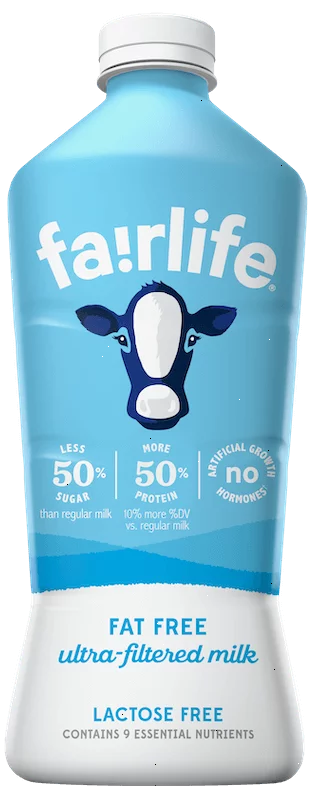
Ultra-filtered milk is naturally low in lactose (about 50% less than regular milk), making it easier to digest for many lactose-sensitive individuals. Soy milk is completely lactose-free, but it’s a common allergen—soy allergies affect roughly 0.4% of the population. Additionally, some people experience bloating from soy due to oligosaccharides. If you have mild lactose intolerance, try FAT FREE ULTRA-FILTERED MILK, which has even fewer carbs and is gentle on the stomach.
Which Is Better for Your Diet?
- Low-carb/Keto: Ultra-filtered milk wins with only 6 g of carbs and high fat options like whole milk.
- Vegan/Lactose-Intolerant: Soy milk is the obvious choice, but ultra-filtered milk is a viable option for those who can tolerate small amounts of lactose.
- Weight Loss: Both can work, but ultra-filtered milk’s higher protein keeps you fuller longer, reducing snacking.
- Muscle Building: Ultra-filtered milk is superior due to higher protein density and amino acid profile.
- Sustainability: Soy milk has a slight edge in carbon footprint, but ultra-filtered milk’s efficiency narrows the gap.
Conclusion: Making the Switch
Whether you’re an athlete, a busy parent, or someone simply looking to upgrade your nutrition, ultra-filtered milk offers a compelling package: more protein, better taste, and a smaller environmental impact than many plant-based options. While soy milk remains a solid plant-based choice, it can’t compete with the creamy richness and nutritional density of ultra-filtered dairy.
Ready to experience the difference? Explore our selection of ultra-filtered milks at Fairlifesale and find your perfect match. Start with WHOLE ULTRA-FILTERED MILK for a versatile, delicious option that works in coffee, cereal, or straight from the glass—your body and taste buds will thank you.