Ultra-Filtered Milk vs. Whey Protein Shakes: Which Is Better for Post-Workout Recovery?
By Fairlifesale | Published: 2026-06-03
Category: Product Reviews
Compare ultra-filtered milk and whey protein shakes for post-workout recovery. Discover which option delivers faster muscle repair, better nutrition timing, and greater convenience.
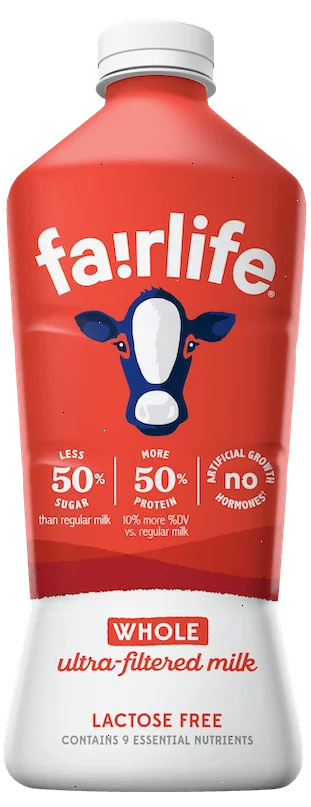
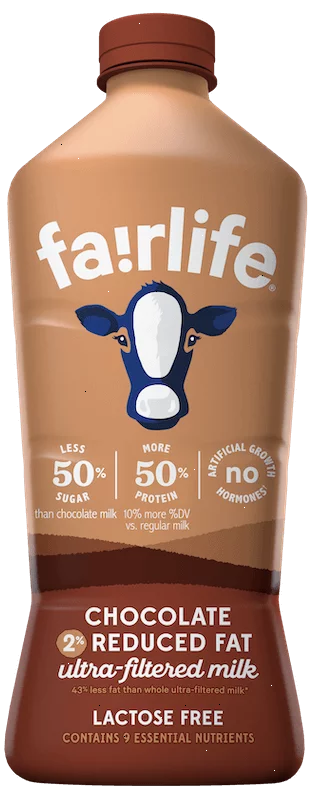
Post-workout recovery is one of the most critical windows in any training regimen. What you consume after exercise directly impacts muscle repair, glycogen replenishment, and overall adaptation. For decades, whey protein shakes have been the gold standard—quick, convenient, and packed with fast-digesting protein. But in recent years, ultra-filtered milk has emerged as a compelling alternative. Products like Chocolate 14oz ultra-filtered milk offer a ready-to-drink option that combines high protein content with natural nutrition. So which is truly better for post-workout recovery? Let’s break down the science, the nutrition, and the practical trade-offs.
What Is Ultra-Filtered Milk?
Ultra-filtered milk undergoes a cold filtration process that removes water, lactose, and some minerals while concentrating protein and calcium. The result is a milk that contains roughly twice the protein of regular milk—often 13–15 grams per cup—with about half the sugar. Because it is real milk, it also provides naturally occurring electrolytes like potassium and magnesium, which are important for rehydration after sweat loss. Brands like Fairlife have popularized this category, offering options such as Strawberry FAT 14oz ultra-filtered milk that deliver a delicious, portable recovery drink without any added powders or mixing.
What Are Whey Protein Shakes?
Whey protein is a byproduct of cheese manufacturing. It is a complete, fast-digesting protein that is rich in leucine, the amino acid most directly responsible for stimulating muscle protein synthesis. Whey shakes are typically sold as powders that you mix with water or milk, or as ready-to-drink bottles. They are designed to be absorbed rapidly, making them ideal for the post-workout window. However, many commercial whey shakes contain added sugars, artificial flavors, and thickeners. They also lack the broader nutritional profile of whole foods like milk.
Nutritional Showdown: Ultra-Filtered Milk vs. Whey Protein Shakes
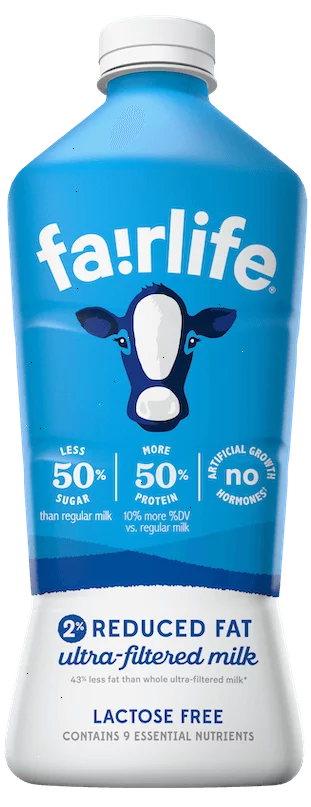
| Nutrient (per 8 oz serving) | Ultra-Filtered Milk (2% Reduced Fat) | Typical Whey Protein Shake (mixed with water) |
|---|---|---|
| Calories | 120–150 | 100–200 |
| Protein | 13–15 g | 20–30 g |
| Carbohydrates | 6–8 g (mostly lactose) | 2–10 g (varies) |
| Fat | 2–5 g (depends on fat level) | 0–5 g |
| Calcium | 380–400 mg (30–40% DV) | 0–20 mg |
| Potassium | 400–500 mg | 0–50 mg |
As the table shows, ultra-filtered milk provides a more balanced nutritional profile—protein plus bone-building calcium and rehydrating electrolytes. Whey shakes offer higher protein per serving, but at the cost of missing those micronutrients unless they are artificially fortified.
Digestion and Absorption Rates
Whey protein is famous for being “fast-acting.” It reaches the bloodstream within 30–45 minutes, which can be beneficial immediately after exercise. Ultra-filtered milk, because it contains casein protein (about 80% of milk protein) along with whey, digests more slowly. This slower release provides a sustained stream of amino acids over several hours. For athletes who train multiple times per day or want to prevent muscle breakdown overnight, the dual-digestion profile of ultra-filtered milk may actually be superior. Many experts now suggest that total daily protein intake matters more than the exact timing, meaning both options can work well if consumed appropriately.
Taste, Convenience, and Palatability
Let’s be honest—no matter how nutritious a shake is, if it tastes bad, you won’t drink it consistently. Ultra-filtered milk has the familiar, creamy taste of milk. It comes in flavors like chocolate, strawberry, and vanilla, and requires no mixing, measuring, or shaker bottles. You can grab a bottle from the fridge and drink it on the go. Whey protein shakes can vary wildly in taste and texture. Some are delicious, but others are chalky, overly sweet, or leave an aftertaste. For many people, the superior mouthfeel and natural flavor of ultra-filtered milk wins the taste test, leading to better long-term adherence to a recovery routine.
Cost Comparison
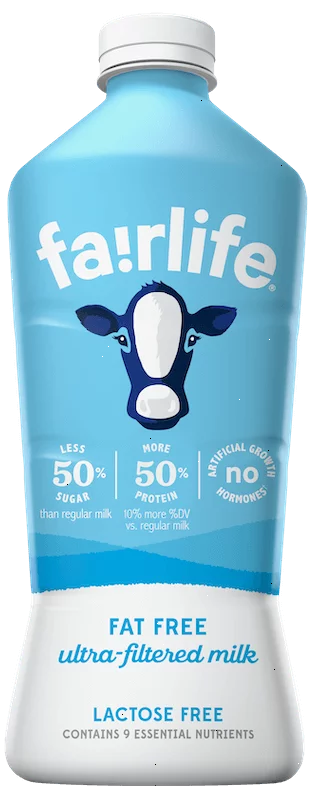
On a per-gram-of-protein basis, whey protein powder is generally cheaper if you buy in bulk. A 2-pound tub of whey powder often provides about 30–35 servings, each costing roughly $1.00–$1.50 per 25 g of protein. Ready-to-drink whey shakes are more expensive, usually $2.00–$3.00 per bottle. Ultra-filtered milk products like FAT FREE ULTRA-FILTERED MILK typically cost around $1.50–$2.00 per 14 oz bottle, providing 13–15 g of protein. That puts them in the same range as ready-to-drink whey shakes but with the added benefit of calcium and electrolytes. For those who value convenience and whole-food nutrition, the small price premium is often worth it.
Who Should Choose Ultra-Filtered Milk?
- People who dislike the taste of protein powders or find them hard to digest.
- Those who want a whole-food source of protein with naturally occurring vitamins and minerals.
- Individuals who need extra calcium for bone health, such as older adults or women at risk of osteoporosis.
- Athletes who train in the morning and want a breakfast-style recovery drink that also provides carbohydrates for energy replenishment.
- Parents looking for a kid-friendly recovery option after youth sports—ultra-filtered milk is often more acceptable than a powder-based shake.
Who Should Choose Whey Protein Shakes?
- Bodybuilders and strength athletes who need very high protein intakes (2 g per kg of body weight or more) and want a concentrated, low-volume source.
- People on strict low-carb or ketogenic diets who want to avoid the natural sugars in milk.
- Those who prefer to customize their shakes by adding fruits, greens, or other supplements.
- Budget-conscious consumers who are willing to mix their own drinks to save money.
- Vegans or those with dairy allergies—though dairy-free whey alternatives exist, traditional whey is milk-derived and not suitable for everyone.
Can You Combine Both?
Absolutely. Some athletes use ultra-filtered milk as the base for their whey protein shake, creating a double-protein powerhouse. For example, mix a scoop of unflavored or vanilla whey protein into a glass of Chocolate 14oz ultra-filtered milk for a shake that delivers 40+ grams of protein, plus the micronutrients from the milk. This strategy gives you the best of both worlds: rapid absorption from the whey and sustained release from the milk casein. It’s an approach favored by many elite endurance and strength athletes.
Practical Post-Workout Recommendations
- If you train fasted or haven’t eaten in 3+ hours: Choose a whey shake for quick amino acid delivery, or combine ultra-filtered milk with whey powder.
- If you eat a full meal within 1–2 hours post-workout: Ultra-filtered milk alone is sufficient, as the meal will cover your total protein needs.
- If you train late at night: Ultra-filtered milk’s slower digestion can support overnight muscle repair and prevent catabolism.
- If you are trying to lose fat: Ultra-filtered milk contains fewer calories than many flavored whey shakes and provides more satiety due to its fat and casein content.
- If you have lactose intolerance: Ultra-filtered milk is low in lactose (most brands remove 50–70% of the lactose), but if you are extremely sensitive, a lactose-free whey isolate may be safer.
Final Verdict
Neither ultra-filtered milk nor whey protein shakes is universally “better.” The right choice depends on your personal goals, taste preferences, budget, and lifestyle. For most people, ultra-filtered milk offers a more natural, nutrient-dense option that is delicious and convenient. It provides protein, calcium, and electrolytes in a single package—something no whey shake can claim. However, for those needing very high protein intakes or strict macronutrient control, whey shakes still have a place. The good news is that you don’t have to pick just one. By including both in your rotation, you can enjoy the benefits of each.
If you're ready to upgrade your post-workout recovery with a clean, great-tasting protein source, explore our selection of ultra-filtered milk products. Start with the crowd-favorite Chocolate 14oz ultra-filtered milk—it’s a simple swap that can make a real difference in how you feel after every workout.