The Environmental Impact of Ultra-Filtered Milk: A Deep Dive into Sustainability and Production
By Fairlifesale | Published: 2026-05-27
Category: Industry News
Explore the eco-friendly side of ultra-filtered milk: lower carbon footprint, reduced water usage, and how brands like Fairlifesale are shaping a greener dairy industry.
As consumers become more environmentally conscious, the dairy industry is under increasing scrutiny. Traditional milk production has long been associated with significant greenhouse gas emissions, water consumption, and land use. However, innovation in dairy processing is offering a more sustainable path forward. Ultra-filtered milk, a protein-rich milk product that removes water and lactose while concentrating nutrients, is gaining attention not just for its nutritional profile but also for its potential environmental benefits. In this article, we explore the environmental impact of ultra-filtered milk, from production to packaging, and how it compares to conventional milk in terms of sustainability.
What Makes Ultra-Filtered Milk Different?
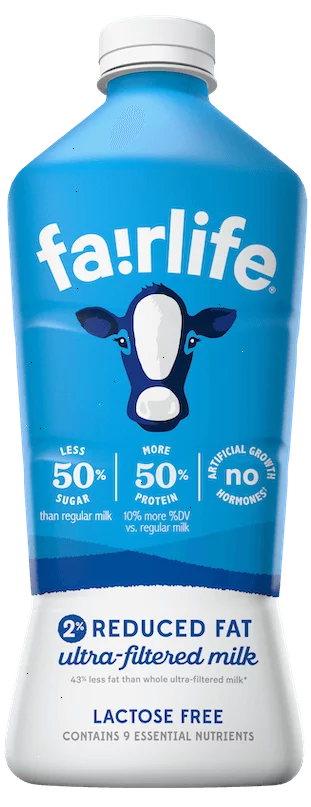
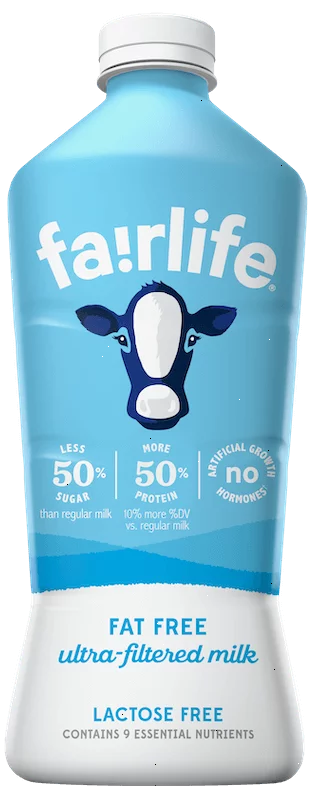
Ultra-filtered milk is produced using a process called ultrafiltration, which passes milk through a semi-permeable membrane. This process separates water, lactose, and some minerals, leaving behind a liquid that is higher in protein and calcium, and lower in sugar. The result is a product like 2% Reduced Fat Ultra-Filtered Milk or FAT FREE ULTRA-FILTERED MILK, which offers a more concentrated nutrient profile per serving. But beyond nutrition, this concentration step has sustainability implications. Because ultra-filtered milk contains less water, it requires less energy for refrigeration and transportation compared to conventional milk, reducing the overall carbon footprint.
Reduced Water Usage in Production
Water is a critical resource in dairy farming. Cows need water for drinking, and crops for feed require irrigation. Traditional milk production can consume up to 1,000 liters of water per liter of milk. Ultra-filtered milk, by concentrating the milk, effectively reduces the volume of liquid that needs to be transported and stored. This means less water is used in the logistics chain—less water for cleaning tanks, less water for cooling, and less water in the final product that ends up as waste. While the farms themselves still require water for the cows, the downstream water savings are notable. For eco-conscious shoppers, choosing concentrated dairy products can be a small but meaningful step toward reducing their water footprint.
Energy Efficiency in Processing
The ultrafiltration process itself is energy-intensive, but it offers efficiency gains compared to other dairy concentration methods, such as evaporation or spray drying. Modern filtration systems use membranes that require less heat, and the overall energy investment is offset by the reduced transportation weight. A truck carrying ultra-filtered milk can deliver more protein per gallon than one carrying conventional milk, meaning fewer trips and lower fuel consumption. This is particularly relevant for brands like Fairlifesale, which distributes products such as CORE POWERC HOCOLATE across regions, minimizing the environmental cost of long-haul delivery.
Packaging and Waste Reduction
Packaging is another area where ultra-filtered milk can contribute to sustainability. Because ultra-filtered milk is often sold in smaller, more concentrated formats (like the 14-ounce bottles), it uses less packaging material per gram of protein than conventional half-gallon or gallon jugs. Additionally, many ultra-filtered milk brands are moving toward recyclable or BPA-free plastic bottles. For example, the STRAWBERRY FAT 14oz ultra-filtered milk comes in a compact container that reduces plastic waste. Consumers can further reduce their environmental impact by recycling the bottles and choosing products with minimal secondary packaging.
Lower Carbon Footprint
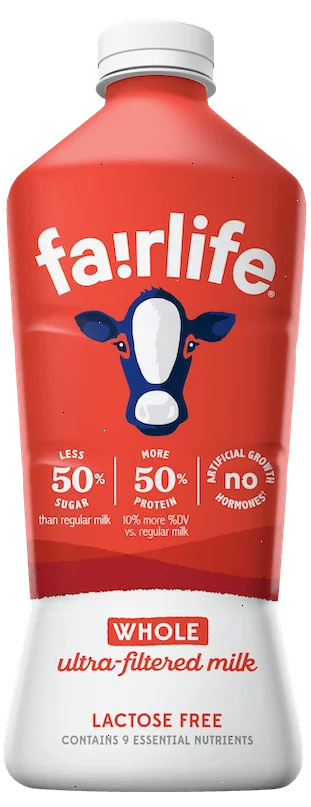
Lifecycle assessments of dairy products consistently show that the majority of greenhouse gas emissions occur at the farm level, from enteric fermentation (cow burps) and manure management. However, ultra-filtered milk can lower the per-liter carbon footprint by extending shelf life. Because ultra-filtered milk is pasteurized and filtered, it often has a longer refrigerated shelf life than conventional milk—up to 45 days versus 14 days. This reduces food waste, which is a major contributor to greenhouse gases. When consumers buy WHOLE ULTRA-FILTERED MILK, they are less likely to throw away spoiled milk, directly reducing the environmental impact of their food choices.
Comparison with Plant-Based Alternatives
Some might argue that plant-based milks are inherently more sustainable than dairy. However, the picture is nuanced. Almond milk, for instance, has high water usage in almond orchards, while oat milk requires significant land use. Ultra-filtered milk, derived from cows that are often raised on pasture, can have a competitive carbon footprint when considering the high protein density. For consumers who prefer dairy, ultra-filtered milk offers a way to get more nutrition with less environmental cost per serving. It is a middle path: supporting traditional dairy farming while demanding more efficient processing.
Industry Trends and Future Outlook
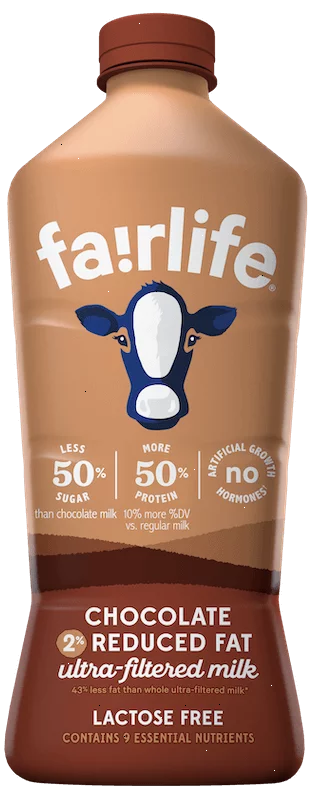
The dairy industry is under pressure to reduce emissions by 30% by 2030. Ultra-filtered milk is part of the solution. Companies are investing in renewable energy for filtration plants, methane capture from manure, and better feed additives to reduce cow emissions. Fairlifesale, with its lineup of ultra-filtered products, is positioned to lead this shift. By choosing products like CHOCOLATE 14oz ultra-filtered milk, consumers can support a supply chain that prioritizes efficiency and lower environmental impact.
How You Can Make a Difference
Individual actions matter. When shopping, look for ultra-filtered milk products that are produced locally or regionally to reduce transport emissions. Check for recyclable packaging and consider buying larger packs to reduce per-unit packaging waste. Also, incorporate ultra-filtered milk into meal prep—using it in smoothies, coffee, and baking can replace multiple less-sustainable ingredients. By choosing ultra-filtered milk, you are voting for a dairy industry that innovates for the planet.
Ready to make a sustainable choice for your kitchen? Explore our selection of ultra-filtered milk products at Fairlifesale. Start with 2% Reduced Fat Ultra-Filtered Milk—a versatile, eco-friendly option for your daily protein needs.