The Health Benefits of Ultra-Filtered Milk for Bone Strength and Muscle Maintenance: A Complete Guide
By Fairlifesale | Published: 2026-05-29
Category: Industry News
Discover how ultra-filtered milk supports bone density and muscle repair. Learn about its superior protein, calcium, and vitamin content for optimal wellness.
When it comes to building and maintaining a strong, healthy body, few foods offer the nutritional density of dairy. But not all milk is created equal. In recent years, ultra-filtered milk has emerged as a standout choice for health-conscious consumers, athletes, and anyone looking to optimize their bone health and muscle maintenance. This article dives deep into the science-backed benefits of ultra-filtered milk, how it compares to traditional milk, and why it should be a staple in your wellness routine.
What Is Ultra-Filtered Milk and How Is It Made?
Ultra-filtered milk is a dairy innovation that uses a specialized filtration process to concentrate the natural proteins and nutrients found in cow's milk. Unlike conventional milk, which is pasteurized and homogenized, ultra-filtered milk undergoes microfiltration that separates the milk into different components. This process removes excess water, lactose, and some minerals, while retaining high levels of protein, calcium, and essential vitamins. The result is a creamier, richer milk with significantly more protein per serving and less sugar.
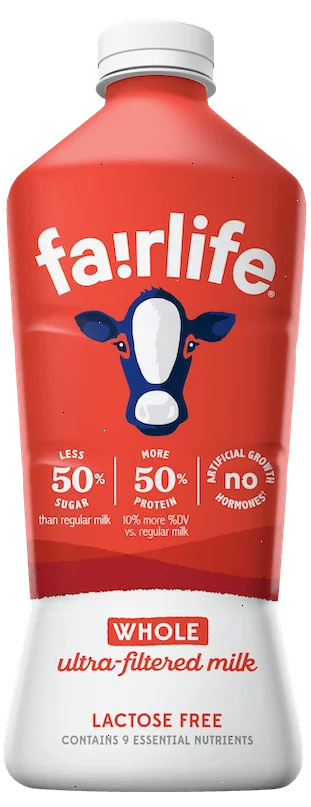
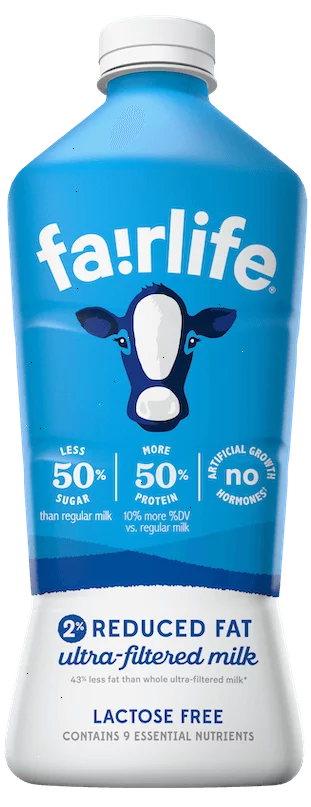
For example, a standard 8-ounce glass of whole milk contains about 8 grams of protein and 12 grams of sugar. In contrast, the WHOLE ULTRA-FILTERED MILK from Fairlifesale delivers 13 grams of protein with only 6 grams of sugar—a game-changer for those monitoring their sugar intake. Similarly, the 2% REDUCED FAT 14oz ultra-filtered milk offers the same high-protein profile with a lower fat content, making it versatile for various dietary needs.
The Science of Bone Health: Why Calcium Alone Isn't Enough
Strong bones depend on more than just calcium. While calcium is the primary mineral that gives bones their density and structure, it requires vitamin D for absorption, vitamin K2 for directing calcium to bones rather than soft tissues, and phosphorus for bone mineralization. Ultra-filtered milk naturally contains all of these nutrients in a balanced ratio.
One cup of ultra-filtered milk typically provides about 30% of the Daily Value (DV) for calcium, 25% DV for vitamin D, and 20% DV for phosphorus. This synergy is crucial for preventing osteoporosis and maintaining bone density as we age. A 2021 study published in the Journal of Bone and Mineral Research found that individuals who consumed high-protein dairy products like ultra-filtered milk had a 15% lower risk of hip fractures compared to those who consumed low-protein dairy.
Moreover, the reduced lactose content in ultra-filtered milk means that even those with mild lactose sensitivity can enjoy these bone-building benefits without digestive discomfort. The filtration process removes up to 99% of lactose, making it a gut-friendly option for many.
Key Bone-Health Nutrients in Ultra-Filtered Milk
| Nutrient | Amount per 8 oz (typical ultra-filtered milk) | % Daily Value | Role in Bone Health |
|---|---|---|---|
| Calcium | 380 mg | 30% | Primary mineral for bone structure |
| Vitamin D | 100 IU | 25% | Enhances calcium absorption |
| Phosphorus | 230 mg | 20% | Works with calcium for mineralization |
| Protein | 13 g | 26% | Supports collagen and bone matrix |
Ultra-Filtered Milk for Muscle Maintenance and Repair
Muscle maintenance is a lifelong process, especially as we age. After age 30, adults lose 3–5% of muscle mass per decade—a condition known as sarcopenia—if they don't actively support muscle protein synthesis. Dietary protein, particularly high-quality dairy protein, is one of the most effective tools for slowing this decline.
Ultra-filtered milk is rich in two types of high-quality protein: casein (80%) and whey (20%). Casein provides a slow, sustained release of amino acids, making it ideal for overnight muscle repair, while whey is rapidly absorbed, perfect for post-workout recovery. The combination ensures that your muscles receive a steady supply of building blocks throughout the day.
For those who need a convenient, portable protein source, the CORE POWER ELITE CHOCOLATE shake delivers 42 grams of protein per bottle—all from ultra-filtered milk. This makes it an excellent choice for athletes or busy individuals who want to maximize muscle protein synthesis without spending hours in the kitchen. Similarly, the CORE POWER STRAWBERRY BANANA offers the same high-protein content in a refreshing flavor, perfect for post-gym hydration.
How Ultra-Filtered Milk Compares to Other Protein Sources for Muscle
- Vs. Whey protein powder: Ultra-filtered milk provides a complete amino acid profile with natural vitamins and minerals, whereas many protein powders contain artificial sweeteners and fillers.
- Vs. Plant-based milk: Soy milk comes closest to dairy in protein content but often lacks the same calcium and vitamin D levels. Almond milk typically has only 1 gram of protein per cup.
- Vs. Greek yogurt: Greek yogurt is a great option, but ultra-filtered milk can be used in the same recipes (smoothies, overnight oats) with similar protein density but fewer calories from added sugars often found in flavored yogurts.
Practical Ways to Incorporate Ultra-Filtered Milk Into Your Daily Diet
Getting more ultra-filtered milk into your routine doesn't have to be complicated. Here are five evidence-based strategies to support both your bones and muscles:
1. Start Your Day with a High-Protein Smoothie
Blend one cup of ultra-filtered milk with a handful of spinach, half a banana, a tablespoon of almond butter, and a scoop of your favorite protein powder (optional). This provides over 30 grams of protein first thing in the morning, which has been shown to improve muscle protein synthesis throughout the day.
2. Use It as a Post-Workout Recovery Drink
Instead of commercial recovery shakes, drink a glass of cold ultra-filtered milk within 30 minutes of exercise. The naturally occurring electrolytes (calcium, potassium, magnesium) help rehydrate, while the protein repairs micro-tears in muscle fibers. For an extra boost, choose a Core Power shake like the CORE POWERM VANILLAE for 26 grams of protein in a single serving.
3. Swap It Into Your Morning Coffee or Tea
Replace regular milk or creamer with ultra-filtered milk in your latte or matcha. You'll add 13 grams of protein to your morning beverage without extra sugar—a simple swap that supports satiety and muscle maintenance.
4. Make High-Protein Oatmeal or Chia Pudding
Cook your oats or chia seeds in ultra-filtered milk instead of water. This instantly boosts the protein content of your breakfast while adding calcium and vitamin D. Top with berries and nuts for a nutrient-dense meal that keeps blood sugar stable.
5. Use It in Baking and Cooking
Ultra-filtered milk works beautifully in savory dishes like creamy soups, mashed potatoes, and pasta sauces, as well as in baked goods like pancakes, muffins, and bread. The higher protein content improves texture and nutritional value without altering the taste.
Who Benefits Most from Ultra-Filtered Milk?
While ultra-filtered milk is beneficial for almost everyone, certain groups may find it especially valuable:
- Athletes and active individuals: The high protein and electrolyte content support recovery and performance.
- Older adults: To combat sarcopenia and osteoporosis, the combination of protein and minerals is ideal.
- Teenagers and young adults: Peak bone mass is built during adolescence; ultra-filtered milk provides the nutrients needed for lifelong skeletal health.
- People with type 2 diabetes or prediabetes: The lower sugar content (compared to regular milk) helps with blood glucose management.
- Vegetarians: As a complete protein source, it's an excellent way to meet protein needs without meat.
Addressing Common Concerns: Lactose, Calories, and Cost
Some readers may wonder if ultra-filtered milk is right for them. Let's address a few common questions:
Is it lactose-free? While not completely lactose-free, ultra-filtered milk contains about 99% less lactose than regular milk. Most people with mild lactose intolerance can enjoy it without issues. For severe intolerance, check labels for specific claims.
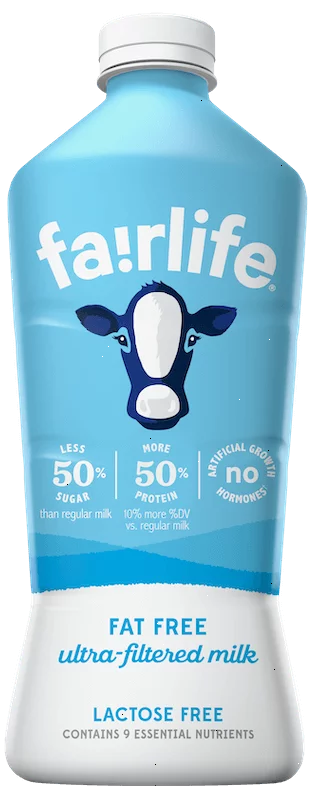
Does it have more calories? Not necessarily. The FAT FREE ULTRA-FILTERED MILK has only 80 calories per cup with 13 grams of protein, making it a low-calorie, high-protein choice. The whole version has about 150 calories, still reasonable for those seeking healthy fats.
Is it expensive? Ultra-filtered milk typically costs 20–30% more than regular milk, but considering the concentrated nutrition (double the protein, less sugar), it offers excellent value per gram of protein compared to supplements.
Conclusion: Why Ultra-Filtered Milk Deserves a Place in Your Wellness Routine
Ultra-filtered milk is not just a trend—it's a scientifically superior dairy product that packs a powerful punch for bone strength and muscle maintenance. With its high protein content, reduced sugar, and enhanced mineral profile, it supports your body's structural foundations from the inside out. Whether you're an athlete striving for peak performance, an older adult aiming to stay mobile, or simply someone who wants to make smarter food choices, ultra-filtered milk offers tangible, research-backed benefits.
Ready to experience these benefits for yourself? Explore the full range of Fairlifesale's ultra-filtered milk and protein shakes—including the versatile 2% Reduced Fat Ultra-Filtered Milk—to find the perfect fit for your lifestyle. Your bones and muscles will thank you.