Is Ultra-Filtered Milk Safe for People with Dairy Allergies? A Guide to A2 Protein and Lactose
By Fairlifesale | Published: 2026-06-03
Category: Industry News
Discover whether ultra-filtered milk is safe for those with dairy allergies, lactose intolerance, or A2 protein concerns. A detailed guide to fairlife safety and nutrition.
Dairy allergies and lactose intolerance affect millions of people worldwide, often forcing them to avoid milk and milk-based products entirely. But in recent years, ultra-filtered milk—like the kind offered by Fairlife—has emerged as a popular alternative that claims to be easier on the digestive system. Is ultra-filtered milk safe for people with dairy allergies? Does it contain A2 protein? And can those with lactose intolerance enjoy it without discomfort? In this comprehensive guide, we’ll explore the science behind ultra-filtered milk, its protein composition, and how it fits into a diet for individuals with dairy sensitivities.
Understanding Dairy Allergies vs. Lactose Intolerance
Before diving into ultra-filtered milk, it’s essential to distinguish between a true dairy allergy and lactose intolerance—two conditions that are often confused.
- Dairy allergy: An immune system reaction to one or more proteins in cow’s milk, most commonly casein or whey. Symptoms can range from mild hives to severe anaphylaxis. Even trace amounts of milk protein can trigger a reaction.
- Lactose intolerance: A digestive issue caused by a deficiency of lactase, the enzyme needed to break down lactose (the natural sugar in milk). Symptoms include bloating, gas, and diarrhea after consuming dairy.
This distinction is crucial because ultra-filtered milk can be safe for people with lactose intolerance but is not safe for those with a true milk protein allergy. Let’s explore why.
What Is Ultra-Filtered Milk?
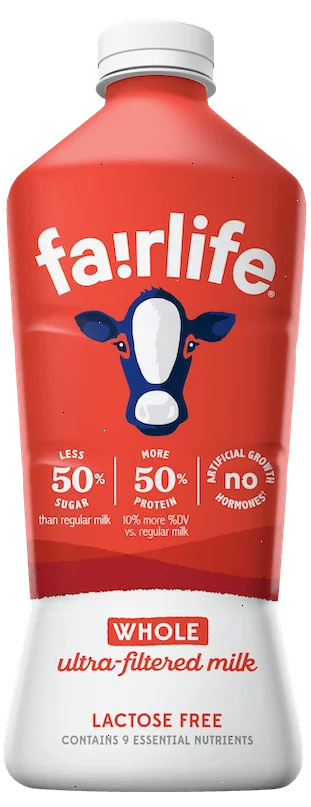
Ultra-filtered milk, such as the popular WHOLE ULTRA-FILTERED MILK from Fairlife, is made by passing milk through a fine filtration process that separates water, lactose, and minerals from the protein and fat. The result is a milk that is higher in protein (often twice as much as regular milk) and lower in sugar. Because much of the lactose is removed during filtration, ultra-filtered milk is naturally lower in lactose—making it easier to digest for many people with lactose intolerance.
How Much Lactose Is Removed?
Standard whole milk contains about 12 grams of lactose per cup. Ultra-filtered milk typically contains less than 1 gram of lactose per cup—a reduction of over 90%. For reference, many lactose-free milks have similar levels. However, ultra-filtered milk is not the same as lactose-free milk, which is treated with lactase enzyme to break down all lactose. If you have severe lactose intolerance, you may still experience symptoms with ultra-filtered milk, though many people tolerate it well.
| Milk Type | Lactose Content (per cup) | Protein Content (per cup) |
|---|---|---|
| Regular whole milk | 12 g | 8 g |
| Fairlife Whole Ultra-Filtered Milk | < 1 g | 13 g |
| Lactose-free milk | 0 g | 8 g |
Does Ultra-Filtered Milk Contain A2 Protein?
Another common concern among people with dairy sensitivities is the type of casein protein in milk. There are two primary types of beta-casein: A1 and A2. Some research suggests that A1 protein may cause digestive discomfort in certain individuals, while A2 protein is considered more digestible. Most conventional milk contains a mix of A1 and A2 proteins, while milk from certain cow breeds (like Guernsey or Jersey) is predominantly A2.
Fairlife’s ultra-filtered milk is sourced from a variety of cows and is not specifically labeled as A2. However, the ultrafiltration process does not discriminate between A1 and A2 proteins—it retains both. Therefore, if you have a known issue with A1 protein, ultra-filtered milk may still cause a reaction, though the reduced lactose content can alleviate some gastrointestinal symptoms. For those who need an A2-only milk, look for products specifically labeled as A2 milk.
Can People with a Dairy Allergy Drink Ultra-Filtered Milk?
No, ultra-filtered milk is not safe for individuals with a true dairy allergy. The filtration process removes water and some lactose, but it does not remove the milk proteins (casein and whey) that trigger allergic reactions. In fact, because ultra-filtered milk is more concentrated in protein, it may contain more allergenic proteins per serving than regular milk—potentially making it more dangerous for someone with a severe allergy.
If you have a diagnosed milk allergy, you should avoid all cow’s milk products, including ultra-filtered milk, and opt for plant-based alternatives such as soy, oat, or almond milk. Always check labels and consult with an allergist before introducing any new product.
Who Can Benefit from Ultra-Filtered Milk?
Ultra-filtered milk is an excellent choice for:
- People with lactose intolerance who can tolerate small amounts of lactose (most people with lactose intolerance can handle up to 12 grams of lactose per day distributed across meals).
- Athletes and active individuals looking for a high-protein, low-sugar milk to support muscle recovery.
- People with diabetes who need a lower-carbohydrate dairy option.
- Those seeking a healthier milk alternative without sacrificing taste or texture.
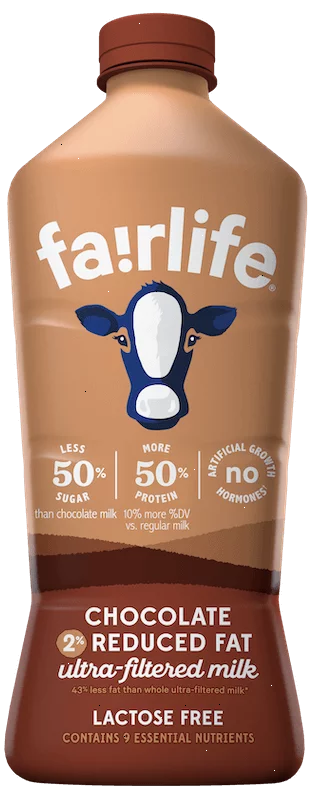
For example, the CHOCOLATE ULTRA-FILTERED MILK provides a delicious, protein-packed treat that is lower in sugar than traditional chocolate milk, making it a great post-workout option for those who can tolerate milk proteins.
Ultra-Filtered Milk and A2 Protein: What the Research Says
Some studies indicate that A1 beta-casein may be associated with increased gastrointestinal inflammation and discomfort in sensitive individuals. However, the evidence is not conclusive, and many people with no known dairy sensitivity consume A1-containing milk without issue. Because ultra-filtered milk is not guaranteed to be A2, those with a known sensitivity to A1 protein may still experience bloating or discomfort—though the reduced lactose content can help offset some symptoms.
If you suspect you have an issue with A1 protein, you can try a small amount of ultra-filtered milk and monitor your reaction. Alternatively, consider trying an A2-labeled milk, which is specifically produced from cows that produce only A2 beta-casein.
Safety Tips for Trying Ultra-Filtered Milk
If you have lactose intolerance or mild dairy sensitivity and want to try ultra-filtered milk, follow these steps:
- Start small: Drink just a few ounces and wait 2-3 hours to see how your body reacts.
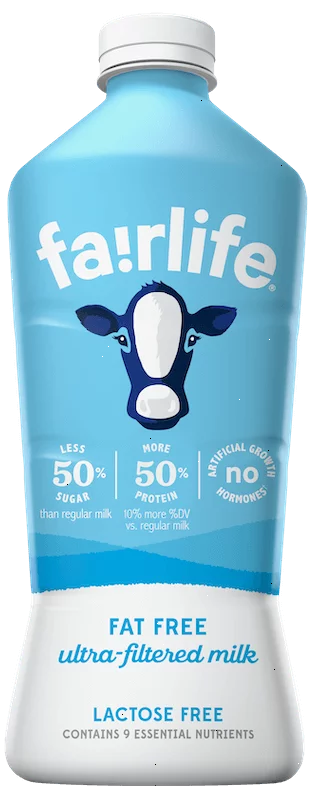
- Choose the right product: The FAT FREE ULTRA-FILTERED MILK has even less lactose than the whole version, making it a good starting point.
- Pair with food: Consuming ultra-filtered milk with a meal can slow digestion and reduce symptoms.
- Consult your doctor: If you have a diagnosed dairy allergy or severe intolerance, always speak with a healthcare professional before trying any new dairy product.
Conclusion: Is Fairlife Ultra-Filtered Milk Safe for You?
In summary, ultra-filtered milk from Fairlife is safe for most people with lactose intolerance but not safe for those with a true milk protein allergy. Its low lactose content makes it a viable option for many who struggle with regular milk, but it still contains the allergenic proteins casein and whey. If you have a dairy allergy, stick to plant-based alternatives. If you have lactose intolerance, ultra-filtered milk may be a game-changer—just start with a small amount to test your tolerance.
Ready to try a protein-packed dairy option that’s gentle on your stomach? Explore the WHOLE ULTRA-FILTERED MILK today and experience the difference that ultrafiltration makes. With 13 grams of protein per cup and less than 1 gram of lactose, it’s the perfect choice for a healthier, happier dairy experience.