Is Ultra-Filtered Milk the Key to Better Bone Health? A Nutritional Deep Dive
By Fairlifesale | Published: 2026-06-03
Category: Industry News
Explore how ultra-filtered milk may boost bone health through higher calcium and protein content. Compare fairlife options and learn the science behind dairy density.
When we think about bone health, calcium often steals the spotlight. But building and maintaining strong bones is a complex process that involves protein, phosphorus, vitamin D, and even magnesium. For decades, dairy milk has been a go-to source for bone-building nutrients. However, not all milk is created equal. Enter ultra-filtered milk, a modern innovation that concentrates protein and calcium while reducing sugar. In this article, we take a nutritional deep dive to answer: Is ultra-filtered milk truly the key to better bone health, and how does it stack up against traditional options?
Understanding Bone Health: More Than Just Calcium
Bones are living tissues that undergo constant remodeling. Osteoblasts build new bone, while osteoclasts break down old bone. To keep this balance in check, your body requires a steady supply of several nutrients:
- Calcium — the primary mineral that gives bones their hardness.
- Protein — provides the collagen matrix that gives bones flexibility and strength.
- Phosphorus — works alongside calcium to form hydroxyapatite crystals.
- Vitamin D — enhances calcium absorption from the gut.
- Magnesium and Vitamin K — support bone mineralization and protein synthesis.
Traditional milk naturally contains most of these, but the amounts can vary. Ultra-filtered milk, through a specialized filtration process, retains more protein and calcium per serving, making it a potentially superior choice for those focused on bone density.
What Makes Ultra-Filtered Milk Different?
The ultra-filtration process passes milk through fine membranes that separate water, lactose, and some minerals while concentrating the larger protein and calcium molecules. This results in a milk that is:
- Higher in protein — often 13 grams per cup versus 8 grams in regular milk.
- Higher in calcium — up to 30% more per serving.
- Lower in sugar — most of the lactose is filtered out.
- Creamier texture without added thickeners.
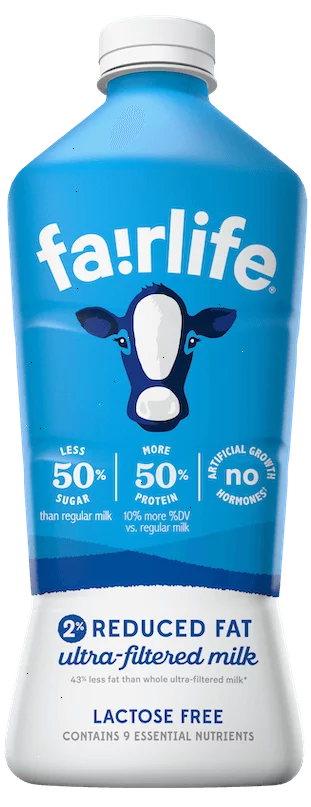
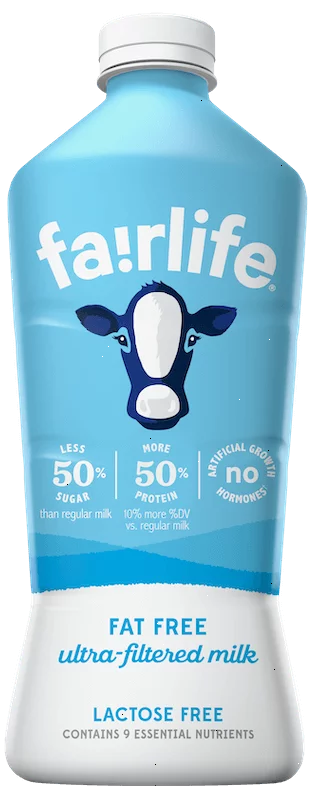
Fairlife, a pioneer in this category, offers a full line of ultra-filtered products. For example, FAT FREE ULTRA-FILTERED MILK provides the same high protein and calcium as its reduced-fat counterparts but with zero fat, making it a lean option for bone support. Meanwhile, the 2% REDUCED FAT 14oz ultra-filtered milk provides a balanced choice for those who want a bit of creaminess without excess calories.
Calcium Absorption: Why Ultra-Filtered Milk May Win
Calcium absorption depends on several factors, including the presence of lactose (which can enhance absorption) and the calcium-to-phosphorus ratio. Ultra-filtered milk typically has a favorable ratio, and because it contains less lactose, it may be easier on the digestive system for lactose-intolerant individuals. A 2019 study in the Journal of Dairy Science found that the calcium in ultra-filtered milk has a bioavailability similar to that of regular milk, meaning your body can use it effectively. Combined with its higher protein content, which supports the collagen matrix, ultra-filtered milk offers a dual action for bone health: more building blocks and better absorption.
Protein's Role in Bone Density
You might not think of protein as a bone nutrient, but it is crucial. Bones are about 50% protein by volume. A high-protein diet can increase calcium absorption and reduce bone loss, especially in older adults. The World Health Organization recommends 0.8 grams of protein per kilogram of body weight, but many experts suggest higher intakes for bone health. Each serving of ultra-filtered milk delivers 13 grams of complete protein — nearly double that of regular milk. For someone weighing 70 kg (154 lbs), that's roughly 20% of their daily protein needs in one glass.
Comparing Ultra-Filtered Milk to Traditional Dairy
| Nutrient (per 1 cup) | Regular Whole Milk | Ultra-Filtered 2% Milk |
|---|---|---|
| Calories | 149 | 120 |
| Protein | 8g | 13g |
| Calcium | 276 mg | 380 mg |
| Sugar (lactose) | 12g | 6g |
| Vitamin D (added) | 2.5 mcg | 2.5 mcg |
As the table shows, ultra-filtered milk offers significantly more calcium and protein with fewer calories and less sugar. This makes it an efficient choice for bone health without the extra sugar load.
Who Benefits Most from Ultra-Filtered Milk for Bone Health?
Aging Adults
As we age, bone density naturally declines. Osteoporosis affects millions worldwide. The higher calcium and protein in ultra-filtered milk can help slow bone loss. Additionally, older adults often have reduced appetite; a nutrient-dense drink like this provides maximum benefit in a small volume.
Athletes and Active Individuals
High-impact sports put stress on bones, but they also stimulate bone growth. Adequate calcium and protein are essential for recovery. The CORE POWERC HOCOLATE shake, for instance, combines ultra-filtered milk's benefits with added vitamins for post-workout replenishment.
Lactose-Intolerant Individuals
Many people cannot digest lactose, which can lead to calcium deficiency if they avoid dairy. Ultra-filtered milk removes most of the lactose, making it a gentler option while still delivering bone-friendly nutrients.
Teens and Young Adults
Peak bone mass is achieved around age 30. Teens who drink ultra-filtered milk may build a stronger skeletal foundation for later in life. The added protein also supports muscle growth during these active years.
Practical Tips for Incorporating Ultra-Filtered Milk into Your Bone-Healthy Diet
- Use it as a base for smoothies — blend with spinach, banana, and a handful of almonds for a calcium and magnesium boost.
- Drink it post-meal — vitamin D from sunlight or fortified foods helps absorb the calcium. Pairing with a vitamin D supplement can optimize benefits.
- Replace regular milk in recipes — use ultra-filtered milk in oatmeal, soups, or baking for a protein and calcium upgrade.
- Snack on it — a glass of ultra-filtered milk with a handful of calcium-rich almonds or fortified cereal makes a quick bone-supporting snack.
Potential Drawbacks and Considerations
While ultra-filtered milk is nutrient-dense, it is not a magic bullet. Bone health also requires weight-bearing exercise, adequate vitamin D (from sun or supplements), and avoiding smoking or excessive alcohol. Some ultra-filtered products are fortified with additional vitamins; always check the label if you have specific dietary needs. Also, because the filtration process removes some water-soluble vitamins like B12, some brands add them back. Fairlife's products are typically fortified with vitamin A and D, ensuring a well-rounded profile.
Conclusion: Is Ultra-Filtered Milk the Key?
While no single food can guarantee perfect bone health, ultra-filtered milk offers a compelling package: higher calcium, higher protein, lower sugar, and easier digestibility. For individuals at risk of osteoporosis, athletes, or anyone looking to maximize nutrient intake per calorie, it is certainly a strong candidate. The combination of enhanced calcium and protein provides the raw materials bones need to stay strong throughout life.
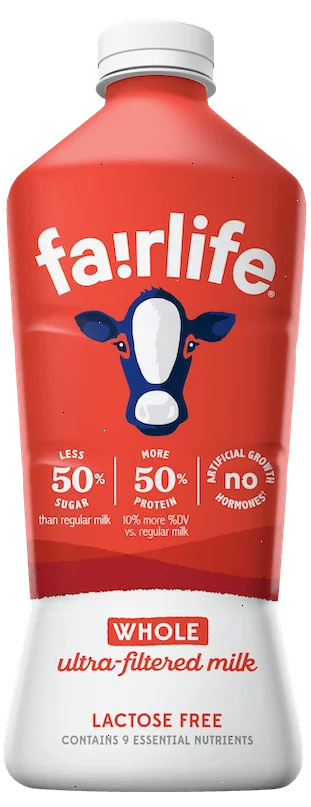
Ready to give your bones the support they deserve? Explore the full range of ultra-filtered options at Fairlifesale, and consider starting with a classic, such as the WHOLE ULTRA-FILTERED MILK, for a creamy, nutrient-packed addition to your daily routine.