Is Ultra-Filtered Milk Worth the Price? A Cost vs. Benefit Analysis
By Fairlifesale | Published: 2026-05-23
Category: Industry News
Weigh the cost of ultra-filtered milk against its benefits: higher protein, less sugar, longer shelf life. Is fairlife milk worth the premium? Read our detailed analysis.
You've probably seen it in the dairy aisle: sleek white bottles (and sometimes cartons) bearing the Fairlife logo, priced anywhere from 30% to 100% higher than standard milk. The question many budget-conscious shoppers ask is straightforward: is ultra-filtered milk worth it? This isn't a simple yes-or-no answer. It depends on your nutritional goals, your budget, and how you value factors like protein content, lactose tolerance, and shelf stability. In this cost vs. benefit analysis, we'll break down every angle — from price per gallon to grams of protein per dollar — so you can decide whether making the switch (or keeping it) makes sense for your household.
What Exactly Is Ultra-Filtered Milk?
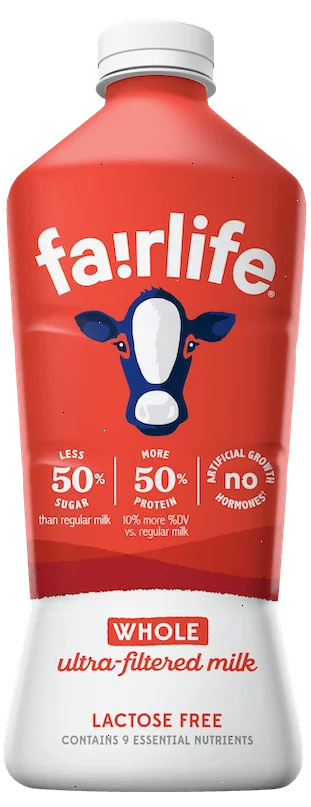
Before diving into the numbers, it's important to understand what makes ultra-filtered milk different. Fairlife's process uses a specialized filtration technique that separates milk into its components: water, protein, fat, vitamins, and minerals. The components are then recombined in precise proportions. The result is a milk that naturally contains about 50% more protein, 50% less sugar, and significantly more calcium than regular milk. Because the lactose (a sugar) is largely removed during filtration, it's also naturally lactose-free — a huge benefit for the estimated 68% of the world's population that has some degree of lactose malabsorption.
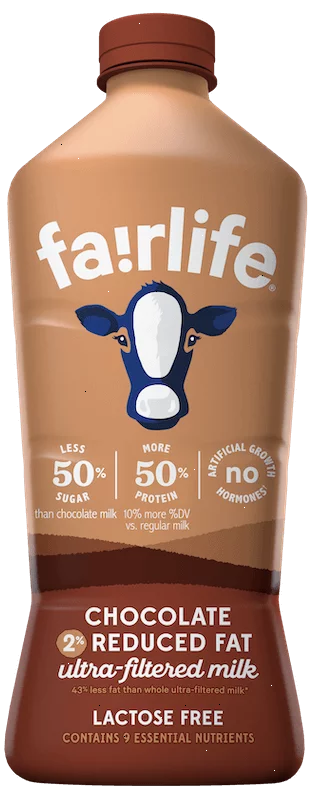
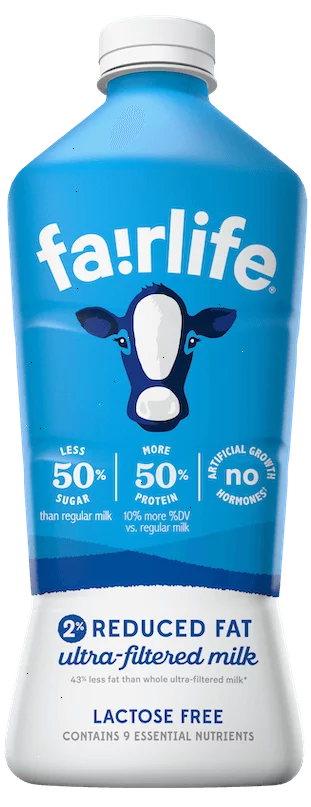
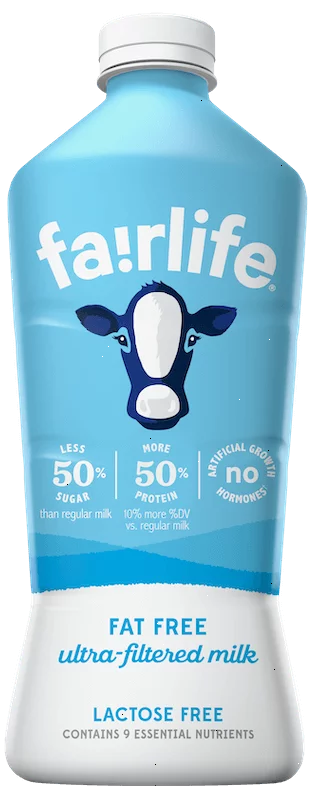
Fairlife offers several product lines: the core ultra-filtered milks (including 2% Reduced Fat Ultra-Filtered Milk and Fat Free Ultra-Filtered Milk), the Core Power and Core Power Elite protein shakes, and specialized options like the Chocolate Nutrition Plan. Each targets a different need — from everyday drinking to post-workout recovery. But all share the same filtration foundation.
Breaking Down the Cost: How Much More Are You Paying?
Let's start with the most obvious question: what is the price difference between fairlife milk and regular milk? A typical gallon of store-brand whole milk in the U.S. costs around $3.50 to $4.00. A half-gallon of Fairlife ultra-filtered milk (the standard size sold) typically retails for $4.50 to $5.50. That means per gallon, you're looking at $9 to $11 — roughly 2.5 to 3 times more expensive. For a family that goes through two gallons of milk per week, that could add up to an extra $600 to $800 a year.
But a straight price comparison ignores the nutritional density. If you're buying milk primarily for its protein, you need to look at cost per gram of protein. Here's a quick comparison:
| Product | Serving Size | Protein (g) | Cost per Serving | Cost per Gram of Protein |
|---|---|---|---|---|
| Regular 2% Milk (store brand) | 1 cup | 8 g | $0.25 | 3.1 cents |
| Fairlife 2% Reduced Fat Ultra-Filtered Milk | 1 cup | 13 g | $0.56 | 4.3 cents |
| Core Power Chocolate (14 oz bottle) | 1 bottle | 26 g | $2.50 | 9.6 cents |
| Whey Protein Powder (bulk) | 1 scoop | 25 g | $0.80 | 3.2 cents |
As you can see, fairlife ultra-filtered milk costs about 40% more per gram of protein than regular milk. That's a premium, but it's not astronomical — especially when you consider that the protein comes in a delicious, drinkable form with no mixing or cleanup required. For those who struggle to get enough protein, that convenience can be worth the extra cost.
The Benefits That Make the Price Tag More Palatable
1. Superior Nutritional Profile
The biggest selling point for ultra-filtered milk is its macronutrient ratio. With 13 grams of protein per cup (vs. 8 in regular milk) and only 6 grams of sugar (vs. 12), it's a game-changer for anyone watching their sugar intake or trying to build muscle. For example, a single cup of 2% Reduced Fat Ultra-Filtered Milk provides the same protein as a small chicken breast, but with far fewer calories. This makes it an excellent choice for:
- Post-workout recovery: The rapid absorption of milk protein (casein and whey) helps repair muscle tissue.
- Low-carb or keto diets: The reduced sugar content fits well within daily carb limits.
- Pregnancy and breastfeeding: Increased protein needs can be met without excessive calories.
2. Lactose-Free Naturally
Lactose intolerance affects millions of people, and the symptoms — bloating, gas, diarrhea — can be debilitating. Many lactose-free milks on the market are simply regular milk with added lactase enzyme, which can still cause issues for some. Fairlife's ultra-filtered process removes most of the lactose during filtration, resulting in a product that is 99% lactose-free. For the estimated 30 to 50 million Americans with lactose intolerance, this alone can justify the higher price. No more stomach discomfort, no more avoiding dairy altogether. You get all the taste and nutrition of milk without the digestive distress.
3. Longer Shelf Life
Ultra-filtered milk is pasteurized at higher temperatures than regular milk, giving it a shelf life of 30 to 60 days (unopened) — roughly double that of conventional milk. This is a huge benefit for households that don't go through milk quickly, or for those who like to stock up. Less frequent trips to the store mean fewer impulse buys and less food waste. When you factor in the cost of spoiled milk (which is a real expense), the longer shelf life narrows the price gap considerably.
4. Better Taste and Texture
Many consumers report that ultra-filtered milk tastes creamier and richer than regular milk, even the fat-free versions. This is because the protein and fat are more evenly distributed. It also doesn't have the watery, thin texture that some low-fat milks have. For coffee lovers, the higher protein content creates a smoother, less acidic brew — a fact we explored in our article on using ultra-filtered milk in morning coffee. The improved taste can make the switch feel less like a sacrifice and more like an upgrade.
When Does It NOT Make Sense?
Of course, ultra-filtered milk isn't for everyone. Here are the scenarios where the extra cost is hard to justify:
- You're on a tight budget: If milk is a staple in your household and you're feeding multiple kids, the cost difference can be significant. A family of four might spend an extra $50 to $80 per month on milk alone.
- You don't need the protein boost: If you already get plenty of protein from other sources (meat, eggs, legumes), the added protein in ultra-filtered milk may not provide enough marginal benefit to warrant the premium.
- You drink milk only occasionally: If milk is just an ingredient in your cooking or an occasional treat, the longer shelf life and nutritional benefits won't matter much. Stick with regular milk.
- You prefer plant-based milks: For vegans or those avoiding all animal products, ultra-filtered milk (which is still dairy) isn't an option. However, if you're simply lactose-intolerant and have tried almond or oat milk but missed the taste of real milk, fairlife is a compelling alternative.
Comparing the Value: Fairlife Milk vs. Other Protein Sources
Let's put the cost into perspective by comparing fairlife milk to other common protein sources. We'll use the 2% Reduced Fat Ultra-Filtered Milk as our benchmark (13g protein per cup, $0.56 per cup).
| Protein Source | Protein (g) | Cost | Cost per Gram of Protein |
|---|---|---|---|
| Fairlife 2% Ultra-Filtered Milk (1 cup) | 13 g | $0.56 | 4.3 cents |
| Chicken breast (4 oz cooked) | 35 g | $1.50 | 4.3 cents |
| Greek yogurt (1 cup nonfat) | 22 g | $1.00 | 4.5 cents |
| Eggs (2 large) | 12 g | $0.50 | 4.2 cents |
| Whey protein powder (1 scoop) | 25 g | $0.80 | 3.2 cents |
Interestingly, the cost per gram of protein for fairlife milk is nearly identical to that of chicken breast and Greek yogurt. That means if you're already buying those foods, switching to ultra-filtered milk won't break your protein budget. The real savings come from convenience — you can drink your protein without cooking or cleaning up a blender.
Is Ultra-Filtered Milk Worth It for Athletes?
For active individuals, the value proposition shifts further. If you're serious about muscle recovery and growth, the Core Power and Core Power Elite lines offer concentrated protein in a portable bottle. A 14-ounce bottle of Core Power Chocolate contains 26g of protein — the same as a scoop of most protein powders — and costs about $2.50. Compare that to a protein shake you'd buy at a smoothie bar for $6 to $8, and the value becomes clear. Plus, it tastes like chocolate milk, which makes post-workout nutrition feel like a treat rather than a chore.
For endurance athletes or those who need extra calories, the Core Power Elite line offers 42g of protein per bottle. While the cost per gram of protein is higher (about 7 cents/g), the convenience of a ready-to-drink shake with added electrolytes and vitamins can be worth it, especially after a long run or intense gym session when you need quick, easy nutrition.
The Verdict: Is It Worth the Price?
After weighing all the factors, here's our conclusion: ultra-filtered milk is worth the price for people who value its specific benefits. If you fall into one or more of these categories, the extra cost is justified:
- You're lactose intolerant but miss real milk
- You're trying to increase your protein intake without adding sugar
- You want a longer-lasting milk to reduce food waste
- You appreciate better taste and texture in your coffee, cereal, or smoothies
- You're an athlete who wants convenient, high-quality post-workout nutrition
On the other hand, if you're on a tight budget, don't need extra protein, or can tolerate lactose just fine, regular milk remains an excellent, affordable choice. The key is to match the product to your needs. Fairlife's ultra-filtered milk isn't a luxury for the sake of being luxury — it's a functional food that delivers tangible benefits for those who need them.
Smart Ways to Make Fairlife Fit Your Budget
If you're convinced of the benefits but worried about the cost, here are a few tips to make it more affordable:
- Buy in bulk: Look for sales or multi-pack deals at warehouse clubs like Costco or Sam's Club. A 3-pack of 52-ounce bottles can bring the per-ounce cost down by 15-20%.
- Use it strategically: Don't replace all your milk with ultra-filtered. Use it for recipes where the protein boost matters most — like smoothies, post-workout shakes, or coffee — and use regular milk for cooking or baking.
- Combine with coupons: Fairlife often offers digital coupons on platforms like Ibotta or the manufacturer's website. A $1 off coupon can dramatically reduce the price gap.
- Choose the right product: The standard ultra-filtered milk is more cost-effective per gram of protein than the Core Power shakes. Reserve shakes for times when you need portability and convenience.
Final Thoughts
The debate over whether ultra-filtered milk is worth the price ultimately comes down to your personal priorities. If you view milk simply as a beverage, the cost difference is hard to swallow. But if you see it as a functional food — a source of high-quality protein, a lactose-free alternative, and a product with superior taste and shelf life — then the premium begins to make sense. As with any food purchase, the best value is the one that aligns with your health goals and budget.
Ready to experience the difference for yourself? Explore the full range of fairlife products, including the 2% Reduced Fat Ultra-Filtered Milk, to see how this innovative milk fits into your daily routine. Your taste buds — and your muscles — will thank you.