The Science Behind Ultra-Filtered Milk: What Makes It Different?
By Fairlifesale | Published: 2026-05-23
Category: Industry News
Discover how ultra-filtered milk is made, its unique filtration process, higher protein content, and why it's a game-changer for lactose-sensitive consumers.
Milk has been a dietary staple for centuries, but recent innovations in dairy technology have revolutionized how we think about this familiar beverage. Enter ultra-filtered milk—a product that has gained significant traction among health-conscious consumers, athletes, and families alike. Unlike traditional milk, ultra-filtered milk undergoes a sophisticated filtration process that concentrates protein, reduces lactose, and enhances nutritional value. In this article, we'll dive deep into the science behind ultra-filtered milk, exploring its unique properties, benefits, and how it compares to conventional milk. Whether you're a fitness enthusiast seeking high-protein options or someone managing lactose intolerance, understanding this dairy technology will help you make informed choices.
What Is Ultra-Filtered Milk?
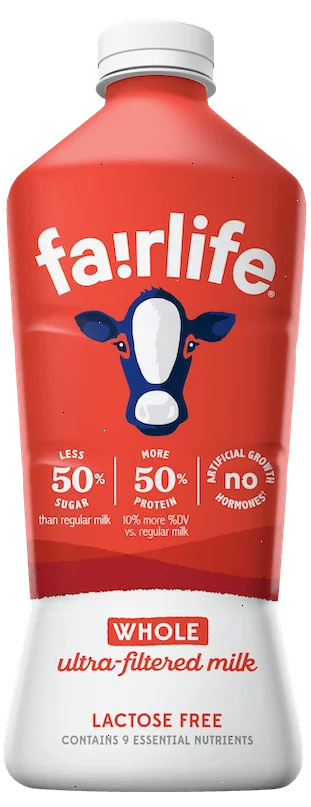
Ultra-filtered milk is a type of milk that has been processed using a specialized membrane filtration technique. This method separates milk into its core components—water, fat, protein, and lactose—allowing for precise adjustments. The result is a milk that is naturally higher in protein, lower in sugar, and often lactose-free or low in lactose. Unlike traditional methods that rely on heat treatment or additives, ultra-filtration preserves the natural taste and nutritional integrity of milk while enhancing its functional benefits.
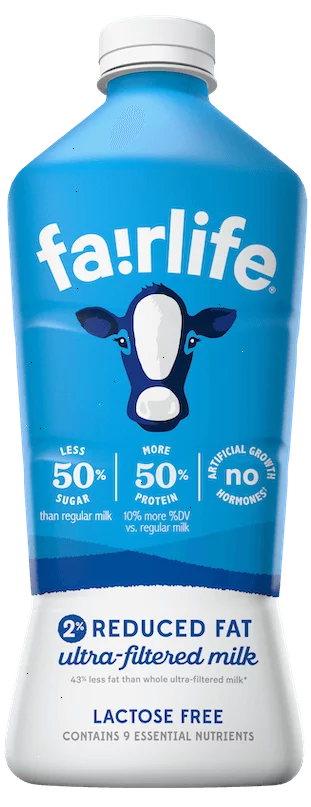
One of the most popular varieties on the market is 2% Reduced Fat Ultra-Filtered Milk, which offers a creamy texture with twice the protein of regular milk. This product exemplifies how ultra-filtration can transform a common dairy product into a nutrient-dense powerhouse.
The Science of the Milk Filtration Process
The core of ultra-filtered milk's innovation lies in its filtration process. Traditional milk processing involves pasteurization and homogenization to kill bacteria and prevent cream separation. Ultra-filtration, however, adds an extra step using semi-permeable membranes. Here's how it works:
- Microfiltration: Milk is passed through membranes that remove bacteria and spores, extending shelf life without high-temperature pasteurization.
- Ultrafiltration: The milk is then forced through membranes with smaller pores that retain larger molecules like proteins and fats while allowing water, lactose, and some minerals to pass through. This concentrates the protein and reduces the lactose content.
- Diafiltration: Water is added back to the retained concentrate to achieve the desired protein-to-water ratio, creating a smooth, drinkable milk.
This process results in milk that typically contains 50% more protein and about 30% less sugar than conventional milk. For example, 2% REDUCED FAT 14oz ultra-filtered milk provides 13 grams of protein per serving—a substantial boost compared to the 8 grams found in standard 2% milk.
Key Differences Between Ultra-Filtered and Regular Milk
While ultra-filtered milk looks and tastes similar to regular milk, there are several notable differences:
| Property | Ultra-Filtered Milk | Regular Milk |
|---|---|---|
| Protein content | 13–26 grams per cup | 8 grams per cup |
| Lactose content | 0–2 grams per cup | 12 grams per cup |
| Calcium | Similar (30% DV) | Similar (30% DV) |
| Shelf life | Extended (45–60 days) | 14–21 days |
| Processing | Cold filtration (no heat) | Pasteurization (heat) |
The reduced lactose content makes ultra-filtered milk an excellent choice for individuals with lactose sensitivity. Unlike traditional lactose-free milk, which is treated with lactase enzyme to break down lactose, ultra-filtered milk physically removes lactose during filtration, resulting in a naturally sweeter taste without added sugars.
High Protein Milk: A Game-Changer for Fitness Enthusiasts
One of the most compelling advantages of ultra-filtered milk is its high protein content. Protein is essential for muscle repair, satiety, and overall health. For athletes and active individuals, consuming adequate protein post-workout is critical. Ultra-filtered milk provides a convenient, naturally occurring protein source that rivals many protein shakes.
For those seeking even more protein, options like CORE POWER ELITE VANILLA deliver 26 grams of protein per 14-ounce bottle—equivalent to a scoop of whey protein. This product is a favorite among bodybuilders and cross-trainers for its clean ingredient list and smooth taste.
Lactose-Free Milk: A Natural Solution for Digestive Health
Lactose intolerance affects approximately 65% of the global population, causing discomfort after consuming dairy. Traditional lactose-free milk addresses this by adding lactase, but ultra-filtered milk offers a more natural approach. By physically removing lactose during filtration, the milk retains its natural sweetness while being gentle on the stomach.
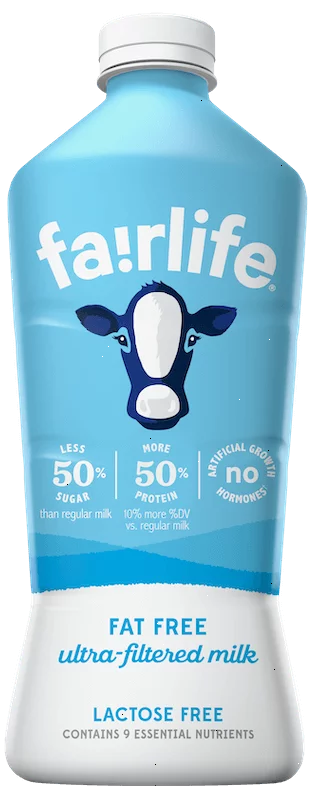
Brands like Fairlife have capitalized on this technology, producing milk that is 99% lactose-free. The FAT FREE ULTRA-FILTERED MILK is an excellent option for those watching their calorie intake, providing 80 calories and 13 grams of protein per cup without the digestive issues associated with regular skim milk.
Dairy Technology: How Ultra-Filtration Improves Sustainability
Beyond nutritional benefits, ultra-filtration also contributes to environmental sustainability. The process uses less energy than traditional milk production because it reduces the need for refrigeration during transport (due to extended shelf life) and minimizes waste by allowing producers to use more milk components. Additionally, because ultra-filtered milk has a longer shelf life, consumers waste less milk at home—a significant factor given that dairy is one of the most wasted food items.
This technology aligns with broader trends in dairy technology that prioritize efficiency and reduced environmental impact. As consumers become more eco-conscious, products like ultra-filtered milk offer a win-win: better nutrition and a smaller carbon footprint.
How to Incorporate Ultra-Filtered Milk Into Your Diet
Ultra-filtered milk is incredibly versatile and can be used in place of regular milk in most applications:
- Drinking: Enjoy it cold as a refreshing, high-protein beverage.
- Coffee and tea: Its creaminess enhances lattes and cappuccinos without curdling.
- Smoothies: Blend with fruits and spinach for a nutrient-packed breakfast.
- Cooking and baking: Use in soups, sauces, and baked goods for extra protein.
- Post-workout recovery: Drink a bottle of core power for quick muscle repair.
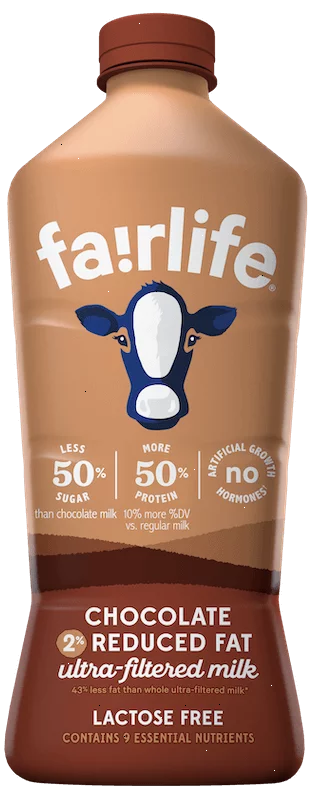
For chocolate lovers, CHOCOLATE 14oz ultra-filtered milk offers a decadent treat with 13 grams of protein per serving—a healthier alternative to sugary chocolate milk.
Comparing Ultra-Filtered Milk to Plant-Based Milks
With the rise of plant-based alternatives, many consumers wonder how ultra-filtered milk stacks up. Here's a quick comparison:
- Protein: Ultra-filtered milk contains 13–26 grams per cup, while almond milk has 1 gram, oat milk has 3 grams, and soy milk has 7 grams.
- Calcium: Both are often fortified, but ultra-filtered milk naturally contains calcium.
- Sugar: Unsweetened plant milks have 0–1 grams of sugar; ultra-filtered milk has 6–13 grams (lower than regular milk's 12 grams).
- Taste: Ultra-filtered milk has a creamy, dairy-rich flavor that many find superior to plant-based options.
For those who are not vegan or lactose-intolerant, ultra-filtered milk provides a nutritionally superior alternative to plant-based milks, especially for protein needs.
Potential Drawbacks and Considerations
While ultra-filtered milk offers many benefits, there are a few considerations:
- Cost: It is typically more expensive than regular milk due to the specialized processing.
- Taste: Some people notice a slightly sweeter taste due to reduced lactose, though most find it pleasant.
- Availability: It may not be as widely available in all grocery stores, but online retailers like Fairlifesale offer convenient shipping.
For those with severe milk allergies or vegan diets, ultra-filtered milk is not suitable. However, for the majority of consumers, the benefits far outweigh these minor issues.
Final Thoughts: Why Ultra-Filtered Milk Is Worth Trying
Ultra-filtered milk represents a significant advancement in dairy technology, offering higher protein, lower lactose, and a longer shelf life without sacrificing taste. Whether you're an athlete looking to maximize recovery, a parent seeking nutritious options for your family, or someone managing digestive sensitivity, this milk is a versatile and delicious choice. The science behind it is robust, and its real-world benefits are clear.
Ready to experience the difference for yourself? Explore our selection at Fairlifesale, starting with the CORE POWER ELITE CHOCOLATE—a protein-packed chocolate treat that supports your active lifestyle. Your body will thank you!