The Role of Ultra-Filtered Milk in Senior Nutrition: Protein for Aging Muscles and Bones
By Fairlifesale | Published: 2026-05-31
Category: Industry News
Discover how ultra-filtered milk supports senior health by combating muscle loss and strengthening bones. Learn about Fairlife’s high-protein options for aging well.
As we age, maintaining muscle mass and bone density becomes increasingly challenging. Sarcopenia—the gradual loss of muscle strength and mass—affects up to 30% of adults over 60, while osteoporosis weakens bones, raising the risk of fractures. Nutrition plays a pivotal role in slowing these processes, and protein intake is at the center of the conversation. For seniors, ultra-filtered milk offers a convenient, nutrient-dense solution that delivers high-quality protein with less sugar and more calcium than conventional dairy. In this article, we explore how ultra-filtered milk for seniors can support aging muscles and bones, with practical tips for incorporating it into daily diets.
Why Protein Matters More as We Age
Protein is the building block of muscle tissue, but older adults often require more protein per kilogram of body weight than younger individuals. The recommended dietary allowance (RDA) for protein is 0.8 grams per kilogram, but many experts suggest 1.2 to 1.5 grams per kilogram for seniors to counteract age-related muscle loss. Unfortunately, many older adults fall short due to factors like reduced appetite, dental issues, or difficulty preparing protein-rich meals. This is where ultra-filtered milk’s high protein content makes a difference.
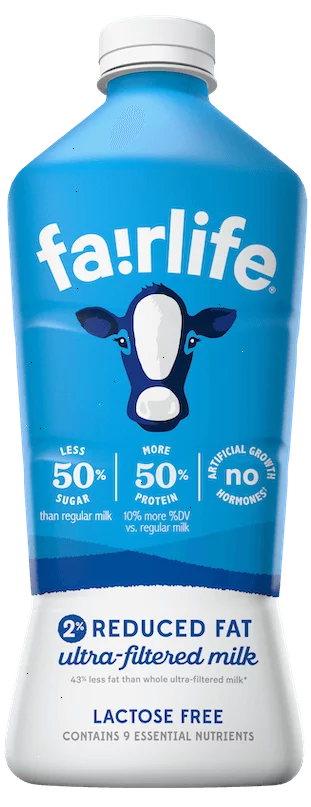
Ultra-filtered milk undergoes a filtration process that concentrates protein and removes much of the lactose, resulting in a product that packs roughly twice the protein of regular milk. For example, an 8-ounce glass of 2% REDUCED FAT 14oz ultra-filtered milk provides 13 grams of protein—compared to just 8 grams in standard 2% milk. This makes it an efficient way for seniors to meet their protein needs without consuming excessive calories or fluids.
Bone Health: Calcium and Vitamin D in Ultra-Filtered Milk
Strong bones depend on adequate calcium and vitamin D intake, both of which decline in absorption as we age. Osteoporosis affects millions of seniors, particularly postmenopausal women, and can lead to debilitating fractures. Ultra-filtered milk is naturally rich in calcium—about 30% more per serving than regular milk—and is often fortified with vitamin D. This combination supports bone mineralization and reduces the risk of bone loss.
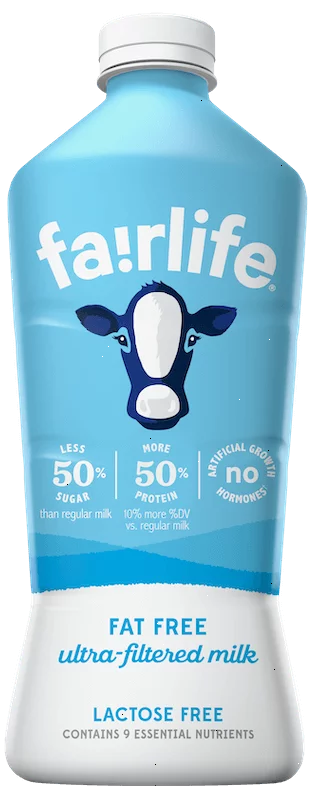
Unlike some plant-based alternatives, ultra-filtered milk provides calcium in a bioavailable form that the body absorbs easily. Seniors who dislike pills or struggle with supplements can benefit from drinking a glass of CORE POWERC HOCOLATE—a delicious, protein-packed shake that also delivers bone-supporting nutrients. For those who prefer plain milk, FAT FREE ULTRA-FILTERED MILK offers a zero-fat option with all the calcium and protein intact.
Practical Ways Seniors Can Use Ultra-Filtered Milk Daily
Incorporating ultra-filtered milk into a senior’s routine doesn’t require elaborate recipes. Here are simple, effective ideas:
- Morning oatmeal or cereal: Replace water or regular milk with ultra-filtered milk to boost protein at breakfast.
- Smoothies: Blend ultra-filtered milk with berries, banana, and a handful of spinach for a nutrient-dense snack.
- Coffee or tea: Use ultra-filtered milk as a creamer—adds creaminess and protein without excessive sugar.
- Soups and sauces: Thicken soups with ultra-filtered milk instead of cream for a lower-fat, higher-protein base.
- On-the-go shakes: For seniors with reduced appetite, ready-to-drink options like CORE POWER ELITE CHOCOLATE provide 42 grams of protein per bottle—ideal for meal replacement or post-exercise recovery.
Comparing Ultra-Filtered Milk to Other Senior-Friendly Protein Sources
Seniors often turn to protein powders, yogurt, or eggs, but ultra-filtered milk offers unique advantages. Below is a comparison of key nutritional features:
| Protein Source | Protein (per 8 oz or equivalent) | Calcium (% Daily Value) | Lactose Content | Convenience |
|---|---|---|---|---|
| Ultra-filtered milk (2%) | 13 g | 30% | Low (50% less) | High (ready to drink) |
| Regular milk (2%) | 8 g | 20% | Full lactose | High |
| Greek yogurt (plain, nonfat) | 15 g (per 6 oz) | 15% | Low (fermented) | Moderate (requires spoon) |
| Protein powder (whey) | 25 g (per scoop) | Varies | Low to none | Moderate (requires mixing) |
| Eggs (2 large) | 12 g | 4% | None | Moderate (requires cooking) |
As the table shows, ultra-filtered milk strikes an excellent balance between protein density, calcium richness, and convenience—especially for seniors who may have difficulty cooking or digesting lactose.
Addressing Common Concerns: Lactose Intolerance and Kidney Health
Some seniors worry about lactose intolerance or kidney function when increasing protein intake. Ultra-filtered milk is naturally low in lactose due to the filtration process, making it easier on the digestive system than regular milk. For those with severe lactose intolerance, the STRAWBERRY FAT 14oz ultra-filtered milk offers a flavored, low-lactose option that many find palatable.
Regarding kidney health, seniors with chronic kidney disease (CKD) should consult a healthcare provider before increasing protein consumption. However, for most older adults without advanced CKD, the high-quality protein in ultra-filtered milk supports muscle maintenance without overloading the kidneys, especially when consumed as part of a balanced diet.
Expert Tips for Choosing the Right Ultra-Filtered Milk for Seniors
Not all ultra-filtered milk products are identical. Seniors should consider their specific health goals:
- For weight management: Choose fat-free or low-fat versions like FAT FREE ULTRA-FILTERED MILK to reduce calorie intake while retaining protein.
- For muscle building: Opt for higher-protein shakes like Core Power Elite series, which deliver 42 grams of protein per bottle—ideal for active seniors or those recovering from illness.
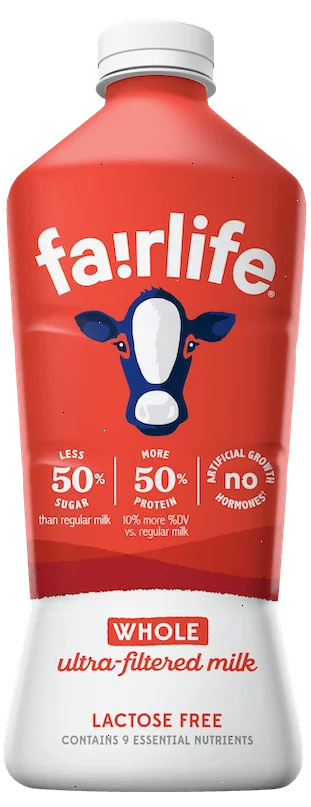
- For bone density: Stick with plain ultra-filtered milk fortified with vitamin D, such as WHOLE ULTRA-FILTERED MILK, which provides both calcium and healthy fats for absorption.
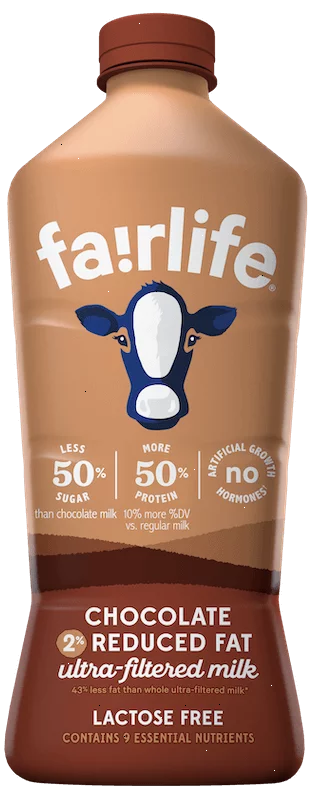
- For flavor variety: The chocolate and strawberry options can encourage seniors with low appetite to drink more protein.
Conclusion: Small Changes, Big Impact on Senior Health
Incorporating ultra-filtered milk into a senior’s daily diet is a simple, science-backed strategy for preserving muscle, strengthening bones, and improving overall nutritional status. With its high protein content, enhanced calcium, and reduced lactose, it addresses two of the biggest challenges of aging—sarcopenia and osteoporosis—in a delicious, easy-to-consume format. Whether sipped on its own, blended into smoothies, or used in cooking, ultra-filtered milk offers a practical path to better health for older adults.
Ready to give your senior nutrition a boost? Explore the full range of Fairlife ultra-filtered milk options at Fairlifesale, starting with the versatile and protein-rich 2% REDUCED FAT 14oz ultra-filtered milk—a perfect everyday choice for aging well.