Ultra-Filtered Milk on Keto and Low-Carb Diets: A Complete Nutritional Analysis
By Fairlifesale | Published: 2026-06-05
Category: Industry News
Discover how ultra-filtered milk fits into keto and low-carb diets. Explore its macro profile, carb content, protein benefits, and practical tips for staying in ketosis while enjoying dairy.
Navigating dairy choices on a keto or low-carb diet can feel like walking a tightrope. Traditional milk is packed with lactose — a natural sugar that can quickly eat up your daily carb allowance. But what if you could enjoy the creamy satisfaction of milk without derailing your macros? Enter ultra-filtered milk. This innovative dairy product has gained traction among health enthusiasts, athletes, and keto dieters alike. In this article, we’ll break down the nutritional profile of ultra-filtered milk, compare it to regular milk, and explain exactly how it can support your low-carb lifestyle.
What Is Ultra-Filtered Milk and How Is It Made?
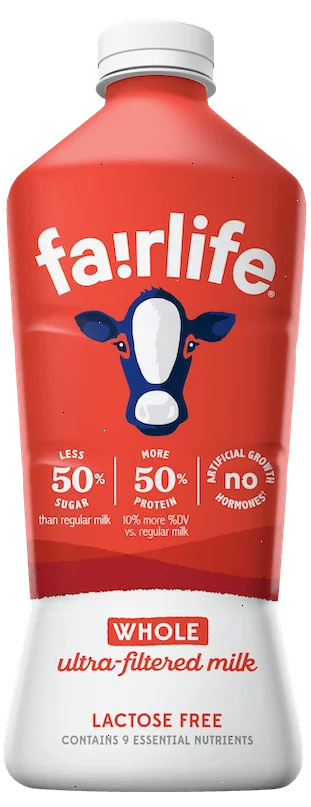
Ultra-filtered milk undergoes a specialized filtration process that concentrates protein and removes much of the lactose and water. The result is a milk that’s higher in protein, lower in sugar, and often thicker and creamier than standard milk. Unlike traditional milk, which contains about 12 grams of sugar per cup (mostly lactose), ultra-filtered milk typically has only 3–6 grams of sugar per serving. This makes it an excellent option for anyone following a ketogenic or low-carb diet.
Why Carbs Matter on Keto and Low-Carb Diets
On a standard ketogenic diet, you aim for 20–50 grams of net carbs per day. A single cup of regular whole milk (about 12 grams of carbs) can consume a significant portion of that budget. For those on a stricter low-carb plan (e.g., 30–50 grams daily), every gram counts. Replacing regular milk with a lower-carb alternative like ultra-filtered milk frees up carbs for vegetables, nuts, or other nutrient-dense foods.
Nutritional Breakdown: Ultra-Filtered Milk vs. Regular Milk
To help you see the difference at a glance, here’s a side-by-side comparison of one cup (8 oz) of each:
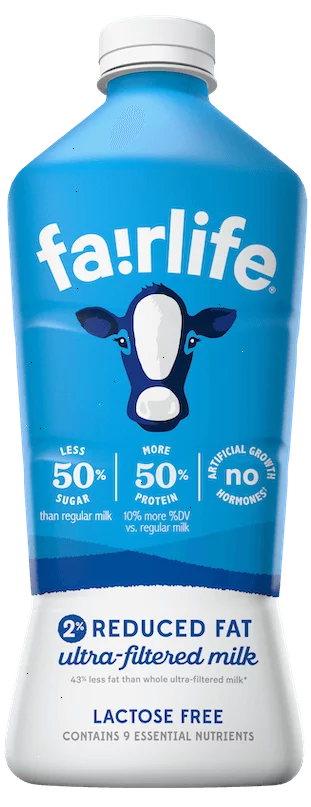
| Nutrient | Regular Whole Milk | Ultra-Filtered Milk (e.g., 2% Reduced Fat Ultra-Filtered Milk) |
|---|---|---|
| Calories | 150 | 120 |
| Protein | 8 g | 13 g |
| Fat | 8 g | 5 g |
| Total Carbs | 12 g | 6 g |
| Sugars (lactose) | 12 g | 3 g |
| Net Carbs | 12 g | 6 g |
As the table shows, ultra-filtered milk delivers 60% more protein and 50% fewer carbs than regular whole milk. This makes it a powerful tool for maintaining muscle mass while staying in ketosis.
Key Benefits of Ultra-Filtered Milk for Keto and Low-Carb Diets
1. Low Net Carbs Help Maintain Ketosis
With only 6 grams of net carbs per cup, ultra-filtered milk fits easily into a keto macro plan. You can use it in coffee, smoothies, or cooking without worrying about kicking yourself out of ketosis. For example, a splash in your morning coffee adds creaminess and protein without the sugar spike.
2. High Protein Supports Satiety and Muscle Preservation
Protein is a cornerstone of any low-carb diet. It helps you feel full longer, preserves lean muscle mass during weight loss, and supports metabolic health. Ultra-filtered milk provides 13 grams of protein per cup — comparable to many protein shakes. For an even higher-protein option, consider CORE POWER ELITE CHOCOLATE, which packs 42 grams of protein per bottle and is also low in carbs.
3. Lower Lactose Means Fewer Digestive Issues
Many people on keto experience digestive discomfort from dairy due to lactose intolerance. Ultra-filtered milk removes most of the lactose during processing, making it easier on the stomach. If you’ve had to avoid regular milk because of bloating or gas, ultra-filtered milk may be a tolerable alternative.
4. Rich in Calcium and Vitamin D
Dairy is one of the best sources of calcium, which is essential for bone health — especially important if you’re losing weight on a low-carb diet. Ultra-filtered milk retains its calcium content, and many brands fortify it with vitamin D. One cup provides about 30% of your daily calcium needs.
How to Incorporate Ultra-Filtered Milk into Your Low-Carb Lifestyle
In Your Morning Coffee or Tea
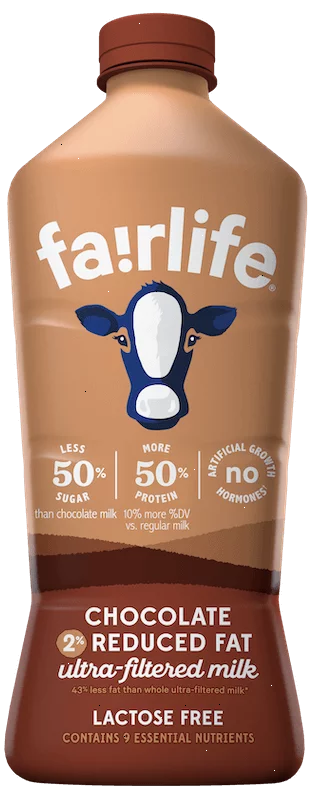
Replace cream or half-and-half with ultra-filtered milk for a lighter, protein-rich coffee. It froths well and adds a subtle sweetness without extra sugar. Try the CHOCOLATE 14oz ultra-filtered milk for a mocha-style treat — just watch the total carbs if you’re strict.
In Smoothies and Shakes
Blend ultra-filtered milk with leafy greens, a handful of berries, and ice for a quick keto breakfast. You can also use it as a base for fat bombs or protein shakes.
In Sauces and Soups
Ultra-filtered milk works beautifully in low-carb cream sauces, like Alfredo or cheese sauce. Its thickness mimics heavy cream but with fewer calories and carbs. Just simmer it gently to avoid curdling.
As a Post-Workout Recovery Drink
After a workout, your body needs protein to repair muscle. A glass of ultra-filtered milk (or a Core Power shake) provides fast-absorbing whey and casein proteins, making it an excellent post-exercise option.
Potential Drawbacks to Consider
While ultra-filtered milk is a fantastic option for most low-carb dieters, it’s not perfect for everyone. The filtration process removes some of the fat-soluble vitamins found in whole milk, so if you rely on dairy for vitamin A or K2, you may need to get those from other sources. Also, if you’re on a very strict keto diet (e.g., under 20 grams of carbs), even 6 grams per cup might be too much if you use it liberally. Always measure your portions.
Frequently Asked Questions
Can I drink ultra-filtered milk on a carnivore or zero-carb diet?
Strict carnivore diets typically exclude dairy or allow only full-fat, raw dairy. Ultra-filtered milk contains some carbs, so it may not fit a zero-carb approach. Use it sparingly if you’re trying to minimize all carbs.
Is ultra-filtered milk suitable for lactose intolerance?
Yes, most people with lactose intolerance can tolerate ultra-filtered milk because the lactose content is reduced by about 70–90%. However, it’s not completely lactose-free, so test it in small amounts first.
How does ultra-filtered milk compare to unsweetened almond milk for keto?
Unsweetened almond milk has only 1–2 grams of carbs per cup and is lower in calories, but it also has negligible protein (1 gram). Ultra-filtered milk offers much more protein and a creamier texture, making it a better choice if you need both protein and satisfaction.
Final Verdict: Is Ultra-Filtered Milk Keto-Friendly?
Absolutely. With roughly half the carbs of regular milk and significantly more protein, ultra-filtered milk is one of the smartest dairy choices for anyone on a keto or low-carb diet. It supports muscle maintenance, keeps you full, and adds versatility to your meals — from coffee to casseroles. Just be mindful of portion sizes, and choose plain, unflavored varieties to keep added sugars at bay.
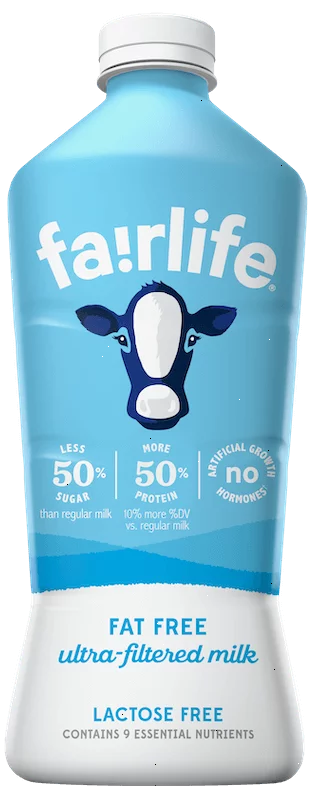
If you’re ready to upgrade your low-carb kitchen, start with a carton of FAT FREE ULTRA-FILTERED MILK — it’s a zero-fat, high-protein option that blends seamlessly into any recipe. Your macros will thank you.